

Favorites: Albums — 351 to 375
The question is not "Why?" but "Why not?"
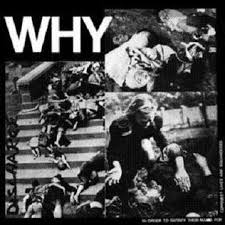
#351: Why? (1981)
Artist: Discharge
Clay Records
Whether in its original mini-album form or its more currently available full-length editions, Discharge's Why? is a completely uncompromising, deafening assault on the senses, For many, the original mini-album's release in 1981 marked the exact moment punk rock morphed into something terrifyingly heavy. Stripping away any traditional rock-and-roll pretense, Discharge delivered a furious, hyperspeed barrage of heavily distorted guitars and throat-shredding, anti-war vocals. At the absolute center of this storm was the relentless, punishing drum technique that literally gave birth to the entire "D-beat" subgenre. The sheer velocity and brutal simplicity of the record sent shockwaves across the global musical landscape, serving as a primary catalyst for the creation of crust punk, while simultaneously injecting its aggressive DNA directly into the veins of thrash and black metal. It is a bleak, politically charged, and indestructible milestone of extreme British audio that remains just as ferocious today as the moment it was pressed to vinyl.
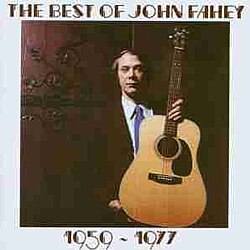
#352: The Best of John Fahey 1959-1977 (1977)
Artist: John Fahey
Takoma Records
An absolute masterclass in solitary, atmospheric musicianship, The Best of John Fahey 1959-1977 serves as the ultimate map to the mind of a true underground pioneer. Pulling a massive stylistic left turn from traditional rock, this compilation highlights the genius of the man who single-handedly birthed the "American Primitive" guitar movement. Fahey absorbed the deep, dusty roots of Delta blues and traditional folk, entirely removed the vocals, and merged the traditional picking patterns of classical guitar with the haunting, almost cinematic resonance of the steel-string acoustic. Furthermore, he operated with a fierce, independent spirit that mirrored the similar DIY ethos that Sun Ra was doing wth Saturn Records and paved the way the full-on DIY spirit of the punk movement, famously founding Takoma Records simply to release his own uncompromising vision. This collection proves that a single musician armed with nothing but a steel-string acoustic guitar can conjure a soundscape just as heavy, weird, and endlessly fascinating as a full band. It is a deeply mesmerizing tapestry of instrumental brilliance.
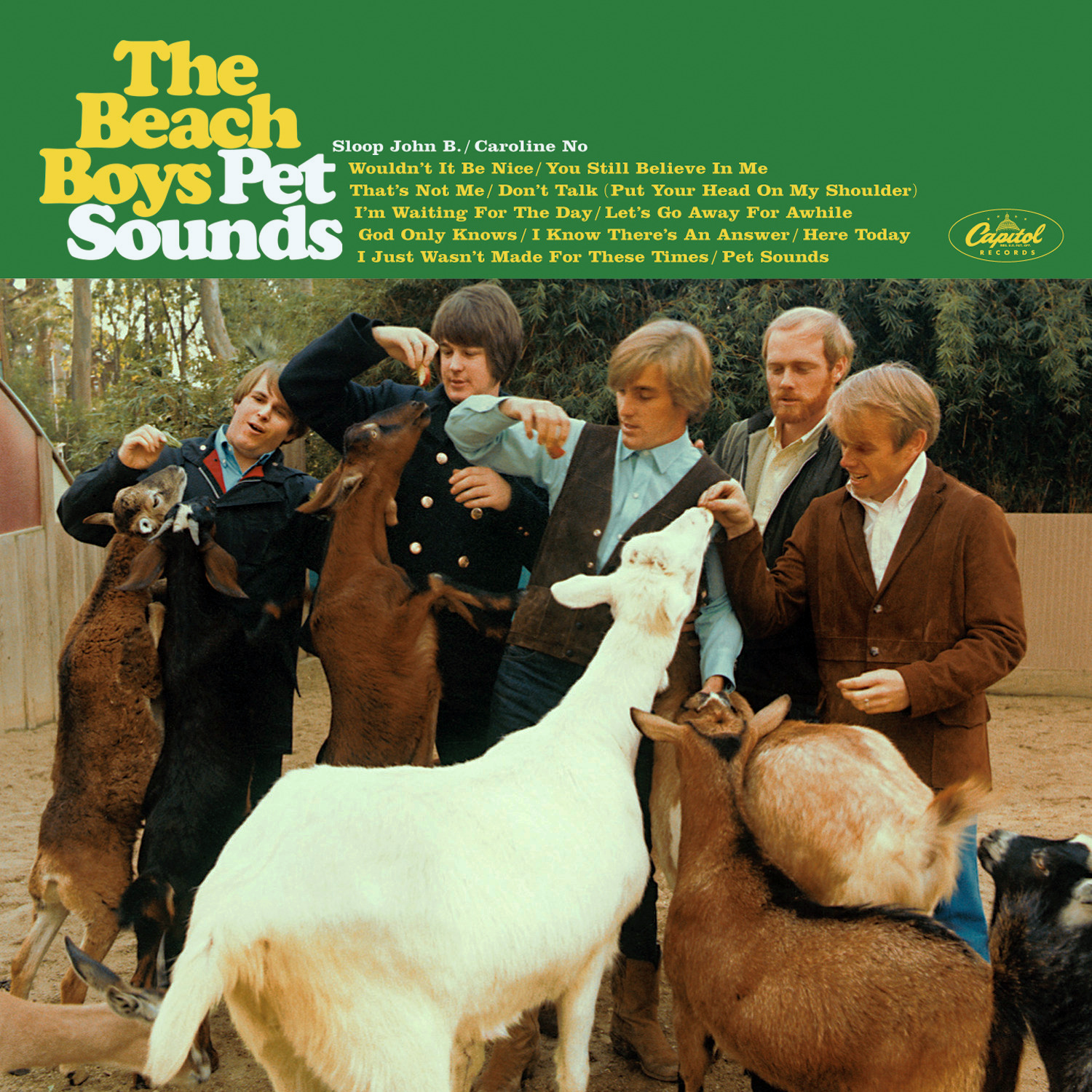
#353: Pet Sounds (1966)
Artist: The Beach Boys
Capitol Records
A lush, symphonic masterpiece that forever altered the possibilities of pop music, 1966's Pet Sounds is the ultimate testament to Brian Wilson's compositional genius. Its placement here perfectly illustrates the reality of this massive, sprawling catalog: a list this extensive is essentially an ongoing, multi-way tie for first place. Retiring from the grueling grind of live performance to focus entirely on the studio, Wilson enlisted the legendary Wrecking Crew session musicians to build staggering, complex arrangements utilizing everything from French horns and harpsichords to theremins, bicycle bells, and barking dogs. The resulting soundscape is heartbreakingly beautiful, anchoring its iconic vocal harmonies to themes of lost innocence and deep romantic longing. The universal, enduring respect for this record is perfectly encapsulated in a fantastic piece of personal retail lore: when a CD copy was finally procured in 1996 at a local The Wall or FYE franchise (the exact branding lost to the shifting corporate tides of mid-90s mall culture), the cashier took one look at the jewel case and matter-of-factly declared, "This is the best thing I've sold all week." A flawless transaction for a genuinely flawless album, of which I've happily bought several other editions (the 40th anniversary CD, the Pet Sounds Sessions box set, a DVD-Audio edition, two different vinyl versions) ever since.

#354: Lincoln (1988)
Artist: They Might Be Giants
Bar/None Records
Fpr their second album of hyper-literate, accordion-fueled carnival of indie-pop eccentricity, They Might Be Giant's Lincoln captures the brilliant, idiosyncratic universe of John Linnell and John Flansburgh at absolute full tilt. Bursting with drum machine rhythms, bizarre time signatures, and relentlessly catchy melodies, Lincoln solidified their reputation as unparalleled craftsmen of the weird and wonderful. The absolute beauty of the record is perfectly encapsulated by its legendary lead single, "Ana Ng." Upon its release, the track left countless listeners — and entire groups of friends — gloriously bewildered as to what the song was actually about. The genius lies in its ambiguity, seamlessly blending themes of geographic opposites, unrequited conceptual love, and retro-futuristic world's fairs into a perfect, frantic pop song. That signature brand of lyrical surrealism, completely free from traditional rock-and-roll cliches, is exactly what makes their catalog so endlessly charming and entirely unique. It is a vital, brain-expanding addition to any serious physical media collection.
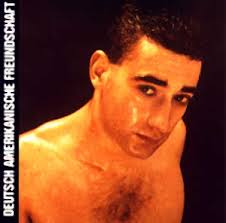
#355: Alles Ist Gut (1981)
Artist: Deutsch Amerikanische Freundschaft
Virgin Records
A relentless, sweat-soaked masterpiece of electronic minimalism, 1981's Alles Ist Gut captures Deutsch Amerikanische Freundschaft (DAF) stripping dance music down to its rawest, most muscular skeleton. Robert Görl and Gabi Delgado-López discarded traditional rock conventions entirely, relying instead on a punishing combination of live acoustic drums, a single driving synthesizer sequence, and deeply provocative, deadpan vocals. This brutal, high-voltage formula effectively birthed the entire Electronic Body Music (EBM) subculture. The record is fiercely anchored by the massive underground club hit "Der Mussolini," a hypnotic, pulsating track that audaciously turned fascist dictators and religious figures into the subjects of a dark, mechanical dance craze. Uncompromising and sexually charged, it is a primal milestone of the Neue Deutsche Welle that still sounds incredibly dangerous and completely visionary today.
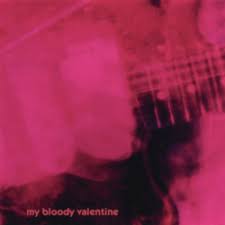
#356: Loveless (1991)
Artist: My Bloody Valentine
Creation Records
1991's Loveless stands as the undisputed holy grail of the shoegaze movement. An impossibly dense, transcendent tidal wave of distortion, the album is legendary not just for its breathtaking soundscapes, but for its grueling genesis: frontman Kevin Shields' obsessive perfectionism resulted in a marathon recording process that famously pushed Creation Records to the absolute brink of financial ruin. Yet, the final product completely justified the chaos. Shields pioneered a revolutionary approach to the instrument, heavily utilizing a "glide guitar" technique — strumming while constantly manipulating the tremolo arm — to create a woozy, bending wash of noise that feels profoundly physical. By burying the soft, ethereal, and dreamlike vocals of Bilinda Butcher and Shields deep within this roaring ocean of reverse reverb and fuzz, the band achieved a beautiful paradox. It is a record that is simultaneously deafening and delicate, completely enveloping the listener in a warm, hypnotic sonic womb.
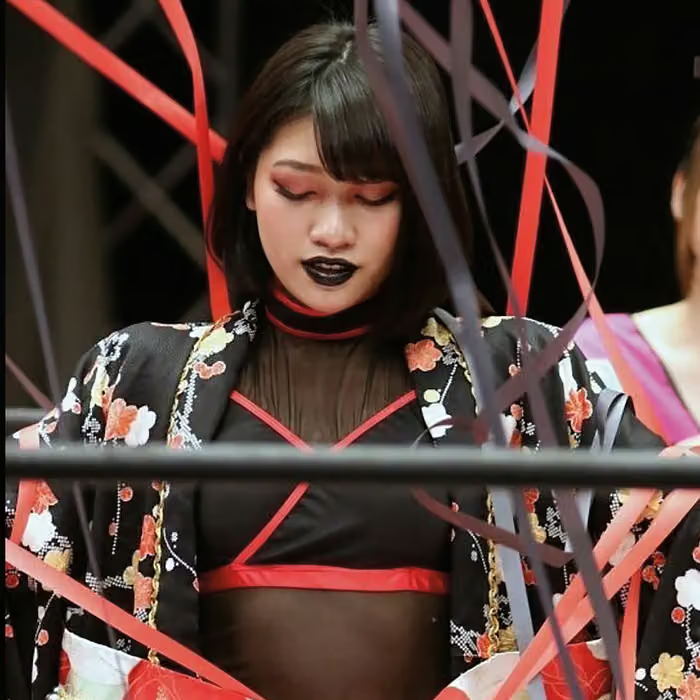
#357: Dedicated To Hana Kimura (2020)
Artist: Slit Throats
Self-Released / Independent
An overwhelming, fiercely uncompromising plunge into the extreme architectural fringes of harsh noise, Roman Leyva's Slit Throats project completely discards traditional musical machinery. Dedicated to Hana Kimura serves as a crushing, highly cathartic tribute to the incredibly talented and deeply beloved Japanese professional wrestler (joshi puroresu) following her tragic passing in 2020. Bypassing any semblance of rhythm grids or melodic structures, Leyva actively weaponizes suffocating walls of static, tearing feedback, and heavy electronic shrapnel. The sonic framework is designed to channel the intense theatricality, raw emotional gravity, and immense physical toll inherent to women's professional wrestling. From an audio engineering standpoint, it requires a completely different tier of listening discipline—one that embraces sheer, abrasive texture and physical sonic weight over accessibility. It stands as a dark, deeply heavy, and violently textural monument to a life lost too soon.
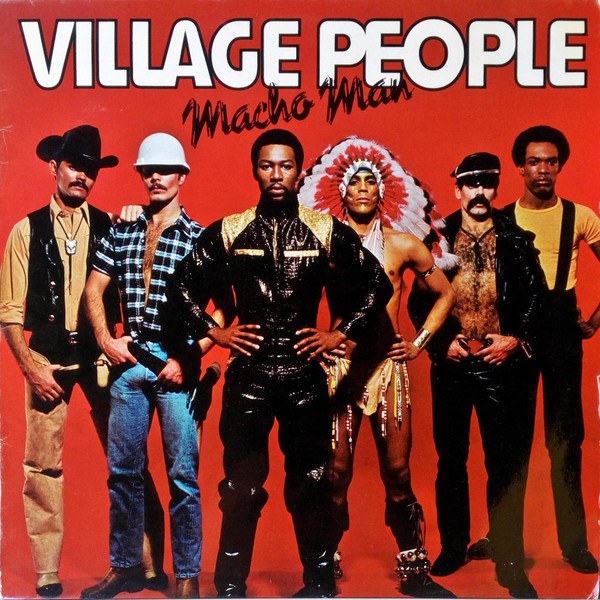
#358: Macho Man (1978)
Artist: Village People
Casablanca Records
A massive, theatrical triumph of the disco era, 1978's Macho Man is far more culturally and musically significant than its campy visual reputation suggests. While outlets like The Rolling Stone History of Rock & Roll dismissively labeled the group as "a gay goof" or a "disco novelty," Rhino Records provided a much more accurate and respectful assessment when they were hyping their Village People Greatest Hits CD in 1988, beautifully dubbing them "disco's answer to the Coasters." This perfectly highlights their brilliant use of character-driven, vocal-pop narratives. The most profound aspect of this album, however, lies in its lyrics. Lead singer and proto-straight-ally Victor Willis penned fiercely empowering, pro-LGBTQ anthems like "Key West" and "I Am What I Am." The true magic of the songwriting is how universally the message translated. For a youngster listening in 1978 — an era where casual homophobic slurs were heavily normalized, particularly as generic insults directed blindly at the gritty, contemporary punk rock scene — the specific cultural subtext may have flown under the radar. Yet, the overarching, undeniable themes of anti-prejudice and unapologetic self-acceptance still landed perfectly. It is a wildly entertaining, deeply positive cultural milestone wrapped in an inescapable rhythm.
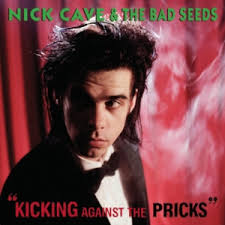
#359: Kicking Against the Pricks (1986)
Artist: Nick Cave & The Bad Seeds
Mute Records
A brilliant, swaggering detour in their discography, 1986's Kicking Against the Pricks is vastly more important than a standard covers album. Cleverly borrowing its title from a striking biblical quote (Acts 9:6: "It is hard for thee to kick against the pricks"), the record captures Nick Cave and The Bad Seeds using a collection of traditional blues, country, and rock standards as a rigorous musical boot camp. Rather than treating the project as a throwaway homage, Cave openly credited the grueling, intensive process of dissecting and recording these songs with fundamentally teaching the band how to play together, ultimately making them vastly better musicians. By tearing down tracks originally penned by legends like Johnny Cash, The Velvet Underground, and Leadbelly, and subsequently injecting them with their own signature gothic menace, the band forged a completely unified sound. It is a crucial, transitional masterpiece that dramatically sharpened their musical instincts and set the stage for the incredible creative run that followed.
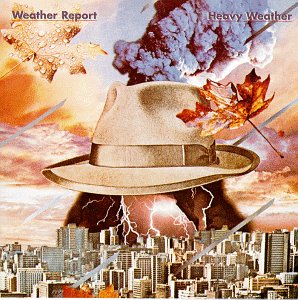
#360: Heavy Weather (1977)
Artist: Weather Report
Columbia Records
A landmark achievement in the realm of jazz fusion, 1977's Heavy Weather captures Weather Report operating at the absolute zenith of their creative powers. The album is a breathtaking display of virtuosity, forever anchored by the revolutionary integration of Jaco Pastorius as a full-time member. His fluid, incredibly dynamic fretless bass lines completely redefined the instrument's role, elevating it from a rhythmic foundation to a striking lead voice. Paired flawlessly with Wayne Shorter's soaring saxophone and Joe Zawinul's pioneering, multi-layered synthesizer arrangements, the group achieved a profound balance between wildly complex improvisation and accessible pop sensibilities. Driven by the joyous, undeniable groove of the opening masterpiece "Birdland," this record successfully shattered the boundaries of the traditional jazz market to achieve massive mainstream crossover success. It remains a vibrant, essential milestone of unparalleled ensemble musicianship.

#361: I'm Wide Awake, It's Morning (2005)
Artist: Bright Eyes
Saddle Creek Records
An incredibly vulnerable, beautifully stark masterpiece of modern Americana, 2005's I'm Wide Awake, It's Morning stands as one of the the definitive triumphs of Conor Oberst's songwriting career. Famously released on the exact same day as its colder, electronic companion piece, Digital Ash in a Digital Urn, this record took the opposite approach, completely stripping away the manic noise of his earlier work. Relying heavily on warm acoustic guitars, pedal steel, and deeply intimate arrangements, the album provided the perfect, unadorned canvas for his trembling, hyper-literate poetry. The inclusion of country music icon Emmylou Harris on backing vocals further anchored the project, adding a layer of profound, timeless grace to Oberst's anxious tales of youthful heartbreak and post-9/11 societal dread. Featuring universally revered tracks like the hushed, late-night confession "Lua" and the definitive indie-folk romantic standard "First Day of My Life," it is a raw, emotionally staggering record that perfectly captures the fragile spirit of its era.

#362: Teen Babes From Monsanto (Expanded Edition) (1984)
Artist: Redd Kross
Merge Records
A glorious, fuzz-drenched love letter to 1970s trash culture and glam rock, Teen Babes From Monsanto captures brothers Jeff and Steven McDonald executing a brilliant sonic pivot. Emerging originally as literal middle-school prodigies within the aggressive Los Angeles hardcore scene, Redd Kross gleefully rejected purist punk boundaries in favor of high-energy bubblegum and hard-rock theatrics. This specific listing honors the expanded, album-length reissue on Merge Records, which robustly pads out the original Gasatanka mini-album into a definitive, sprawling document of their influences. It is a wildly infectious collection of covers that drags tracks by Kiss, David Bowie, The Stooges, and The Rolling Stones through a joyous, snotty, garage-pop filter. By treating pop-culture kitsch with absolute sincerity and massive guitar hooks, the band forged a completely unique aesthetic that remains an essential, highly influential piece of West Coast underground history.
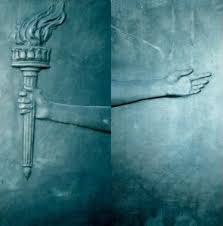
#363: The Argument (2001)
Artist: Fugazi
Dischord Records
The stunning, fiercely intelligent culmination of their legendary career, 2001's The Argument stands as the final studio album from Washington D.C. post-hardcore pioneers Fugazi. Expanding far beyond their aggressive, stripped-down roots, the band utilized the studio to forge a deeply layered, dynamically rich masterpiece. The interlocking guitars of Ian MacKaye and Guy Picciotto moved into haunting, expansive territories, beautifully anchored by the incredibly sophisticated rhythm section of Brendan Canty and Joe Lally. The unexpected integration of piano, cello, and refined vocal harmonies resulted in a mature, emotionally resonant swan song. For this specific archive, the record carries significant personal gravity: shortly before the album's release, a phone interview with drummer Brendan Canty was conducted for the now-defunct webzine Project X. Fueled by a shared demographic and mutual cultural touchstones, the conversation was a wildly fun, laughter-filled exchange between true peers of the independent music scene. While the original interview tape has tragically been lost to time, the memory permanently elevates the profound impact of this flawless record.

#364: Women and Children First (1980)
Artist: Van Halen
Warner Bros. Records
Women and Children First is a masterclass in hard rock swagger. For this specific archive, it holds the profound historical weight of being my first-ever Van Halen purchase, bought purely on the band's towering, dangerous reputation (and the fact that it was the band's current release). The physical presentation of the record perfectly embodied their larger-than-life aesthetic: slicing the shrinkwrap revealed that the standard protective inner sleeve had been completely discarded, with the vinyl instead wrapped directly inside a massive, fold-out Helmut Newton poster of Roth himself — a brilliant, decadent hangover from the late-70s arena rock era. Furthermore, the album opens with a legendary sonic fake-out. Dropping the needle to experience the revolutionary guitar mastery of Eddie Van Halen, the listener is instead greeted by the opening chords of "And the Cradle Will Rock..."—a deeply menacing, phase-shifted Wurlitzer electric piano pumped through a roaring 100-watt Marshall amplifier. It is a wildly creative, fiercely unpolished triumph that perfectly captures the band operating on pure, chaotic instinct.

#365: Taking Liberties (1980)
Artist: Elvis Costello
Columbia Records
An essential, fast-paced treasure chest of biting pop brilliance, 1980's Taking Liberties (the title taken from a line in "Crawling To The U.S.A.", then known to American fans as the song Costello performed in his cameo in Americathon) stands as a monumental compilation of Elvis Costello's early, wildly prolific era. Originally functioning as a US-only release, the record was born out of sheer necessity, rounding up all the premium B-sides, UK-only 45s, and stray tracks that Columbia Records had inexplicably left off the American versions of his first four studio albums. In a brazen move that mirrored the release strategy of Get Happy!!, the label crammed a staggering twenty tracks onto a single piece of vinyl, sacrificing groove space for an overwhelming volume of top-tier songwriting. The sequencing and strength of this specific collection became so beloved that it retained a fiercely loyal following long after the vinyl went out of print. During the 1990s, dedicated archivists (like your humble host) were forced to meticulously reconstruct the album by burning custom CD-Rs sourced from the bonus tracks of Rykodisc's expansive CD reissue campaign. Its enduring legacy was ultimately validated in the early 2000s, when Costello moved his catalog to Universal and the album officially remanifested in its original, perfectly sequenced form for the digital iTunes era and beyond.
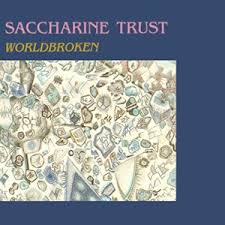
#366: Worldbroken (1985)
Artist: Saccharine Trust
SST Records
A daring, completely unscripted detour into avant-garde territory, 1985's Worldbroken captures Los Angeles underground heroes Saccharine Trust operating without a net. Recorded live on June 9, 1985, at the legendary McCabe's Guitar Shop in Santa Monica, the album is a pure, spontaneous collision of Jack Brewer's beat-style street poetry and Joe Baiza's jagged, jazz-inflected guitar work. The performance is perhaps most famous for its profound, last-minute lineup shift. Faced with a regular bassist who was entirely intimidated by the daunting prospect of a 100% improvised set, Minutemen legend Mike Watt — who had first brought Saccharine Trust to the SST roster back in 1980 and co-produced their first album Paganicons — fearlessly stepped in to anchor the rhythm section. His ability to instantly lock into the spontaneous chaos and hold down a fluid, responsive foundation saved the performance, resulting in a fascinating, fluid document of post-punk jazz exploration that boldly defied the loud-and-fast expectations of the contemporary SST Records roster.
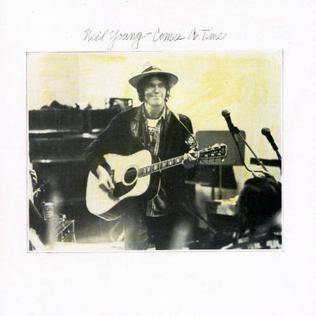
#367: Comes a Time (1978)
Artist: Neil Young
Reprise Records
A gorgeous, sun-drenched return to his rustic country-folk origins, 1978's Comes a Time found Neil Young stepping out of the dark, chaotic distortion of his mid-70s work to embrace warm acoustic strumming and lush string arrangements. The album serves as a deeply melodic, spiritual successor to the massive commercial success of Harvest, heavily anchored by the beautiful, soaring harmony vocals of the late Nicolette Larson. Beyond its timeless, peaceful songcraft, the record holds a legendary status among physical media archivists due to its chaotic manufacturing history. Deeply dissatisfied with an audio error on the original master tape, Young famously purchased approximately 200,000 copies of his own LP directly from the Warner Bros. warehouse. Refusing to let the compromised pressings reach consumers, he reportedly used the vinyl for rifle target practice and repurposed the shattered remnants as literal shingles for a barn roof. It is a stunningly tranquil album wrapped in one of the most uncompromising, destructive displays of quality control in rock history.

#368: De Mysteriis Dom Sathanas (1994)
Artist: Mayhem
Deathlike Silence Productions
The undisputed, freezing bedrock of the Norwegian black metal movement, 1994's De Mysteriis Dom Sathanas is a towering monument of extreme audio and unparalleled real-world infamy. Musically, the album is a suffocating, atmospheric triumph, driven by the relentless, tremolo-picked riffs of founding guitarist Euronymous and the devastating blast-beat precision of drummer Hellhammer. The recording is elevated into the realm of the genuinely deeply unsettling by vocalist Attila Csihar, whose bizarre, theatrical blend of guttural croaks and operatic wails perfectly deliver the dark, haunting lyrics left behind by the band's late frontman, Per "Dead" Ohlin. However, the true, heavy legacy of this record is cemented by its grim history. It stands as a cursed, fascinating document where a murderer and his victim play alongside one another. Following the murder of Euronymous by session bassist Varg Vikernes prior to the album's release, Euronymous's family demanded the bass tracks be rerecorded. Despite promises to the contrary made by Hellhammer, who said he would do them himself, the original recordings were left completely intact. Hellhammer got around the whole ordeal by simply not crediting Vikernes as a session player on the album at all, this preserving a terrifying, flawlessly executed piece of heavy metal history exactly as it was forged.

#369: Suicide (1977)
Artist: Suicide
Red Star Records
A pulsating, blood-chilling transmission directly from the gritty, bankrupt heart of late-1970s New York City, Suicide's 1977 self-titled debut is a foundational pillar of both electronic and punk music. Operating entirely outside the established guitar-driven norms of the CBGB scene, vocalist Alan Vega and instrumentalist Martin Rev forged an aggressively minimalist sound that was initially met with intense, often violent hostility from contemporary audiences. Armed solely with a heavily distorted Farfisa organ, crude early drum machines, and Vega's terrifying, rockabilly-croon-turned-psychotic-yelp, the duo essentially birthed the synth-punk and industrial genres single-handedly. The record drips with a tense, inescapable atmosphere of urban decay, peaking with the legendary psychological horror of "Frankie Teardrop" — a ten-minute descent into poverty-stricken madness that remains one of the most deeply harrowing tracks ever recorded. It is a brilliant, entirely uncompromising masterclass in musical confrontation.

#370: A Love Supreme (1965)
Artist: John Coltrane
Impulse! Records
When you're starting to add jazz records to your record library, there's at least two albums you need to start with. One is Kind of Blue, the Miles Davis masterpiece we saw back at position #69. The other is John Coltrane's A Love Supreme.
A Love Supreme is far more than a traditional jazz record; it is a sprawling, four-part devotional suite. Composed as a deeply personal expression of spiritual awakening and gratitude following his successful battle with addiction, John Coltrane imbued every single note with intense emotional purpose. To realize this towering vision, he utilized his legendary Classic Quartet, a group operating with almost frightening musical telepathy. Elvin Jones's thunderous, polyrhythmic drumming, Jimmy Garrison's hypnotic bass lines, and McCoy Tyner's sweeping piano provide the perfect, storming foundation for Coltrane's tenor saxophone to soar into the divine. From the iconic, rhythmic vocal chanting of the album's title in the opening movement, "Acknowledgment," to the breathtaking finale of "Psalm"—where Coltrane famously uses his horn to "read" a self-penned poem of gratitude wordlessly—it stands as a flawless, spiritually charged masterpiece that permanently elevated the possibilities of the genre.

#371: Dawn of the Dickies (1979)
Artist: The Dickies
A&M Records
Dawn of the Dickies perfectly captures the wildly entertaining, warp-speed genius of the Los Angeles scene's undisputed clown princes. Serving as a massive stylistic counterweight to the aggressive, confrontational darkness of many of their contemporaries, the band embraced a vibrant, Saturday-morning-cartoon aesthetic. However, the true brilliance of the record lies in the jaw-dropping musicianship hiding just beneath the humor. Frontman Leonard Graves Phillips delivers his delightfully zany, helium-pitched vocal performances over an incredibly airtight, formidable sonic engine driven by Stan Lee's buzzsaw guitar riffs. Whether executing impeccably catchy originals like "Manny, Moe and Jack" or gleefully dismantling classic rock sacred cows with a blistering, warp-speed cover of The Moody Blues' "Nights in White Satin," the album is a relentless joyride. It stands as permanent proof that punk rock can be technically dazzling, intensely fast, and completely, unapologetically fun.
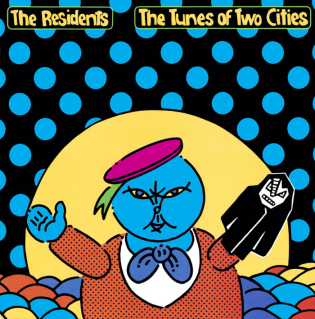
#372: The Tunes of Two Cities (1982)
Artist: The Residents
Ralph Records
A deeply unsettling and technologically groundbreaking piece of conceptual art, 1982's The Tunes of Two Cities marks a dramatic, forced evolution for the enigmatic avant-garde collective. Serving as the second installment in the ambitious Mole Trilogy, the album's creation was heavily defined by severe behind-the-scenes fracturing. Following intense disputes related to the live staging of the Mole Show, the guiding nucleus of the Cryptic Corporation, and thus of the Residents themselves, was split, causing the departure of Jay Clem and Jack Kennedy. Left to soldier on alone (with session players filling in for the Mole Show and as needed for subsequent projects ever since), Homer Flynn and Hardy Fox essentially crafted this entirely new sonic landscape as a duo. The resulting album is primarily instrumental, driven almost completely by two of the very first E-mu Emulator sampling keyboards in existence — instruments they initially only intended to use to recreate the complex audio of Mark of the Mole for the stage. Utilizing this revolutionary new hardware, Flynn and Fox masterfully constructed a stark musical contrast between two fictional societies, pitting the smooth, synthetic lounge jazz of the oppressive Chubs against the harsh, primal industrial clatter of the displaced Moles. It is an essential, highly influential milestone in the dawn of modern digital sampling.
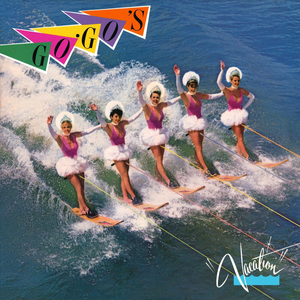
#373: Vacation (1982)
Artist: The Go-Go's
I.R.S. Records
Vacation presents a compelling case for being the absolute creative peak of The Go-Go's discography. While their legendary debut typically dominates the historical spotlight, this record finds the band's songwriting fully crystallized. They masterfully retained the scrappy, driving punk energy of their early Los Angeles club roots while seamlessly integrating massive, stadium-ready pop hooks and a slightly darker, more sophisticated lyrical edge. Beyond the sheer strength of the music, the album holds a deeply formative spot in this personal archive. Following a Christmas haul that included the official piano/vocal/guitar folio for the record, the sheet music became a crucial, hands-on tool for musical development. Actively decoding the underlying harmonic structures of these deceptively clever pop-punk anthems provided the perfect avenue to sharpen sightreading skills and internalize theory, directly connecting the tactile joy of physical media to genuine musical education.
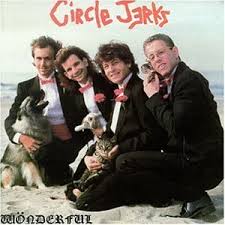
#374: Wonderful (1985)
Artist: Circle Jerks
Combat Core
The Circle Jerks's 1985 album Wonderful stands as a brilliant testament to the pure, unadulterated thrill of pre-internet record hunting. In an era where underground fanzines were scarce in the wild and mainstream rock journalism completely ignored the hardcore scene, discovering a new release often relied entirely on stumbling across it in the wild bins of a local shop. The record captures the Circle Jerks in a state of chaotic, revolving-door momentum: hitting their fourth full-length release on their fourth consecutive label, and debuting their third major lineup overhaul with Zander Schloss stepping in on bass and Keith Clark taking over drum duties. Despite the internal turbulence, the band delivers a ferociously tight and deeply cynical set of tracks. The album's legacy is further cemented by its hilariously out-of-character cover art, featuring the famously unpolished band completely decked out in formal tuxedos. This specific wardrobe choice even sparked a phenomenal, direct exchange years later when frontman Keith Morris commented on a social media "now playing" post I made of the album, genuinely musing, "What were we thinking?" — prompting the perfectly accurate reassurance I made to the legendary vocalist: "You look quite dapper in a tux, 'Uncle' Keith."

#375: Racer X (1984)
Artist: Big Black
Homestead Records
A brutally uncompromising slab of noise-rock hostility, 1984's Racer X captures Big Black at the exact moment their terrifying sonic vision fully crystallized. Spearheaded by Steve Albini, the EP fundamentally shattered the established rules of the underground punk scene by replacing a traditional human drummer with the unforgiving, mechanical precision of a Roland TR-606 drum machine. Credited simply as "Roland," the hardware provided a cold, relentless rhythmic anchor that perfectly contrasted the slicing, sheet-metal guitar assault delivered by Albini and Santiago Durango. This innovative, heavily programmed approach to extreme music laid the essential groundwork for decades of subsequent industrial and noise rock. Highlighted by deeply cynical, abrasive tracks like "The Ugly American" and the title track's ode to the Speed Racer character, the record is a masterclass in tension and aggression, proving definitively that electronic hardware could deliver a sonic payload just as punishing and visceral as any live rhythm section.
NOTE: This album exists with two different covers. The original Homestead Records release featured artwork by Nate Kaatrud — better known as Nash Kato of Urge Overkill. When Albini pulled the rights to Big Black's catalog from Homestead and moved to Touch & Go Records, it was learned that the original artwork source had been completely lost, forcing an entirely new alternate cover to be made for all subsequent reissues. You can compare both covers here.