
Favorites: Albums — 51 to 75
If it wasn't for album #51, there probably won't be as many older Japanese albums as there are in my collection, let alone this list...
#51: Duo U & U (2004)
Artist: W (Double U)
Zetima
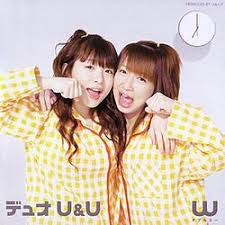
Kicking off Page 3 with a brilliant, high-energy pivot into the world of Japanese idol pop. Following the graduation of Ai Kago and Nozomi Tsuji from the massive J-Pop juggernaut Morning Musume, the two formed the duo W (Double U) and delivered this absolute masterclass in pop homage. Duo U & U is a front-to-back cover album dedicated entirely to legendary female Japanese duos from the Showa era, breathing new, hyperactive life into classics originally performed by groups like The Peanuts, Pink Lady, and Wink. Beneath the pristine, high-BPM, maximalist production signature of Hello! Project's house producer Tsunku, the album serves as a deeply respectful love letter to 1970s and 1980s Japanese pop history. Tsuji and Kago brought an undeniable, chaotic, and infectious energy to the studio, proving that a flawlessly written pop melody will always remain timeless when delivered with the right amount of swagger and shine.
#52: Vs. (1982)
Artist: Mission of Burma
Ace of Hearts Records
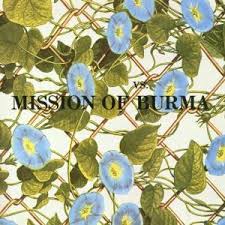
If you want to talk about the exact moment when punk rock grew a brain but kept its teeth, you have to talk about Vs. Mission of Burma completely shattered the mold, taking raw aggression and injecting it with live tape-loop manipulations, odd time signatures, and Roger Miller's buzzsaw guitar tone. Underneath all that sheer volume and noise, Clint Conley's heavy, melodic bass lines keep the frantic energy anchored just enough so it doesn't fly apart. It’s a massive, smart, and totally unhinged wall of sound that essentially wrote the blueprint for the next two decades of post-hardcore and indie rock.
#53: Seventeen Seconds (1980)
Artist: The Cure
Fiction Records
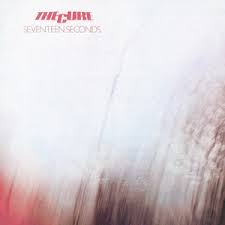
Seventeen Seconds is the sound of a band stripping everything back to its cold, atmospheric core. Marking a massive turning point for The Cure and post-punk as a whole, this record introduced keyboards into their sonic palette for the very first time. The minimal synth work here isn't used for flash; it is entirely structural, weaving through Simon Gallup's driving, hypnotic basslines and Robert Smith's stark, flanged guitar to create something hauntingly spacious. It’s an album defined by what it leaves out, proving that subtle, atmospheric electronics could be just as heavy and influential to alternative rock as a wall of distortion.
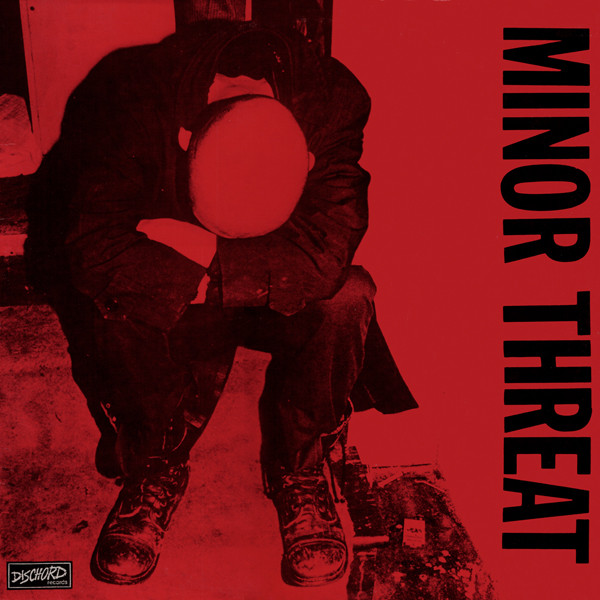
#54: First Two 7"s on a 12" (1984)
Artist: Minor Threat
Dischord Records
If you want to talk about the absolute ground zero for D.C. hardcore, it lives right here on this piece of plastic. Compiling their 1981 self-titled and In My Eyes EPs, this compilation is universally treated as a foundational punk album. As a legendary Flipside fanzine review pointed out, the real blessing of this release was efficiency: you only had to flip the record once to hear all four sides of Minor Threat's early, blistering fury. Ian MacKaye's frantic, vein-bulging vocals and Lyle Preslar's buzzsaw riffs delivered track after track of relentless, breakneck aggression. It birthed the straight edge movement and set the gold standard for punk rock economy, proving you didn't need more than 60 to 90 seconds to make a permanent dent in music history.
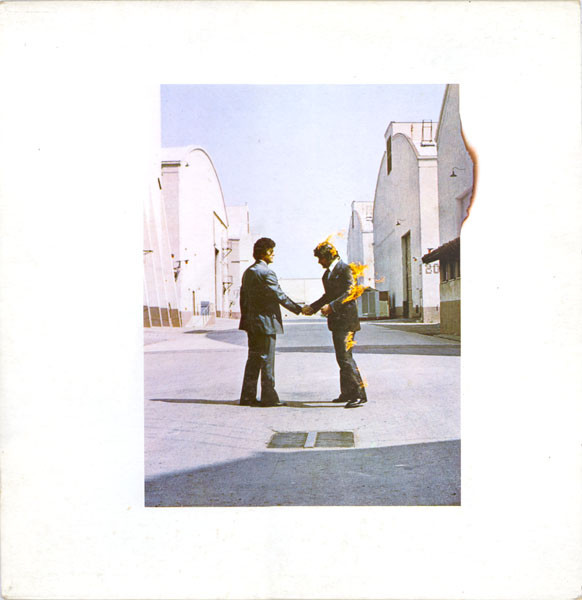
#55: Wish You Were Here (1975)
Artist: Pink Floyd
Harvest / Columbia
There is a profound, echoing sadness at the core of Wish You Were Here that makes it an incredibly powerful record to lean on during times of personal loss. Fundamentally built on the themes of absence and grief, the album masterfully articulates the feeling of missing someone. From Richard Wright's cold, searching synthesizer sweeps to David Gilmour's incredibly expressive, weeping guitar lines on the towering "Shine On You Crazy Diamond," the music provides a massive, atmospheric space to process heartache. While it also serves as a sharp critique of the music industry machine, its enduring legacy is its haunting, universal empathy for the people who are no longer in the room with us; the album ended up being a comfort in the months following the passing of my parents. No doubt, the sight of a shaven-headed Syd Barrett randomly showing up at Abbey Road Studio when Pink Floyd happened to be recording this album had to have freaked out his ex-bandmates greatly.
#56: Déjà Vu (1970)
Artist: Crosby, Stills, Nash & Young
Atlantic Records
It is completely understandable how a seven-year-old kid might come across a 45 of "Woodstock" and assume it was a tribute to a certain yellow Peanuts bird! (Guilty as charged!) But what’s actually pressed into the grooves of this album is the sound of a supergroup operating at the absolute, volatile peak of their powers. The addition of Neil Young to the established, crystalline vocal harmonies of David Crosby, Stephen Stills, and Graham Nash injected a crucial, jagged edge into the band's dynamic. Déjà Vu is a defining masterpiece of 1970s folk-rock, perfectly capturing the fading, fractured idealism of the era. From the complex acoustic layers of "Carry On" to the blistering electric guitar duels, it is an essential document of four brilliant songwriters pushing each other to the limit.
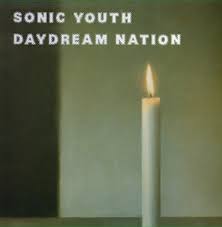
#57: Daydream Nation (1988)
Artist: Sonic Youth
Blast First / Enigma
In 1988, the mainstream rock landscape was utterly saturated with "hair farmers" desperately trying to outshred Eddie Van Halen. Enter Daydream Nation, a massive, refreshing palate cleanser that completely rewrote the rules of what an electric guitar could do. Instead of mindless fretboard gymnastics, Thurston Moore and Lee Ranaldo utilized bizarre alternate tunings, screwdrivers, and shrieking feedback to construct sprawling, avant-garde rock anthems. Anchored by Steve Shelley's driving rhythms and Kim Gordon's detached, ultra-cool vocal delivery, tracks like "Teen Age Riot" and "Silver Rocket" proved you didn't need a spandex wardrobe and a flawless sweep-picking technique to be heavy. It was a brilliant, sprawling masterpiece of noise-rock that permanently killed off the hair metal excess and laid down the exact blueprint for the 1990s alternative explosion.
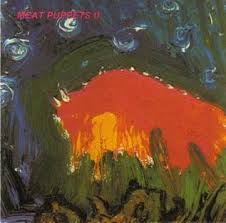
#58: Meat Puppets II (1984)
Artist: Meat Puppets
SST Records
If you want to talk about one of the most severe, whiplash-inducing evolutionary leaps in punk history, look no further than Meat Puppets II. Leaving behind the caffeinated, desert-baked hardcore noise of their debut, the Kirkwood brothers and Derrick Bostrom completely changed gears, pioneering a sun-warped, psychedelic brand of "cowpunk" that nobody else could have possibly come up with. Tracks like "Lake of Fire" and "Plateau" showcase Curt Kirkwood's warbling, country-fried guitar lines and Cris's wandering bass, all anchored by Bostrom's brilliant, unconventional rhythms. This record didn't just lay the groundwork for the '90s alternative explosion; it established the band's lifelong, fearless habit of radically shifting genres from album to album while never sounding like anyone but themselves.
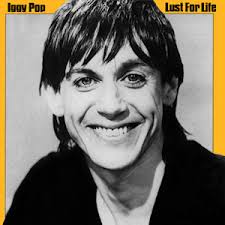
#59: Lust For Life (1977)
Artist: Iggy Pop
RCA Records
With his friend and biggest fan David Bowie by his side, Iggy Pop entered West Berlin's Hansa Studio and captured exactly what the title track promised: a pure, unadulterated lust for life. Backed by the titanic, stomping rhythm section of the Sales brothers, this 1977 masterpiece is a vibrant, swaggering rock and roll triumph. The sheer, unstoppable vitality that still makes Iggy's live performances the greatest rock shows you could ever hope to witness is pressed directly into the grooves of tracks like "The Passenger" and "Success." It remains a historical tragedy that RCA completely dropped the ball on promoting it, immediately diverting all their pressing plants to pump out Elvis Presley records after The King's untimely passing. That business move robbed Iggy of the immediate, stratosphere-level success he deserved right then and there. But true genius can't be buried by label logistics, and fortunately, the rest of the world eventually caught up to this life-affirming record (and Iggy would take the masters of this album and its predecessor, The Idiot, with him later to a label that actually gave a shit).
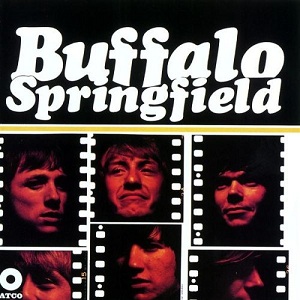
#60: Buffalo Springfield (1966)
Artist: Buffalo Springfield
Atco Records
Before the massive stadium tours and the legendary backstage friction of CSNY, there was the brilliant, crackling energy of Buffalo Springfield's 1966 debut. Serving as ground zero for the lifelong musical brotherhood and rivalry between Stephen Stills and Neil Young, the album is a flawless blueprint for West Coast folk-rock. It's a fascinating record from a collector's standpoint as well, due to the famous differences between the mono and stereo pressings. After the standalone single "For What It's Worth" became the defining protest anthem of the decade, the label hastily re-jiggered the album for its stereo release, slapping the hit right at the beginning of side one and ditching the original mono track "Baby Don't Scold Me." Whichever version is spinning on the turntable, it remains a vital piece of 1960s history that launched a half-dozen legendary careers. (The recent vinyl and CD box set compiling all of the Springfield's albums actually contains both the mono and stereo versionf of this album and Buffalo Springfield Again.)
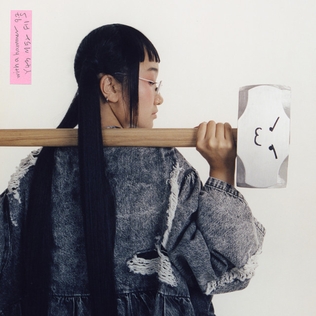
#61: With A Hammer (2023)
Artist: Yaeji
XL Recordings
On her phenomenal debut studio album*, With A Hammer, Yaeji takes the
hypnotic, club-ready house music of her early EPs and completely shatters the mold.
The record is a masterclass in dynamic electronic production, full of jagged
breakbeats and heavy, hardware-driven synth programming. But the true magic of the
album — and what immediately draws you in — is her incredibly pretty, breathy
singing voice. She has a brilliant ability to let her soft, intimate, bilingual
vocal delivery float effortlessly over the chaotic, pulsing energy of the tracks.
The way those hushed vocals sit so perfectly in the mix against the aggressive beats
creates a beautiful, captivating tension that makes this album an absolute
standout.
(*)NOTE TO TRAINSPOTTERS: Her 2020 release What We Drew is
considered to be a mixtape, not an album.
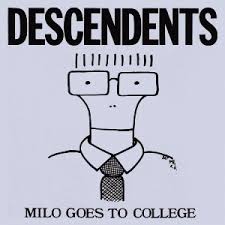
#62: Milo Goes To College (1982)
Artist: Descendents
New Alliance Records
If you want to pinpoint the exact moment where the blinding speed of Southern California hardcore collided with brilliant, unapologetic pop songwriting, you drop the needle on Milo Goes To College. Released on New Alliance Records, the label founded by D. Boon and Mike Watt, this album fundamentally invented melodic hardcore and pop-punk decades before the mainstream caught on. Bill Stevenson's caffeine-fueled drumming and Tony Lombardo's hyper-melodic, driving basslines anchor the incredibly tight rhythm section, while Frank Navetta's buzzsaw guitar tone cuts right through the mix. Over the top of it all, Milo Aukerman delivered snotty, lovelorn, and unapologetically nerdy vocals that completely shattered the macho posturing of the early '80s hardcore scene. It’s 22 minutes of flawless, high-speed angst that remains the absolute gold standard for catchy punk rock.
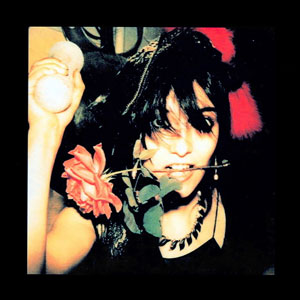
#63: The Flowers of Romance (1981)
Artist: Public Image Ltd
Warner Bros. Records
There is a brilliant, undeniable irony in the fact that PiL's most hostile, blatantly uncommercial record was the one that finally cracked the Billboard Top 200 in the States. Stripped of Jah Wobble's anchoring basslines, The Flowers of Romance is a jarring, abrasive masterpiece built almost entirely out of Martin Atkins' booming drum tracks, Keith Levene and John Lydon banging on anything they could get their hands on for percussion (including the face of a banjo with a drumstick by Lydon on "Phenagen"), heavy tape manipulation, droning synths, bowed acoustic instruments, and Lydon's relentless wailing. It is a deeply challenging listen that completely defied industry expectations of what a post-punk band should sound like. It was also a welcome relief for Stateside fans' wallets; after (happily) having to shell out exorbitant $12.98 import prices for PiL's debut and Paris au Printemps, having this available as a standard $8.98 domestic release was a major shift — though scoring it as a Christmas gift makes the experience of this uncompromising, avant-garde classic even sweeter.
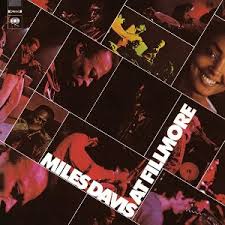
#64: Miles Davis At Fillmore (1970)
Artist: Miles Davis
Columbia Records
If there is any jazz record that completely aligns with the chaotic, boundary-destroying ethos of avant-garde punk and noise rock, it is this one. Recorded over four nights at the legendary Fillmore East, this live double album captures Miles Davis's electric band operating at a level of absolute, terrifying intensity. Sharing the bill with rock bands, Miles unleashed a dense, ferocious wall of sound driven by the abrasive dual-keyboard attack of Chick Corea and Keith Jarrett, anchored by Dave Holland's heavy bass and Jack DeJohnette's relentless drumming. Producer Teo Macero then took those raw live tapes and ruthlessly spliced them together into four massive, side-long jams named simply after the days of the week. It is a brilliant, uncompromising, and relentlessly heavy document of a jazz pioneer completely throwing out the rulebook and reinventing live music in real time.
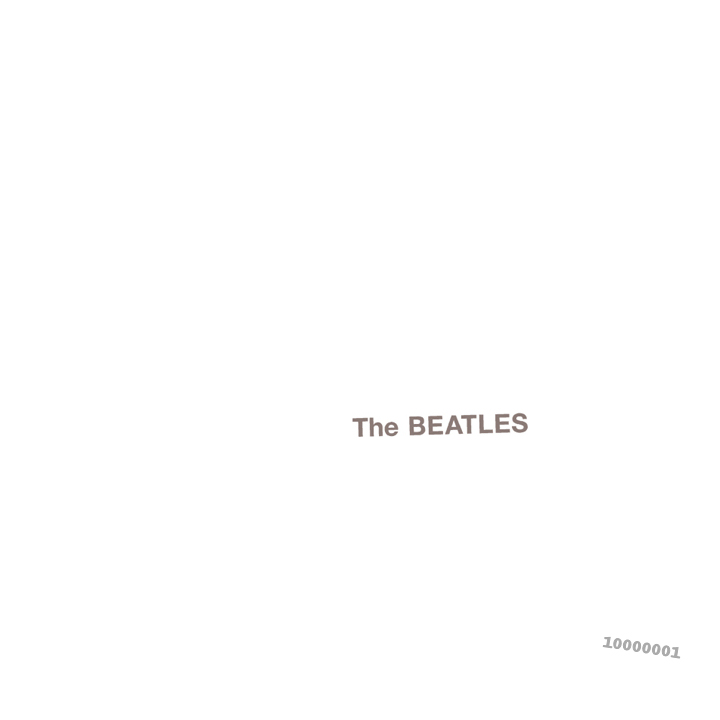
#65: The Beatles [The White Album] (1968)
Artist: The Beatles
Apple Records
It is practically a rite of passage to throw on a pair of headphones and obsessively scour the grooves of the White Album for buried studio chatter, hidden messages, and endless minutiae. Beyond the conspiracy theories, what makes this self-titled double LP so brilliant is how wonderfully fractured and sprawling it is. It's essentially the sound of the biggest band in the world slowly breaking apart on tape, operating less as a cohesive unit and more as four distinct solo artists using each other as session musicians. The result is a beautifully chaotic whiplash of genres that covers an insane amount of ground. They simultaneously laid down the aggressive, distorted blueprint for heavy metal with "Helter Skelter," dove headfirst into avant-garde tape manipulation on "Revolution 9," and delivered masterclasses in pure pop songwriting. It is a massive, endlessly fascinating puzzle box of a record that always rewards a deep, forensic listening session.
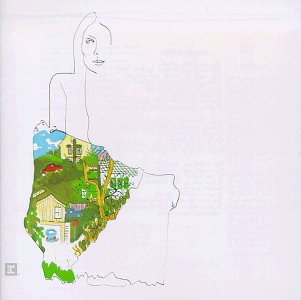
#66: Ladies of the Canyon (1970)
Artist: Joni Mitchell
Reprise Records
Landing perfectly as a companion piece to the earlier CSNY entry, Ladies of the Canyon delivers the stunning, original version of "Woodstock"—the very anthem that once sparked a brilliant childhood misunderstanding about Snoopy's avian BFF. But beyond that legendary track and the massive hit "Big Yellow Taxi," this 1970 masterpiece captures Joni Mitchell at the absolute, crucial tipping point of her career. She is caught right in the transition between her acoustic folk roots and the complex, jazz-inflected arrangements that would soon define her most critically acclaimed work. Her alternate guitar tunings, intricate piano playing, and soaring, multi-tracked vocal harmonies create a lush but deeply intimate atmosphere. It is a stunning, sophisticated record that proved she wasn't just a voice of a generation, but one of the most brilliant and innovative composers of the 20th century.
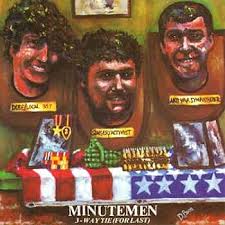
#67: 3-Way Tie (For Last) (1985)
Artist: Minutemen
SST Records
It is nearly impossible to detach 3-Way Tie (For Last) from the heavy context of its release, dropping just weeks before D. Boon's tragic van accident in December 1985. However, rather than just serving as an epitaph, the album is a brilliant final testament to a band rapidly expanding its musical vocabulary. Stretching out their strict "econo" rules, the record features acoustic guitars, spoken-word poetry, and a wildly eclectic batch of covers — tackling everything from Creedence Clearwater Revival's "Have You Ever Seen the Rain?" and Blue Öyster Cult's "The Red and the Black" to tracks by the Urinals ("Ack Ack Ack") and their SST labelmates, the Meat Puppets. The chrome cassette of this album, right alongside the My First Bells compilation, was a constant road companion during my early cover band days. I spent hours copying Watt's bass lines note-for-note, which provided the added bonus of endlessly irritating a jazz-fusion snob of a drummer I worked with. He absolutely hated seeing those punk tapes in my travel bag, and he hated hearing me play the bass with a pick even more. But that was always the magic of the Minutemen: they proved that punk rock could out-play the snobs any day of the week.
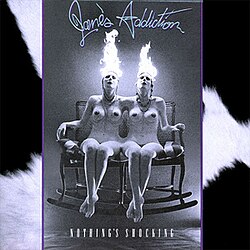
#68: Nothing's Shocking (1988)
Artist: Jane's Addiction
Warner Bros. Records
When Nothing's Shocking dropped in 1988, it completely obliterated the boundaries between the Los Angeles underground punk scene and the excess of heavy metal. Were they metal? Were they punk? Ultimately, they were simply a force of nature that refused to be categorized. Anchored by Eric Avery's hypnotic, driving basslines and Stephen Perkins' massive, tribal drum grooves, the rhythm section laid an ironclad foundation for Dave Navarro to unleash towering, effects-drenched guitar heroics. Over the top of this roaring sonic hurricane, Perry Farrell delivered his piercing, theatrical vocals and sheer chaotic energy. Tracks like "Mountain Song" and "Ocean Size" didn't just rattle the foundations of the late-'80s music landscape — they tore down the walls entirely, laying out the undeniable blueprint for the massive alternative rock explosion that was waiting just around the corner.
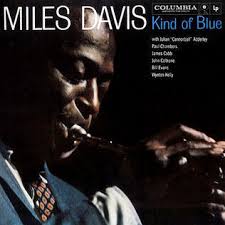
#69: Kind of Blue (1959)
Artist: Miles Davis
Columbia Records
A record collection without Kind of Blue simply is not a record collection. If Miles Davis At Fillmore is the sound of a musical genius tearing the world apart, Kind of Blue is the sound of him flawlessly assembling a new one. It is the absolute pinnacle of modal jazz, bringing together a mythological lineup that included John Coltrane, Cannonball Adderley, Bill Evans, Paul Chambers, and Jimmy Cobb. Together, they abandoned complex chord changes in favor of spacious, melodic improvisation. Every single note on this record feels deliberate, necessary, and perfectly placed, breathing with a cool, smoky, late-night atmosphere that has never been successfully replicated. It is one of those rare, transcendent albums where you do not even need to be a jazz fan to be utterly mesmerized by it; it is simply a foundational pillar of recorded music.
#70: Jah Wobble's Bedroom Album (1983)
Artist: Jah Wobble
Lago Records
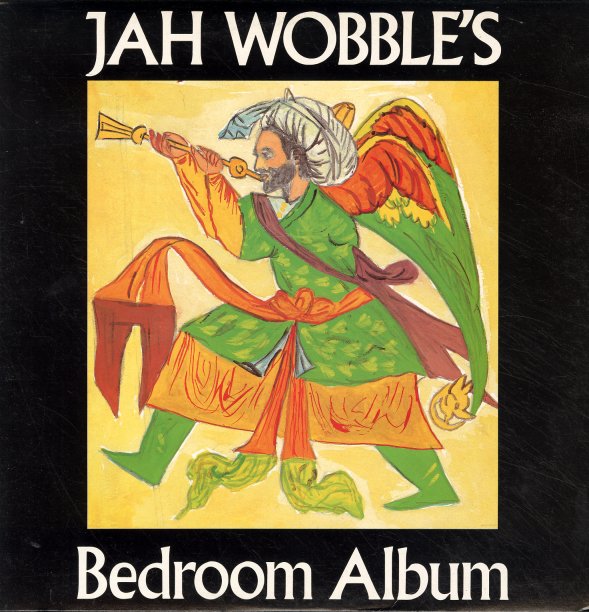
Circling back to the Public Image Ltd cinematic universe after touching on The Flowers of Romance, we land on the man whose subterranean, dub-inflected bass lines were the absolute bedrock of PiL's earliest and arguably best work. Released a few years after his acrimonious split from John Lydon and company, Jah Wobble's Bedroom Album is exactly what the title promises — a raw, DIY masterclass recorded outside the confines of a traditional studio. It is a brilliant showcase of Wobble's completely unique approach to the bass, treating the instrument not just as a rhythm anchor, but as the lead voice. He takes those massive, bowel-rattling grooves and builds a strange, hypnotic, and completely unfiltered world around them, playing everything but guitar on the album (those parts were played by his close friend and frequent collaborator Animal), proving he didn't need a massive studio budget or a volatile frontman to lay down some of the heaviest, most infectious dub-punk rhythms of the 1980s.
#71: Experimental Jet Set, Trash and No Star (1994)
Artist: Sonic Youth
DGC Records
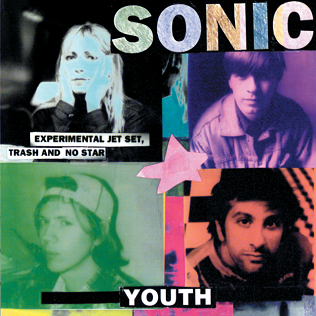
Coming off the massive, major-label grunge-era explosion of Goo and Dirty, Sonic Youth could have easily kept riding the alternative rock wave to arena-sized heights. Instead, they deliberately pumped the brakes and took a hard left turn with 1994's Experimental Jet Set, Trash and No Star. Stripping away the heavy, polished production of their previous two records, the band delivered an insular, scrappy, and surprisingly restrained album that felt like a deliberate retreat back to their downtown NYC art-punk roots. It is a brilliant, claustrophobic mix of acoustic guitars, spoken-word murmurs, and weird noise-pop bursts. Anchored by the iconic, Kim Gordon-led single "Bull in the Heather," the record proves that Sonic Youth didn't always need to drown you in a wall of shrieking feedback to make a completely captivating, unsettling piece of music.
#72: Copper Blue (1992)
Artist: Sugar
Rykodisc
After spending the 1980s laying the furious, buzzsaw-guitar foundation for the entire alternative rock explosion with Hüsker Dü, Bob Mould returned in 1992 to reclaim his throne. Forming the power trio Sugar with bassist David Barbe and drummer Malcolm Travis, Mould delivered Copper Blue—an absolute, front-to-back masterclass in heavy power pop. The album perfectly marries the relentless, overdriven guitar aggression of his punk roots with some of the sharpest, most pristine pop melodies he ever wrote. From the roaring, heavy-hitting opener "The Act We Act" to the relentlessly catchy, jangling acoustic drive of "If I Can't Change Your Mind," it is a massive, shimmering wall of sound. It perfectly balances bitter melancholy with fist-pumping energy, standing as a towering achievement of the '90s and absolute proof that Mould's songwriting well was nowhere near dry.
#73: Diamonds and Pearls (1991)
Artist: Prince and the New Power Generation
Paisley Park /
Warner Bros.
Prince always had a legendary ear for assembling backing bands, but the debut of the New Power Generation felt like an entirely different beast. Bringing a muscular, hip-hop-inflected, and incredibly tight funk sound into the new decade, Diamonds and Pearls is a massive, slick, maximalist pop triumph. But the absolute secret weapon of this entire era —a nd the reason this album hits as hard as it does—is Rosie Gaines. Her soaring, powerhouse vocals provided the perfect gospel-infused foil to Prince's delivery. Whether she is driving the massive harmonies on the title track or bringing the absolute house down alongside the relentless grooves of "Gett Off" and "Cream," her presence is completely undeniable. It is a record where a singular genius decided to share the spotlight with a phenomenal vocal sparring partner, and the result is pure, unstoppable joy.
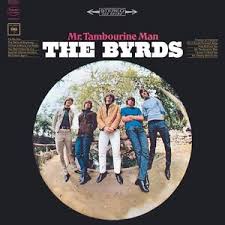
#74: Mr. Tambourine Man (1965)
Artist: The Byrds
Columbia Records
Sometimes the best records in a collection are the ones "liberated" from the family archives. Rescuing this absolute classic from the grandparents' record library — where it had been left behind by my mother and uncles — was a vital act of musical preservation. Mr. Tambourine Man didn't just introduce The Byrds; it effectively launched the entire folk-rock movement. By taking Bob Dylan's acoustic poetry and electrifying it with Jim McGuinn's chiming 12-string Rickenbacker and those pristine, Beatles-esque vocal harmonies, the band created a completely new sonic vocabulary. It’s a foundational piece of history that perfectly bridged the gap between the British Invasion and the Greenwich Village folk scene, and it undeniably belongs on an active turntable rather than sitting forgotten on a family shelf.
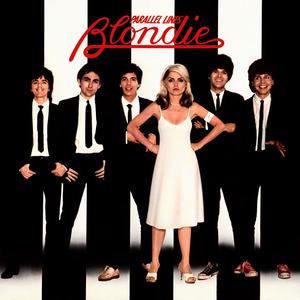
#75: Parallel Lines (1978)
Artist: Blondie
Chrysalis Records
There is a reason Parallel Lines has stuck around for ages as an absolute touchstone of music history. It is a flawless, front-to-back masterpiece that successfully dragged the gritty energy of the CBGB punk scene straight onto the global pop charts. Owning the picture disc edition of this record is a badge of honor, but beyond timeless, untouchable anthems like "Heart of Glass" and "Hanging on the Telephone," the album holds a massive musical milestone. It served as a brilliant, unexpected gateway to the avant-garde, marking the very first time I heard the otherworldly guitar playing of Robert Fripp. His eerie, swelling, and totally unpredictable guest work on the reggae-tinged synth-pop track "Fade Away And Radiate" perfectly bridges the gap between New York art-punk and heavy progressive rock. It proves that Blondie was always much smarter, weirder, and more ambitious than a standard pop band.