

Favorites: Albums — 126 to 150
The page where "13 songs" just might be the average track count of each album in this list...

#126: 13 Songs (1989)
Artist: Fugazi
Dischord Records
Acting as the definitive blueprint for the entire post-hardcore movement, 13 Songs is a vital compilation CD (one of Dischord's first two CD releases, along with Minor Threat's Complete Discography) that gathers Fugazi's first two groundbreaking EPs: 1988's self-titled debut and 1989's Margin Walker. Emerging from the ashes of Washington D.C.'s legendary early-80s hardcore scene, Ian MacKaye, Guy Picciotto, Joe Lally, and Brendan Canty completely dismantled the genre's reliance on pure speed. Instead, they weaponized space, utilizing heavy, dub-inflected rhythm sections and sharp, angular guitar interplay to build incredible tension and explosive, cathartic release. Opening with the immortal, bass-driven groove of "Waiting Room" and climaxing with the blistering feminist anthem "Suggestion," the record is a staggering display of musical precision and fiercely intelligent, anti-commercial ethics. It is a monumental release that proved punk rock could evolve into something highly complex and deeply thoughtful without sacrificing a single ounce of its inherent power.
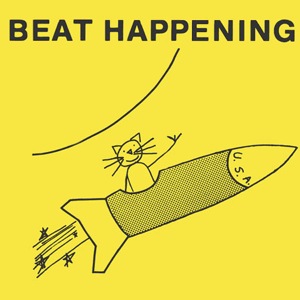
#127: Beat Happening (1985)
Artist: Beat Happening
K Records
Operating as the definitive manifesto for the Olympia, Washington DIY scene, Beat Happening's 1985 self-titled debut completely rewired the DNA of the American underground. At a time when the indie landscape was largely dominated by the speed and aggression of hardcore, Calvin Johnson, Heather Lewis, and Bret Lunsford took a radically subversive left turn into primal, childlike simplicity. Stripping rock and roll down to its absolute barest essentials—frequently just a hollow-body guitar, a minimal drum kit, and the brilliant vocal contrast between Johnson's booming, sinister baritone and Lewis's sweet, deadpan delivery—the trio proved that technical proficiency was entirely secondary to charm and attitude. Tracks like "Foggy Eyes" and "Bad Seeds" established the foundation of the K Records empire, laying the essential groundwork for twee pop and inspiring an entire generation of misfits to realize that anyone could make a record. It is a masterpiece of unvarnished, joyful amateurism.
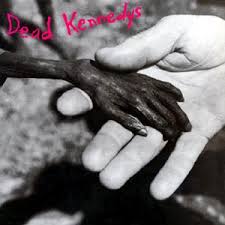
#128: Plastic Surgery Disasters (1982)
Artist: Dead Kennedys
Alternative Tentacles
While their debut may hold the most famous anthems, 1982's Plastic Surgery Disasters stands as the Dead Kennedys' most musically accomplished and terrifyingly cohesive masterpiece - and it happened to be the first DKs album that I had bought (along with their Halloween/Saturday Night Holocaust and Holiday In Cambodia/Police Truck singles). Bolstered by the arrival of powerhouse drummer D.H. Peligro (who had joined in time to play on the band's previous 12-inch release, In God We Trust, Inc., which appends the CD edition of this album), the band evolved into an incredibly tight, menacing unit, providing the perfect foundation for East Bay Ray's signature, reverb-drenched surf-rock guitar lines. Frontman Jello Biafra is at the absolute peak of his lyrical powers here, delivering a devastating, razor-sharp critique of 1980s American decay. From mocking upper-class entitlement on "Terminal Preppie" to the bleak, atmospheric environmental warning of "Moon Over Marin," the album is a relentless barrage of intelligent, venomous satire. Knowing the unyielding intellect and uncompromising ethics of the man behind the microphone only reinforces just how authentic and prophetic this dark, sprawling punk rock classic remains.
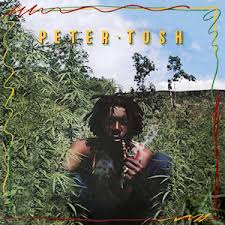
#129: Legalize It (1976)
Artist: Peter Tosh
Columbia Records / Intel-Diplo H.I.M.
Stepping out from the shadow of Bob Marley and The Wailers, Peter Tosh used his 1976 solo debut, Legalize It, to firmly establish himself as reggae's most militant and uncompromising voice. Backed by a legendary roster that included The Wailers' own rhythm section and the I-Threes, Tosh crafted a remarkably smooth yet fiercely political masterpiece, anchored by an iconic title track that remains the ultimate global anthem for marijuana decriminalization, even if the final verse ends with one of the more hilarious reasons Tosh could think of for his argument. ("Goats love to play with it"?!? Oookay, Pete...) For dedicated listeners, the journey to secure the perfect copy of this record can become an epic saga of physical media. Sometimes it begins with a dubbed chrome cassette lent to a stepsister as an olive branch, only to be tragically returned taped over with questionable hair metal. That kind of cassette-era betrayal fuels a relentless upgrade path — perhaps spanning all three American CD editions and a pristine circa-2000 180-gram vinyl pressing. But the ultimate vindication comes from taking a blind gamble on an unidentified eBay listing on Tosh's own Jamaican Intel-Diplo H.I.M. label, only to triumphantly discover it is this exact reggae holy grail. It is a legendary record that commands absolute dedication.
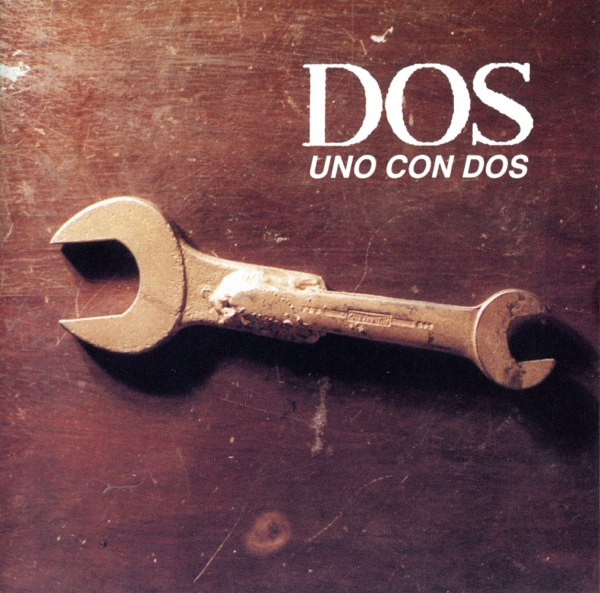
#130: Uno Con Dos (1989)
Artist: Dos
New Alliance Records
Operating as a fascinating, deeply intimate detour within the legendary SST Records expanded catalog (Mike Watt had sold New Alliance Records to Greg Ginn in 1987), Dos is the brainchild of two of punk rock's most formidable bassists: Mike Watt and former Black Flag low-end anchor Kira Roessler. Released in 1989, their CD, Uno Con Dos — compiling both their first self-titled LP and the Number Dos 12" — proves just how much sonic territory can be covered using absolutely nothing but two intertwined bass guitars and occasional vocals. Stripping away all the volume and aggressive percussion of their other projects, the duo weaves a complex, jazzy, and surprisingly delicate tapestry. Kira's precise, driving foundations act as the perfect foil to Watt's busy, kinetic fretwork. Knowing the immense heart and restless creative energy Watt brings to his work, this record feels like eavesdropping on a private, highly technical conversation between two absolute masters of their craft. It is a wonderfully strange, essential gem in the alternative underground.
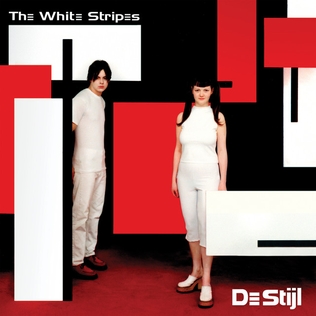
#131: De Stijl (2000)
Artist: The White Stripes
Sympathy for the Record Industry
Crowning a definitive favorite in the White Stripes' catalog is no small feat, especially when you have thousands of LPs and CDs in your physical library competing for attention, but 2000's De Stijl is an absolutely bulletproof choice. Dedicated equally to the minimalist Dutch art movement of the same name and the legendary bluesman Blind Willie McTell, the album is a brilliant collision of high-concept aesthetics and raw, bleeding-in-the-red blues-punk. Recorded completely analog directly to tape in Jack & Meg White's living room, it bridges the primal garage noise of their debut with the incredibly tight songcraft that would soon catapult them to mainstream stardom. From the heavy, swaggering stomp of "Hello Operator" to the frantic, incendiary slide-guitar brilliance of their Son House cover, "Death Letter," the record is a masterclass in economy. It remains a stunning, stripped-down monument to modern blues and uncompromising DIY ingenuity.
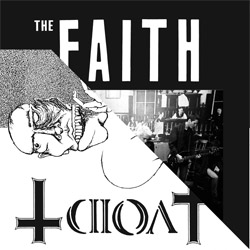
#132: Faith/Void Split (1982)
Artist: The Faith / Void
Dischord Records
Serving as a crucial historical document of the rapidly mutating Washington D.C. punk scene, 1982's Faith/Void split is widely considered the greatest shared LP in hardcore history. The record presents a breathtaking dichotomy. One side belongs to The Faith, fronted by Alec MacKaye (brother of Dischord founder Ian MacKaye). They deliver a tight, powerfully melodic, and deeply introspective brand of punk that effectively laid the earliest emotional groundwork for the post-hardcore and emo movements. Flipping the record over, however, plunges the listener into absolute, terrifying chaos. Void’s side is an unhinged, blistering assault. Driven by Bubba Dupree's frantic, jagged guitar work and John Weiffenbach's maniacal vocal delivery, Void essentially pioneered the crossover thrash sound, injecting a raw, metallic violence into the hardcore template. It is a jarring, brilliant collision of two distinct subcultures sharing the same revolutionary stage. And that's actually what the general concept behind putting two bands on the same album was: sharing the stage, rather than any band vs. band dynamic. Technically, some pressings of the Faith's side might have "8-A" written into the dead wax, but that doesn't mean a thing. Only the music does. And it served the scene and both bands a lot better than if Dischord had just released each band's side as 7" EPs.
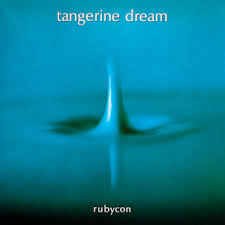
#133: Rubycon (1975)
Artist: Tangerine Dream
Virgin Records
Operating as the undisputed crown jewel of the 1970s Berlin School of electronic music, Tangerine Dream's 1975 masterpiece Rubycon is a staggering journey into analog synthesis. Following the critical breakthrough of Phaedra, the trio of Edgar Froese, Christopher Franke, and Peter Baumann perfected their completely unique, sequencer-driven sound. The album is defined by its massive, cascading Moog modular sequences that pulse and evolve like a living, breathing entity, blanketed by the eerie, gothic textures of the Mellotron and the VCS 3 synthesizer. For modern electronic producers chasing those lush, classic analog textures inside their digital audio workstations today, Rubycon serves as an essential, foundational blueprint. It is a deeply immersive, cinematic record that trades traditional rhythm and melody for pure, cosmic atmosphere, standing as one of the most transportive and influential electronic albums ever recorded.
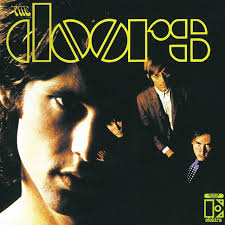
#134: The Doors (1967)
Artist: The Doors
Elektra Records
Arriving in the very first week of 1967 — which means this album is six and a half months older than I am — The Doors' self-titled debut served as a dark, dangerous counterpoint to the sunny, peace-and-love optimism that was sweeping the West Coast. The Los Angeles quartet arrived with a fully formed, radically unique sound that completely eschewed a traditional bass player in favor of Ray Manzarek's hypnotic left-hand keyboard bass lines and piercing Vox Continental organ riffs. Behind Jim Morrison's commanding, poetic, and often terrifying baritone, guitarist Robby Krieger wove intricate, flamenco-and-jazz-inspired fretwork while drummer John Densmore provided a swinging, bossa-nova-laced rhythmic foundation. From the massive, chart-topping pop brilliance of "Light My Fire" to the sprawling, apocalyptic theater of "The End," the album is a masterclass in atmospheric rock and roll. It stands as one of the most culturally significant and influential debut albums in the history of popular music, perfectly capturing the shadowy underbelly of the 1960s counterculture.
#135: Flex Your Head (1982)
Artist: Various Artists
Dischord Records
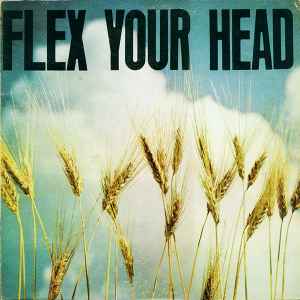
If there is a single, defining document that encapsulates the explosive birth of the Washington D.C. hardcore scene, it is 1982's Flex Your Head. Released as Dischord Records' seventh catalog entry, this legendary compilation served as a blazing introduction to a tightly knit, hyper-creative community of teenagers who were systematically rewriting the rules of punk rock. Crucially, because several of these seminal bands had already broken up by the time the record was actually pressed, the album functioned less as a promotional showcase and more as a vital, immediate time capsule. It preserves the blistering, straight-edge genesis of Minor Threat and the Teen Idles, the chaotic noise of Void, and furious early cuts from Henry Rollins' S.O.A. (following up their own crucial No Policy EP from the year prior). For anyone chronicling the genuine history of the American underground, this record is far more than just a compilation; it is an essential, foundational artifact of DIY culture. So DIY, in fact, that Dischord had the first pressings of the album packaged in stock album covers more suited to white gospel releases than blistering agnostic punk rock.
#136: Life Time (1987)
Artist: Rollins Band
Texas Hotel
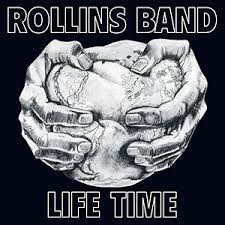
Following the grueling, bitter dissolution of Black Flag, Henry Rollins wasted no time forging a massive, uncompromising new path. Released in 1987, Life Time marks the ferocious debut of the Rollins Band. Completely stepping away from the confines of traditional punk rock, Rollins recruited guitarist Chris Haskett alongside the incredibly tight, jazz-inflected rhythm section of Andrew Weiss and Sim Cain to build something entirely different. The music here is dense, brooding, and muscular—a heavy collision of hard rock, funk, and metal that provides the perfect backdrop for Rollins' intense, deeply personal vocal exorcisms. Brilliantly, the album was produced by his longtime friend and Dischord Records founder Ian MacKaye, tethering the project to Rollins' foundational Washington D.C. roots while simultaneously launching him into a dark, heavy, and highly rhythmic new era. It is a powerful statement of survival and relentless forward motion.
#137: White Light/White Heat (1968)
Artist: The Velvet Underground
Verve Records
For countless disciples of punk and hardcore, the true roots of aggressive, anti-commercial rock and roll were discovered not on the radio, but through the passionate word-of-mouth of their heroes —l ike Henry Rollins famously championing this record in the pages of Spin magazine in 1985. Released in 1968, White Light/White Heat is the Velvet Underground operating without the artistic oversight of Andy Warhol or the icy detachment of Nico. Left to their own devices, Lou Reed and John Cale turned their amplifiers to ear-bleeding volumes and crafted a masterpiece of pure, unadulterated noise. It is a harsh, wildly distorted, and unapologetically abrasive record that stood in direct, terrifying contrast to the flower-power optimism of the era. Culminating in the sprawling, 17-minute fuzz-bass and Farfisa organ assault of "Sister Ray," the album essentially birthed the noise-rock and proto-punk movements in one single, deafening stroke. It remains a foundational blueprint for anyone looking to push guitar music to its absolute breaking point.
#138: Group Sex (1980)
Artist: Circle Jerks
Frontier Records
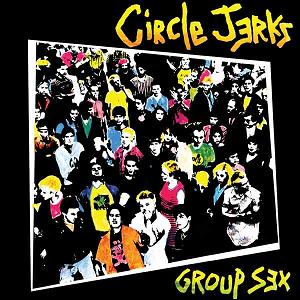
Clocking in at an incredibly furious fifteen minutes, the Circle Jerks' 1980 debut, Group Sex, remains one of the most perfectly distilled adrenaline shots in the history of punk rock. Following his departure from Black Flag, frontman Keith Morris recruited guitarist Greg Hetson, and the newly formed quartet immediately set about redefining the speed and attitude of the Los Angeles underground. Packing fourteen songs into a quarter of an hour, the album is a relentless barrage of frantic power chords and breakneck drumming. However, unlike many of the more aggressively self-serious bands in the burgeoning hardcore scene, the Circle Jerks laced their high-velocity attacks with a bratty, deeply sarcastic sense of humor and surprisingly undeniable pop hooks. Tracks like "Red Tape," "Operation," and "Live Fast Die Young" provided the absolute foundational blueprint for decades of Southern California skate punk, proving that a masterpiece doesn't need to overstay its welcome to leave a permanent mark.
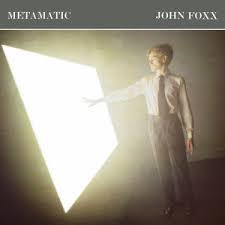
#139: Metamatic (1980)
Artist: John Foxx
Virgin Records
Following his departure as the frontman of the pioneering post-punk era of Ultravox!, John Foxx retreated into the studio to craft a chilling, uncompromising vision of the future. Released in 1980, Metamatic is a foundational masterpiece of minimal wave and synth-pop. Stripping away all organic rock elements, Foxx built the album entirely around the rigid, mechanical rhythms of early drum machines and the piercing, metallic leads of analog synthesizers like the ARP Odyssey. Lyrically and aesthetically, the record is heavily indebted to the dystopian, concrete-heavy science fiction of author J.G. Ballard, with Foxx delivering his detached vocals like an alienated observer wandering through a decaying, futuristic metropolis. For modern electronic producers (like yours truly) exploring classic analog synth emulations today, this album serves as a masterclass in tone and atmosphere. Tracks like "Underpass" and "No-One Driving" remain absolutely essential, icy blueprints for the dark, synthesized music that dominated the subsequent decade.
#140: Gala (1990)
Artist: Lush
4AD / Reprise Records
While technically a compilation designed to introduce the British band to the North American market, 1990's Gala operates with such breathtaking cohesion that it is widely revered as Lush's de facto debut album. The record brilliantly collects their earliest and most vital UK releases: the raw, charging Scar mini-album, the Robin Guthrie-produced Mad Love EP, and the magnificent Sweetness and Light EP. At the core of the band's undeniable magic is the creative partnership between Miki Berenyi and Emma Anderson. Together, they forged a signature sound built on heavily processed, chorus-drenched guitars and gorgeous, intertwining vocal harmonies. Yet, unlike many of their more lethargic shoegaze contemporaries, Lush injected their ethereal dream pop with a sharp, driving, almost punk-adjacent rhythmic energy. From the shimmering, transcendent rush of "Sweetness and Light" to their surprisingly urgent cover of ABBA's "Hey Hey Helen," it remains a flawless, defining document of the legendary 4AD label's golden era.
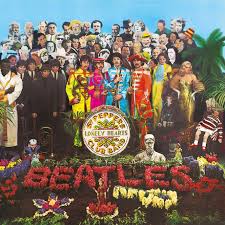
#141: Sgt. Pepper's Lonely Hearts Club Band (1967)
Artist: The Beatles
Parlophone / Capitol Records
When assembling a massive, deeply personal ranking of essential music, certain albums eventually lock into a massive plateau of unbreakable ties. Sgt. Pepper's Lonely Hearts Club Band easily resides in that rarefied air. Released in the summer of 1967, it represents the exact moment The Beatles ceased being a touring rock band and fully embraced the recording studio as a limitless compositional tool. Adopting the alter-egos of a fictional Edwardian military band to escape the suffocating pressures of their own immense fame, John, Paul, George, and Ringo—alongside the brilliant production of George Martin—rewrote the textbook on sonic experimentation. From the tape loops and fairground organs of "Being for the Benefit of Mr. Kite!" to the towering, apocalyptic orchestral crescendo of the closing masterpiece, "A Day in the Life," the album is a staggering technical achievement. Built by meticulously bouncing down limitations of four-track tape, it remains the defining cultural artifact of the 1960s psychedelic revolution. Seek out the original mono mix and then Giles Martin's 2017 stereo mix.
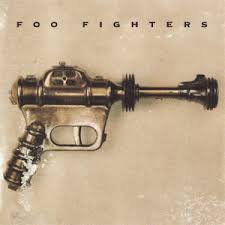
#142: Foo Fighters (1995)
Artist: Foo Fighters
Roswell / Capitol Records
Operating as a crucial lifeline following the tragic dissolution of Nirvana, the 1995 eponymous debut of Foo Fighters is one of the most famous and triumphant solo recordings in alternative rock history. Seeking a quiet, low-pressure environment to process his grief, Dave Grohl entered the studio and meticulously tracked the entire album himself, seamlessly jumping between drums, bass, guitars, and vocals. The sole exception to this staggering, one-man performance is a single guest guitar solo provided by the Afghan Whigs' Greg Dulli on the track "X-Static." Interestingly, for collectors pouring over the physical media, the original CD insert features photography of Grohl alongside Pat Smear, Nate Mendel, and William Goldsmith, deliberately presenting the illusion of a fully formed band to the public before they had even officially functioned as a unit. Packed with massive, melodic, power-pop anthems like "This Is a Call" and "I'll Stick Around," the record successfully launched what would become one of the biggest rock bands in the world, built entirely on the foundation of one man's relentless creative drive.
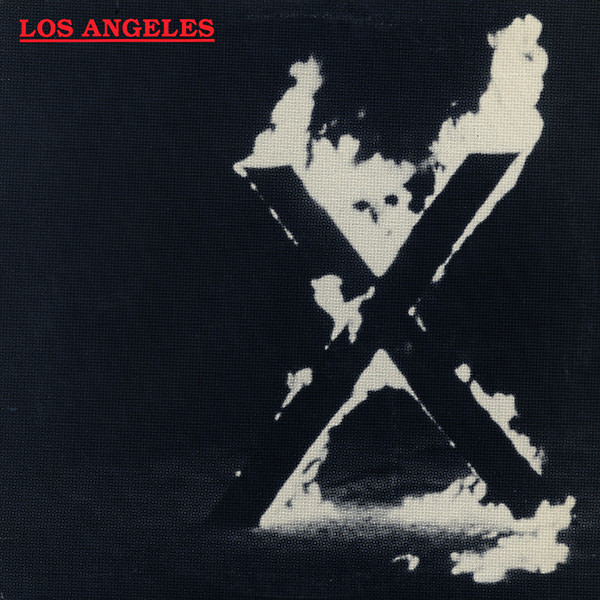
#143: Los Angeles (1980)
Artist: X
Slash Records
Operating as the literary, darkly glamorous heart of the West Coast punk explosion, X's 1980 debut Los Angeles stands as one of the greatest first records in rock history. While their local contemporaries were pushing the boundaries of aggressive, high-speed hardcore, X forged an entirely unique sound by filtering roots-rock, rockabilly, and country through a distorted, hyper-kinetic punk rock lens. The musical foundation is fiercely driven by Billy Zoom's masterful rockabilly guitar lines and DJ Bonebrake's tribal rhythms, but the album is ultimately defined by the poetic brilliance of front-duo John Doe and Exene Cervenka. Their signature, off-kilter vocal harmonies deliver gritty, desperate, and hauntingly beautiful narratives about the decaying margins of Hollywood. Brilliantly forging a direct link to the city's dark rock lineage, the album was produced by Ray Manzarek of The Doors (who also contributed some keyboard parts here and there, particularly on "Nausea" and "The World's A Mess, It's In My Kiss"), cementing its status as an undisputed, foundational masterpiece of American underground music.
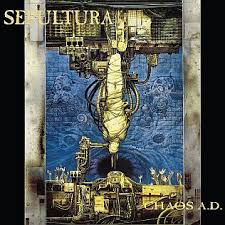
#144: Chaos A.D. (1993)
Artist: Sepultura
Roadrunner / Epic Records
Representing a monumental turning point not just for the band, but for heavy metal as a whole, 1993's Chaos A.D. is the exact moment Sepultura entirely transcended their underground thrash roots. Backed by major label distribution and the massive, pristine sonic weight of A-list producer Andy Wallace (Rollins Band, Slayer, Nirvana), the classic lineup boldly decelerated their tempos. Instead of relying on sheer speed, they weaponized mid-tempo, down-tuned groove, paving the way for an entirely new era of heavy music. Crucially, the album also marks the band's initial, brilliant integration of native Brazilian tribal rhythms into their crushing sonic assault, perfectly executed by Igor Cavalera's powerhouse drumming. Driven by Max Cavalera's ferocious political and social lyricism, legendary tracks like "Refuse/Resist," "Territory," and "Biotech Is Godzilla" (the latter with lyrics by Jello Biafra) hit with the force of an absolute sledgehammer. It is a creative triumph that allowed Sepultura to rise completely above their peers and claim a spot as one of the most vital metal bands on the planet.
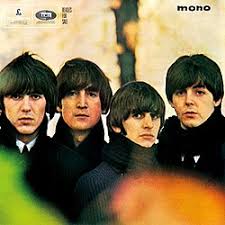
#145: Beatles For Sale (1964)
Artist: The Beatles
Parlophone Records
Operating as a raw, fascinating documentary of a band pushed to their absolute physical limits, late 1964's Beatles For Sale captures John, Paul, George, and Ringo taking stock of a whirlwind 18 months of global fame. Rushed back into the studio to meet the relentless demands of the holiday market, the band was forced to rely on their sheer muscle memory. It marks the final time they would heavily pad a tracklist with the rockabilly and R&B covers — like those from Chuck Berry and Carl Perkins — that had defined their scrappy, grueling Hamburg residency days. Yet, this necessary looking back is perfectly counterbalanced by a massive leap forward in their original material. Heavily influenced by their recent introduction to Bob Dylan, John Lennon’s songwriting takes a brilliantly dark, introspective turn. The acoustic, folk-driven melancholy of tracks like "No Reply" and "I'm a Loser" completely strips away their early, sunny pop optimism, laying the crucial, mature groundwork for the unparalleled evolution that was waiting just around the corner.
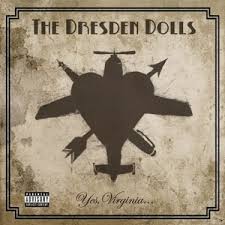
#146: Yes, Virginia... (2006)
Artist: The Dresden Dolls
Roadrunner Records
Operating completely outside the established boundaries of the mid-2000s alternative scene, The Dresden Dolls’ 2006 sophomore effort, Yes, Virginia..., is a brilliant, theatrical masterclass in what the duo dubbed "Brechtian punk cabaret." Expanding on the raw, vaudevillian charm of their debut, Amanda Palmer and Brian Viglione utilized a sharper, heavier studio production to capture the true, unhinged energy of their live performances. The musical interplay between the two is astonishing; Palmer attacks the grand piano with a fierce, percussive intensity, hammering out massive, staccato rhythms that completely eliminate the need for a traditional bass player or guitarist. In perfect tandem, Viglione delivers an incredibly dynamic, highly expressive drum performance that swings wildly from delicate jazz articulation to explosive, punishing punk fills — and also handles a lot of the guitar and bass work in the studio as well. Driven by Palmer’s razor-sharp, emotionally bleeding lyricism on standout tracks like "My Alcoholic Friends" and "Backstabber," the album stands as a fiercely unique, piano-driven monument to outsider art and theatrical rock.
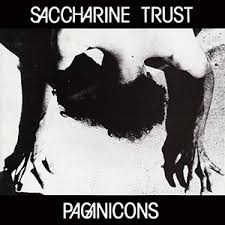
#147: Paganicons (1981)
Artist: Saccharine Trust
SST Records
Operating as one of the most uniquely challenging and avant-garde entries in the legendary early SST Records catalog, Saccharine Trust's 1981 debut EP, Paganicons, completely rewired the DNA of Southern California punk. Brought to the label through the direct championing of the Minutemen's Mike Watt — in a beautiful continuation of the underground community paying it forward — the band eschewed the breakneck velocity of their hardcore peers in favor of something far more nervous and intellectual. Frontman Jack Brewer anchors the record not with traditional punk shouting or a snotty Iggy-esque singing voice, but with a manic, rhythmic delivery of beat-style street poetry. This provided the perfect focal point for guitarist Joe Baiza to weave his jagged, dissonant, and highly jazz-inflected guitar lines. Far from the three-chord standard, it is an angular, complex masterpiece of proto-post-hardcore that famously influenced a generation of noise-rock musicians, standing as a vital testament to the boundless creative freedom of the 1980s American underground.
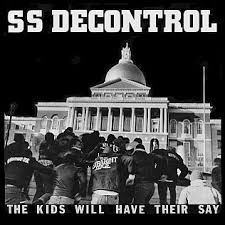
#148: The Kids Will Have Their Say (1982)
Artist: SS Decontrol
XClaim! / Dischord Records
Operating as the undisputed ground zero for the militant, straight-edge Boston hardcore scene, SS Decontrol's 1982 debut, The Kids Will Have Their Say, is one of the most legendary and fiercely guarded artifacts in punk history. Released as a joint venture between the band's own XClaim! label and Ian MacKaye's Dischord Records (famously cataloged as Dischord No. 7½), the album is a blistering, hyper-aggressive blast of youth crew fury. Driven by Al Barile's uncompromising, incredibly rigid guitar work and Springa's chaotic, unhinged vocal delivery, it completely codified the aggressive Boston sound. Because the original pressing was strictly limited and stubbornly remained officially out of print for decades until Trust Records stepped to the plate, acquiring the record became a genuine rite of passage for dedicated collectors. For years, fans had to either settle for the incomplete Power compilation on Taang! Records or rely entirely on shadowy, underground bootleg pressings — like those from the infamous "Suicida" label, who at least had the decency to shout out XClaim and Dischord on the back cover — just to experience this absolute foundational pillar of the American underground.
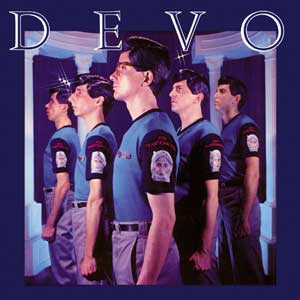
#149: New Traditionalists (1981)
Artist: Devo
Warner Bros. Records / Virgin Records
Tasked with following up the massive, mainstream commercial breakthrough of Freedom of Choice, Devo responded in the most perfectly subversive way possible. Released in 1981, New Traditionalists is a significantly darker, more cynical, and heavily synthesized masterpiece. Trading their iconic yellow hazard suits for plastic JFK-style hairpieces, the band launched a brilliant satirical attack on right-wing politics, consumerism, and societal regression. From a production standpoint, the album is an absolute goldmine of classic analog synthesis. Guitars are largely pushed to the margins, allowing the icy precision of the Minimoog and the lush, polyphonic textures of the Prophet-5 to drive the rhythmic foundation of the record. Featuring standout tracks like "Through Being Cool," "Beautiful World," and (on a bonus 45 and later as a CD bonus track) their mechanical, robotic reimagining of "Working in the Coal Mine," it serves as a crucial, brilliant bridge between their jittery punk origins and the highly sequenced synth-pop landscape that would define the ensuing decade.
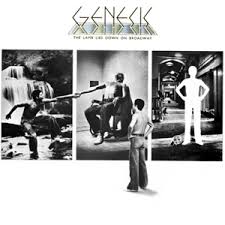
#150: The Lamb Lies Down on Broadway (1974)
Artist: Genesis
Charisma Records / Atlantic Records
Operating as one of the most ambitious, dense, and polarizing double albums of the progressive rock era, 1974's The Lamb Lies Down on Broadway serves as Peter Gabriel's grand, theatrical swan song with Genesis. Deliberately abandoning the pastoral, English folk-mythology of their earlier masterpieces, Gabriel steered the band's conceptual focus toward the gritty, surreal, and unforgiving streets of New York City. The narrative follows a Puerto Rican youth named Rael as he descends into a bizarre, psychological underworld — concept that heavily parallels, and arguably prefigures, other famous rock operas of the decade. Musically, the band delivers a stunningly complex, hard-edged performance. Tony Banks weaves an absolute masterclass in early analog synthesis, utilizing the ARP Pro Soloist and Mellotron to build towering, cinematic atmospheres, while Phil Collins and Mike Rutherford provide a wildly intricate, driving rhythmic foundation. It remains a deeply challenging, labyrinthine masterpiece that rewards endless, dedicated listening.