

Favorites: Albums — 26 to 50
My innocent teenage self survived listening to album 26 in 1982 and I lived to tell about it.
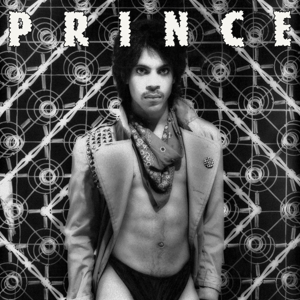
#26: Dirty Mind (1980)
Artist: Prince
Warner Bros.
Officially kicking off the second page of the list is a record that completely rewrote the rules of funk, rock, and R&B. Dirty Mind is the exact moment Prince stopped playing the industry game and fully embraced his own genius. What makes this album so undeniable is its raw, almost demo-like production quality. It has the aggressive, stripped-down DIY energy of a punk record, but it's built on a foundation of razor-sharp rhythm guitar and heavy, driving synthesizers. Playing nearly every instrument himself, Prince seamlessly fused new wave aesthetics with relentless funk grooves and unapologetically explicit lyricism. It is a lean, jagged, and heavily synthesized masterpiece that proves absolute minimalism can hit just as hard as a wall of sound.
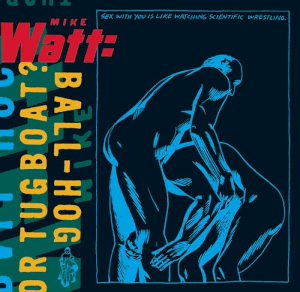
#27: Ball-Hog or Tugboat? (1995)
Artist: Mike Watt
Columbia
This album is the ultimate testament to the sheer respect Mike Watt commands across the entire underground and alternative rock spectrum. He assembled an absolute dream team of musicians — heavy hitters from Sonic Youth, Nirvana, the Beastie Boys, and Parliament-Funkadelic, just to name a few — to help realize his vision. The title itself brilliantly questions the role of the bassist: are you stepping on toes and hogging the spotlight, or are you the tugboat guiding the whole operation safely into harbor? Having been close friends with Watt since 1997, and eventually having the absolute honor of him playing on one of my own tracks, I understand exactly why so many legends lined up to be on this record. He is a singular force of nature, and this album captures his restless, collaborative, and fiercely DIY spirit perfectly.
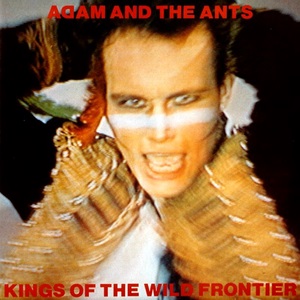
#28: Kings Of The Wild Frontier (1980)
Artist: Adam and the Ants
Epic
This album holds a massive place in my personal history. I bought this record on the exact same day I picked up Public Image Ltd's First Issue for my 14th birthday in 1981. That is a heavy sonic double feature for a fourteen-year-old, and both albums ended up completely rewiring my musical DNA. While the massive, tribal Burundi drum beats usually get all the attention when critics talk about this record, it was the driving, rhythmic basslines that really hooked me. The brilliant piece of behind-the-scenes trivia here is that, despite the official lineup credits, it was Adam Ant himself who actually laid down these bass tracks because Kevin Mooney wasn't up to the task. Adam's uncredited playing flawlessly anchored all that chaotic, new romantic pirate-punk energy and served as a major influence on my own bass playing going forward. It is a brilliant, wildly theatrical album that still sounds like absolutely nothing else.
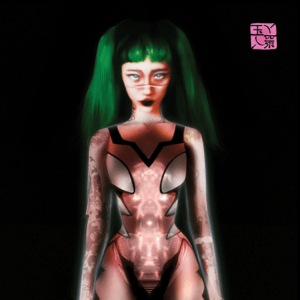
#29: Glitch Princess (2022)
Artist: yeule
Bayonet Records
Bringing yeule back into the mix for another top-tier spot! Glitch Princess is the crucial bridge between the pristine dream-pop of their early work and the heavy, guitar-driven noise of their later releases. It is a completely unfiltered, deeply experimental record that uses abrasive electronic textures and fractured beats to create something incredibly raw and vulnerable. The production is a chaotic, beautiful mess of ambient soundscapes and aggressive hyperpop elements. It’s a challenging, brilliant listen that cements this era of their discography as absolutely essential to my collection.
#30: Pulse Demon (1996)
Artist: Merzbow
Release Entertainment
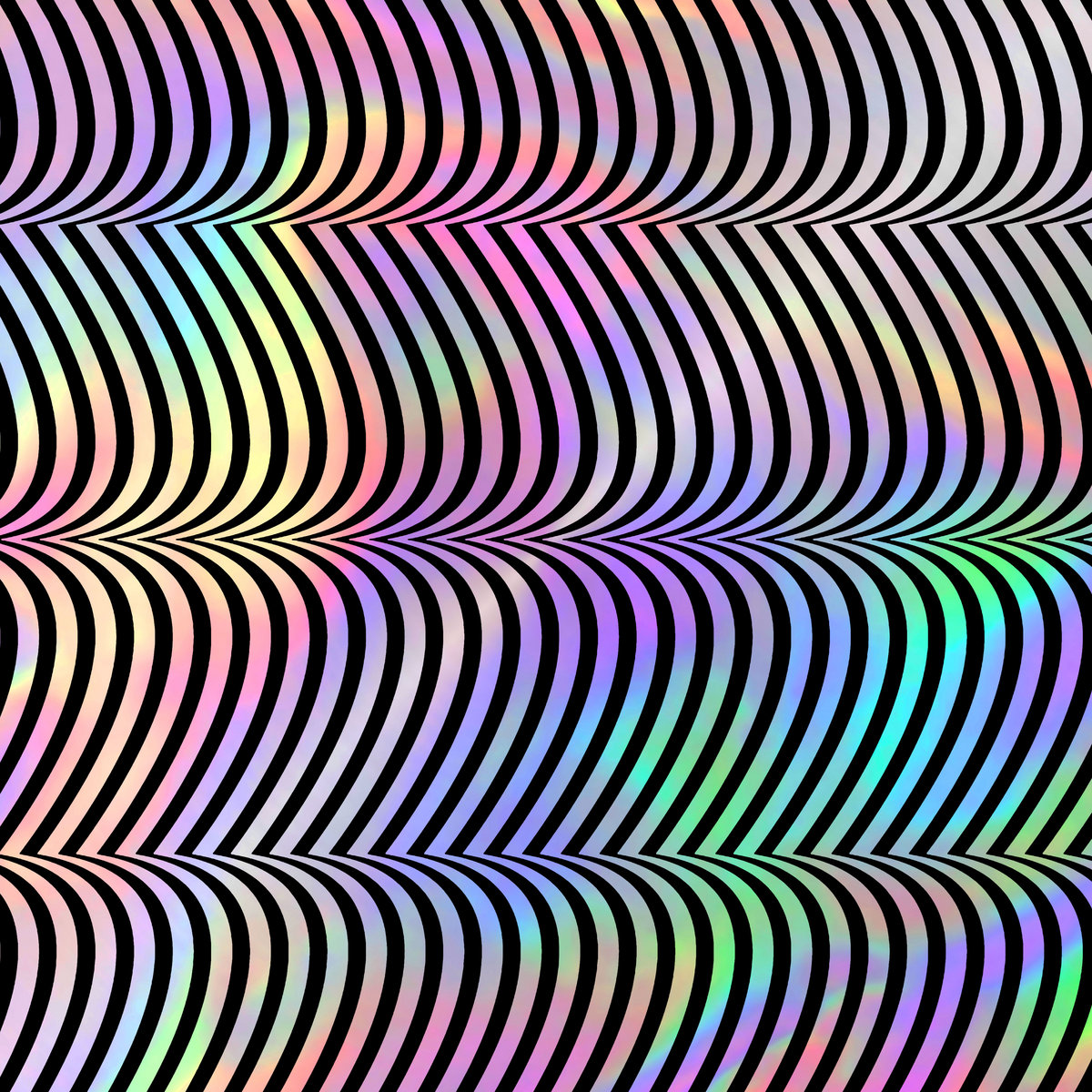
To the uninitiated, placing the most notorious Japanese harsh noise album of all time on a favorites list might seem like a pure endurance test, but I shit thee not: this album calms like absolutely no other. Masami Akita constructed a towering, unrelenting wall of blown-out electronics, blistering feedback, and screeching frequencies that is so aggressively dense it actually crosses the threshold into pure zen. It acts as an acoustic sensory deprivation tank. It completely overloads the brain's ability to process external stimuli, drowning out every single distraction and anxious thought in the room. When you surrender to the sheer volume and texture of it, the chaos miraculously flatlines into the most abrasive, cathartic meditation session imaginable.
#31: Fear Of A Black Planet (1990)
Artist: Public Enemy
Def Jam / Columbia
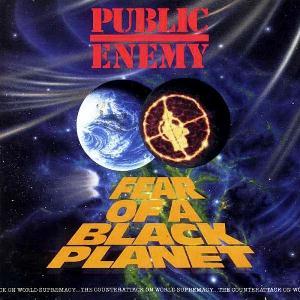
This album is an absolute landmark of hip-hop production, but its physical format history is a perfect lesson in mastering limitations. I originally bought this on CD right on release day to experience the Bomb Squad's dense, chaotic wall of samples in full fidelity (also, to be perfectly honest, I was buying very little vinyl back then). Almost 25 years later, I managed to stumble across a gently used vinyl copy for a mere eight bucks at Gallery of Sound and absolutely had to grab it. Despite the great find, the truth is that the original pressing of this record is historically best heard on CD. In 1990, Columbia inexplicably decided to cram all sixty minutes of this incredibly bass-heavy album onto a single record, completely neutering the low end (something Chuck D complained about in a Keyboard Magazine interview from this period). It took until the Vinyl Me Please edition a few years ago for the album to finally get the proper, heavy-hitting double-LP release those massive grooves always demanded.

#32: Born Pink (2022)
Artist: BLACKPINK
YG Entertainment / Interscope
Bringing some massive global K-Pop energy into the top tiers of the list! Born Pink is an absolute flex of a record that doesn't waste a single second of its runtime. It perfectly distills everything that makes the group an unstoppable force into a tight, fiercely produced album. Whether it's leaning into aggressive, bass-heavy hip-hop beats or massive, stadium-ready pop hooks, the production is pristine. But the true draw is how perfectly the group balances their dynamic. The way Rosé effortlessly carries the emotional weight and soaring melodies of the vocal arrangements provides the ultimate counterpunch to Lisa stepping in and absolutely destroying her rap verses with pure, unadulterated swagger. And speaking of unadulterated, I remember seeing my fellow Blinks on Reddit being rather ecstatic about hearing Our Queens effortlessly drop the F-bomb repeatedly in "Tally". It is a wildly confident, flawlessly executed pop record that demands its spot in the rotation.
#33: Reckoning (1984)
Artist: R.E.M.
I.R.S. Records
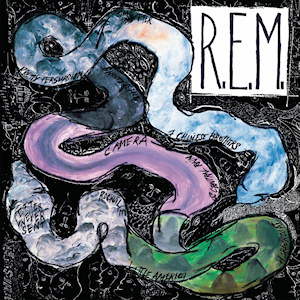
Following up a debut as universally praised as Murmur is usually an impossible task, but R.E.M. pulled it off by completely leaning into their raw live energy. Recorded in roughly two weeks, Reckoning is urgent, jangly, and beautifully unpolished. While Peter Buck’s Rickenbacker arpeggios and Michael Stipe's cryptic vocals usually take the spotlight in discussions about the birth of 80s college rock, this album is a masterclass in melodic low-end. Mike Mills’ incredibly active, driving basslines—specifically on tracks like "Pretty Persuasion" and "(Don't Go Back To) Rockville"—are the secret engine keeping the entire operation moving forward. It is a flawless snapshot of the American underground right at the exact moment it started to bubble up to the surface, and an absolute necessity for the collection.
#34: Freedom of Choice (1980)
Artist: Devo
Warner Bros.
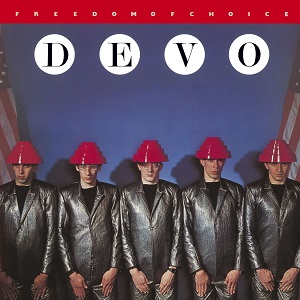
This album is permanently tied to a very specific high school memory. I picked this up on the exact same night as The Police's Zenyatta Mondatta, and instead of cramming, I spent the entire Friday night binge-listening to both of them on headphones. It was the night before I had to make an extracurricular Saturday trip to school to take the SATs (spoiler alert: I passed). While casual history and radio programmers heavily fixate on the massive hits like "Whip It," "Girl U Want," and the iconic title track, stopping there is a massive disservice to the band. Anyone willing to dive into the rest of the tracklist is deeply rewarded. It is a brilliant, airtight masterpiece of cynical, synth-driven new wave where Devo perfectly balanced their robotic, avant-garde philosophies with razor-sharp pop songwriting.
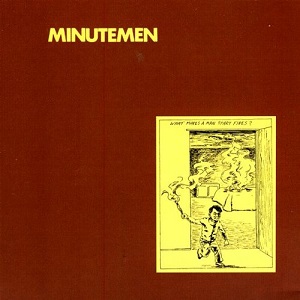
#35: What Makes a Man Start Fires? (1983)
Artist: Minutemen
SST Records
The personal lore attached to my copy of this record is immense. I originally bought it direct from SST via mail order, alongside Black Flag's Everything Went Black, without having heard a single note. My only guide was a rave review in Trouser Press magazine, and it paid off brilliantly. Years later, my friend Mike Watt personally shared two incredible pieces of trivia with me about this record. First, he considers it a "strange Minutemen album" because it's the only one where he wrote all the music himself (though all three members wrote the lyrics). Second, the bass he played on the album was purchased from Fear's Derf Scratch — the exact same bass Derf played on Fear's debut The Record, their legendary Saturday Night Live appearance, and American Top 40! Considering how much I revere Fear's discography — right down to tracking down their massive 6-CD box set — that instrument's history is mind-blowing. In 2003, after years of online correspondence, I finally met Watt in person. I deliberately left the vinyl at home and handed him the empty jacket. He smiled, asked, "Oh, you want me to write on this for you, huh?" and signed it: "love and bass, mike watt." One day soon, I need to order a new playing copy so this original jacket can finally get the framing treatment it deserves.
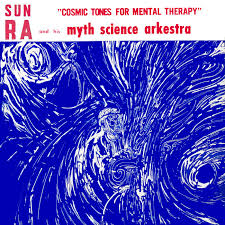
#36: Cosmic Tones For Mental Therapy (1967)
Artist: Sun Ra and his Myth Science Arkestra
El Saturn /
Evidence
Stepping fully into the avant-garde cosmos with this entry. This was my second foray into the massive, intimidating Sun Ra discography, serving as the follow-up to a gently used Impulse/ABC vinyl copy of Atlantis. It also marks a format milestone for the collection, as it was my very first Sun Ra CD. Specifically, it was the original Evidence Records CD reissue that brilliantly paired the album with Art Forms of Dimensions Tomorrow. The title of this record could not be more accurate. It is an absolute, hypnotic trip where the recording studio itself is treated as an instrument. Driven by cavernous, otherworldly reverb, bizarre polyrhythms, and incredibly experimental electronic keyboard textures, Sun Ra crafted an alien landscape that sounded completely disconnected from traditional jazz. It is a deep, psychedelic exploration of sound that continues to blow my mind. (And speaking of mind-blowing and this album: I had written Evidence a letter complimenting them on the sound quality of the CD, and Evidence's owner actually called me and thanked me for writing, as well as telling me that Atlantis was going to be in the next batch of Evidence Sun Ra reissues.)
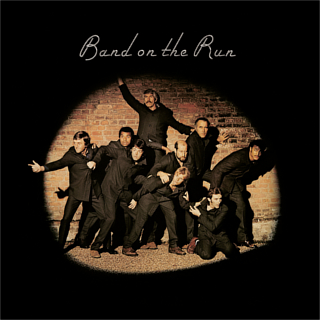
#37: Band on the Run (1973)
Artist: Paul McCartney & Wings
Apple
Around the time this album was released, a hyperactive seven-year-old me was completely fixated on wanting to play the drums (honestly, what seven-year-old doesn't want to just hit things with sticks?). I was spinning this record constantly. Seeing my obsession, my mother pointed at the cover and gave me the single best piece of musical advice I ever received: "You should learn how to play multiple instruments, because that's what Paul McCartney does on his albums and what Todd Rundgren does on Something/Anything." It was incredibly prescient advice that entirely laid the groundwork for my own multi-instrumental approach to recording (although most of my drum parts on my recordings have ended up being programmed)! Beyond that profound personal connection, the album itself is an absolute triumph of pop-rock songwriting born out of pure chaos. Right before departing to record in Lagos, Nigeria, half the band abruptly quit, leaving just Paul, Linda, and Denny Laine. Forced into a corner, Paul ended up tracking the vast majority of the instrumentation himself — including those spectacular, driving drum grooves I was so obsessed with. From the ambitious, multi-part suite of the title track to the relentless swagger of "Jet" and the heavy blues of "Let Me Roll It," it is McCartney operating at his absolute peak. It proves that sometimes a studio crisis is the exact catalyst needed to forge a flawless masterpiece.
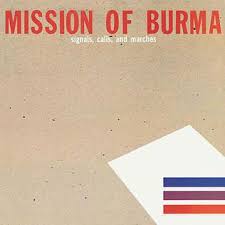
#38: Signals, Calls, and Marches (1981)
Artist: Mission of Burma
Ace of Hearts
This EP is an absolute cornerstone of American post-punk and an essential document of a band operating on a completely different intellectual and sonic wavelength than their peers. Mission of Burma perfectly balanced raw, bruising volume with genuine avant-garde experimentation. Clint Conley’s incredibly melodic, driving basslines serve as the absolute structural core of the record, anchoring massive, anthemic tracks like "That's When I Reach for My Revolver" and "Academy Fight Song." But the true secret weapon of this release is Martin Swope. Operating as a phantom fourth member, his live tape manipulations and audio loops fed the band's own abrasive noise right back at them, adding a layer of experimental texture that was years ahead of its time. It is a brainy, visceral, and totally flawless release that laid the groundwork for decades of indie rock to come.
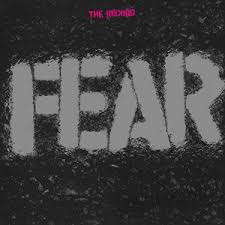
#39: The Record (1982)
Artist: Fear
Slash
We already set the stage for this entry a few spots ago by talking about Derf Scratch's bass, but it is time to give the actual album its proper due. The Record is an absolute pillar of the Los Angeles hardcore punk movement. While Lee Ving’s aggressively antagonistic frontman persona and the band's notoriously chaotic, stage-destroying performance on Saturday Night Live -- the night that made me a punk rocker for life -- usually dominate their historical footprint, what really makes this album a masterpiece is the sheer musical proficiency. Underneath the sneering, unapologetic lyrics, Fear was operating with a level of speed, precision, and complex time signatures that blew most of their punk peers out of the water. Lee Ving's vocals, Philo Cramer's divebombing guitar, Derf Scratch's pick-driven bottom end (and his No Wave/free jazz sax on "New York's Alright If You Like Saxophones"), and Spit Stix's tight drum work are insane in any musical context, let alone punk. Having waited two years for Fear Records/Atom Age's 6-CD deluxe box set of this album to land on my doorstep (it arrived in 2025 after being pre-ordered in 2023), I can confidently say that this debut remains their undeniable crown jewel. It is a brilliant, sarcastically offensive, and incredibly tight blast of pure punk rock energy.
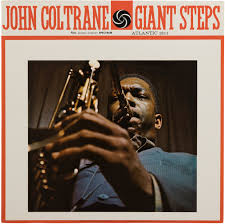
#40: Giant Steps (1960)
Artist: John Coltrane
Atlantic
This album is the ultimate proving ground for musicianship. If earlier entries on this list represent the boundless, rule-breaking freedom of the avant-garde, Giant Steps represents the absolute peak of complex, terrifyingly fast harmonic structure. Coltrane famously pushed the boundaries of what was physically and mathematically possible within a chord progression, unleashing his signature "sheets of sound." The title track moves at such a blistering, unpredictable pace that pianist Tommy Flanagan was famously caught off guard during the session, resulting in a recorded solo where you can audibly hear him fighting just to survive the tempest Coltrane created. Yet, beneath that virtuosic hurricane, Paul Chambers lays down absolutely flawless, relentless walking basslines, proving that no matter how complex the melody gets, you still need a rock-solid low end to keep the entire operation from flying off the rails. It is a mandatory, awe-inspiring masterpiece.
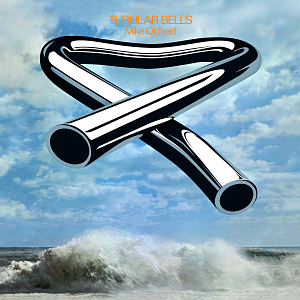
#41: Tubular Bells (1973)
Artist: Mike Oldfield
Virgin
This album is a monumental piece of progressive instrumental history with a legendary backstory to match. It famously served as the very first release on Richard Branson's newly formed Virgin Records, single-handedly bankrolling the label's early existence. It is staggering to consider that Mike Oldfield was only 19 years old when he recorded it, painstakingly overdubbing almost every single instrument himself to build its massive, hypnotic tapestry of sound. While the general public will forever associate its eerie opening piano motif with the cinematic terror of The Exorcist (side note: I never saw the movie), for a physical media collector, the album is a goldmine in its own right. I currently own multiple LP copies of this masterpiece, a collection highlighted by an original Virgin/Atlantic pressing featuring the iconic "colored twins" center label, as well as a rare quadraphonic edition that takes Oldfield's dense, immersive production to an entirely different, room-spinning level of sonic depth.
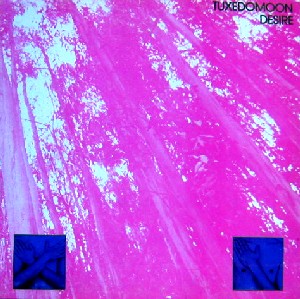
#42: Desire (1981)
Artist: Tuxedomoon
Ralph Records
Securing a spot on the list just as it celebrates its 45th anniversary with a brilliant special edition reissue, Desire is an absolute cult masterpiece that still sounds like it belongs to its own bizarre, isolated timeline. While the rest of the post-punk world was heavily focused on angular guitars, Tuxedomoon was building incredibly anxious, cinematic soundscapes using early drum machines, sweeping synthesizers, and avant-garde saxophone. It is a deeply theatrical, brooding record. However, the true glue holding all of this brilliant sonic weirdness together is the late Peter Principle’s bass playing. Much like the best post-punk rhythm sections of the era, his driving, dub-influenced low end provides the absolute structural anchor for the album, keeping the band's avant-garde electronics tethered to a relentless, infectious groove. It is a mandatory listen for anyone who appreciates the darker, more experimental edges of the early '80s underground.
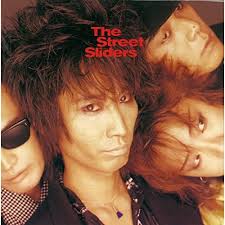
#43: Tenshi Tachi (Angels) (1986)
Artist: The Street Sliders
Epic/Sony
This album is an absolute hidden gem of 1980s Japanese rock that completely validates the power of global tape-trading. Released in late 1986 as the band's fifth studio album, Tenshi Tachi finds The Street Sliders at the absolute peak of their swagger, perfectly crystallizing their gritty, street-level rock and roll on tracks like "Boys Jump The Midnight" and "Angel Duster." My personal introduction to this masterpiece came in 1987, when a Japanese pen pal sent me a batch of home-recorded cassette tapes featuring her favorite albums. The moment I hit play on this one, I was completely hooked. To my ears, it brilliantly walks the exact fine line between the raw, expansive punk energy of The Clash's London Calling and the sleazy, effortless blues-rock groove of The Rolling Stones' Tattoo You. It made such a massive, lasting impression that a couple of decades later, I made sure to track down both a CD edition and a pristine, well-kept vinyl copy imported straight from Japan to properly enshrine it in the collection.
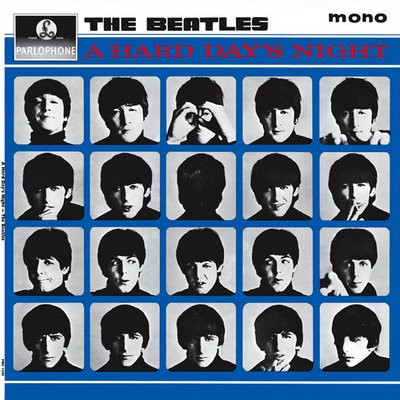
#44: A Hard Day's Night (1964)
Artist: The Beatles
Parlophone
Coming in as my second-favorite Beatles album of all time, but with a massive, non-negotiable caveat: this entry strictly honors the proper UK edition in the original mono mix. For a physical media purist, that distinction is everything. In 1964, the mono mix was the definitive version that the band and George Martin actually spent time crafting, making it punchier, tighter, and vastly superior to the jarring, hard-panned stereo afterthoughts. Musically, this album captures the absolute zenith of Beatlemania and stands as a unique milestone in their catalog, being the only Beatles record consisting entirely of Lennon-McCartney original compositions (and the only Beatles studio album without a Ringo lead vocal). From the iconic, ringing opening chord (Fadd9/D) of the title track to the driving acoustic rhythm of "I'll Cry Instead," it is a flawless, high-energy pop masterclass that demands to be heard exactly as it was originally intended.
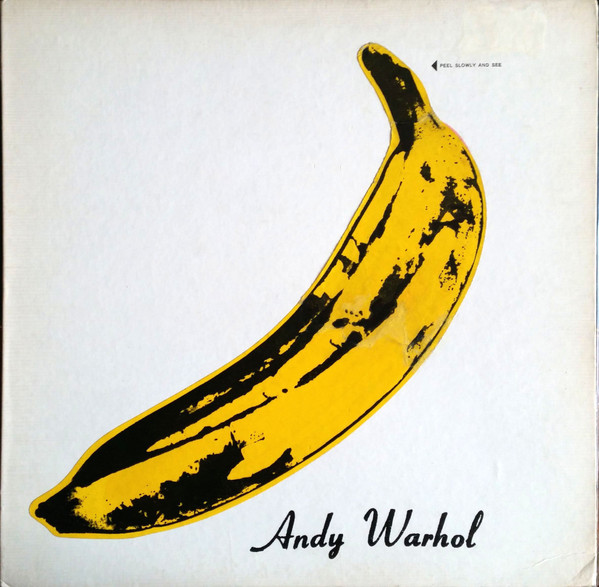
#45: The Velvet Underground & Nico (1967)
Artist: The Velvet Underground & Nico
Verve
This record is the absolute Ground Zero for alternative music. Looking at the punk, post-punk, and avant-garde noise records that populate the rest of this list, it is impossible not to trace their DNA straight back to this exact album. Released in the middle of the 1967 "Summer of Love," it completely rejected hippie idealism in favor of street-level grit, abrasive volume, and taboo lyricism. Lou Reed's detached, brilliant songwriting and aggressive guitar work, paired with John Cale's terrifying, droning electric viola on tracks like "Venus in Furs" and "Heroin," basically invented noise rock on the spot. Anchored by Maureen Tucker's primal, hypnotic drum patterns and Nico's icy, detached vocal delivery, it is a dangerous, brilliant masterpiece. The famous Brian Eno quote states that while this record didn't sell many copies upon release, everyone who bought one started a band. Listening to it now, it is incredibly easy to understand why.
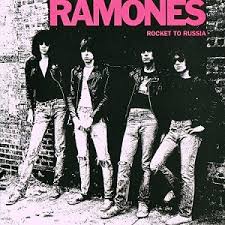
#46: Rocket to Russia (1977)
Artist: Ramones
Sire
This is the absolute apex of the Ramones' formula. If their debut laid the foundation and Leave Home worked out the kinks, Rocket to Russia is the exact moment they perfectly balanced their buzzsaw punk aggression with pure, unadulterated 1960s bubblegum pop. It is arguably the tightest and most cohesive record in their entire discography. Tracks like "Rockaway Beach," "Sheena Is a Punk Rocker," and "Teenage Lobotomy" are masterclasses in economic songwriting — stripping away absolutely everything unnecessary until only the hook remains. For a bassist, studying Dee Dee Ramone's playing on this record is a lesson in sheer physical endurance; his relentless, high-speed downpicking is the undeniable motor that keeps the entire operation flying at terminal velocity. It is a flawless punk rock record that never wastes a single second of its runtime.
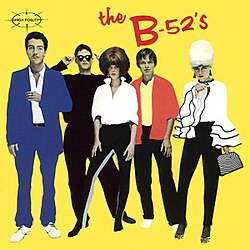
#47: The B-52's (1979)
Artist: The B-52's
Warner Bros.
This album is an absolute cornerstone of the American new wave movement that completely defied the standard punk and post-punk templates of the late 1970s. Emerging from Athens, Georgia, the band created an incredibly infectious, bizarre collision of surf-rock guitars, thrift-store sci-fi kitsch, and brilliant, wailing vocal harmonies. The late Ricky Wilson’s completely unorthodox, missing-string open guitar tunings provided the jagged rhythmic drive that defined their sound. From a low-end perspective, it is a fascinating record because the band eschewed a traditional bass guitar. Instead, Kate Pierson (and Fred Schneider on "Hero Worship") anchored the tracks using a Fender Rhodes keyboard bass — the exact same instrument popularized by Ray Manzarek of The Doors. The result is a heavy, thumping low end that perfectly drives the dance-floor frenzy of iconic tracks like "Rock Lobster" and "Planet Claire." Much like Devo, they masterfully smuggled wildly avant-garde, subversive sensibilities into the mainstream by disguising them as flawless, high-energy pop music.
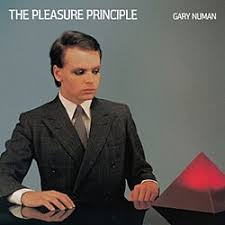
#48: The Pleasure Principle (1979)
Artist: Gary Numan
Beggars Banquet / Atco
This is another genuinely life-changing record for me, and an absolute foundational text for modern electronic music. In a wildly bold move for 1979, Gary Numan completely banished traditional six-string guitars from the studio. Instead, the album is driven entirely by a tight rhythm section and an expansive array of synthesizers. The brilliant, defining sonic trick of this album is how Numan treated those electronics: by running his Moog synthesizers directly through guitar effects pedals, he gave them a heavy, aggressive growl that bit with the exact same ferocity as a distorted amplifier. Because there were no rhythm guitars cluttering the mix, the late Paul Gardiner’s incredibly melodic, driving bass playing was given massive amounts of room to breathe, effectively serving as the organic, pulsing heartbeat of the entire record. (Coincidentally, Numan wrote this album's biggest hit and his best known song, "Cars", on a Fender bass he had bought himself!) It is a cold, dystopian, and flawlessly executed masterpiece.
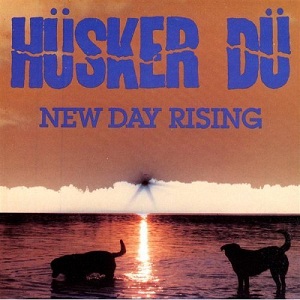
#49: New Day Rising (1985)
Artist: Hüsker Dü
SST Records
Adding another foundational pillar of the SST Records catalog to the countdown. New Day Rising is the exact moment where the blueprint for 1990s alternative rock was officially drafted. Coming hot on the heels of the sprawling Zen Arcade, this album captures the brilliant, hyper-competitive songwriting rivalry between Bob Mould and Grant Hart at its absolute peak. Together, they masterfully fused blistering, high-speed hardcore punk energy with unapologetic, Byrds-esque pop melodies. While the album's production is famously a dense, chaotic wall of treble and distortion, the songwriting on tracks like "Celebrated Summer" and "The Girl Who Lives on Heaven Hill" is so undeniably massive that the hooks effortlessly punch right through the noise. Tying it all together is Greg Norton’s crucial bass work, which acts as the solitary anchor keeping the furious, swirling hurricane of Mould's guitar and Hart's frantic drumming from completely flying off the rails. It is a masterpiece of pure, melodic aggression.
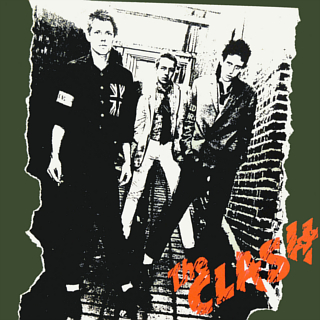
#50: The Clash (UK & US Versions) (1977/1979)
Artist: The Clash
CBS / Epic
Closing out the top 50 with an absolute foundational pillar of punk rock. For this list, I have officially tied both the original UK and the overhauled US versions of this debut, because choosing between them is impossible. The 1977 UK pressing is the raw, furious ground zero of the band's sound, while the 1979 US release acts as a powerhouse compilation, swapping in legendary singles. My own personal introduction to this seismic record happened right in 1979, courtesy of the recently retired George Graham and his legendary Mixed Bag program on WVIA-FM. He spun three or four cuts on the air that night, specifically including "Clash City Rockers" and "I Fought the Law." Hearing those tracks absolutely blew the doors off and cemented the massive importance of that US tracklist. Driven by Joe Strummer and Mick Jones' sneering, dual-guitar attack, and anchored by Paul Simonon's brilliant integration of heavy, reggae-influenced basslines into high-speed punk, this album remains an untouchable masterpiece of the genre.