

Favorites: Albums — 226 to 250
Lunatic of God's creation? Nope, the creation of a music lover that some might think is a lunatic...
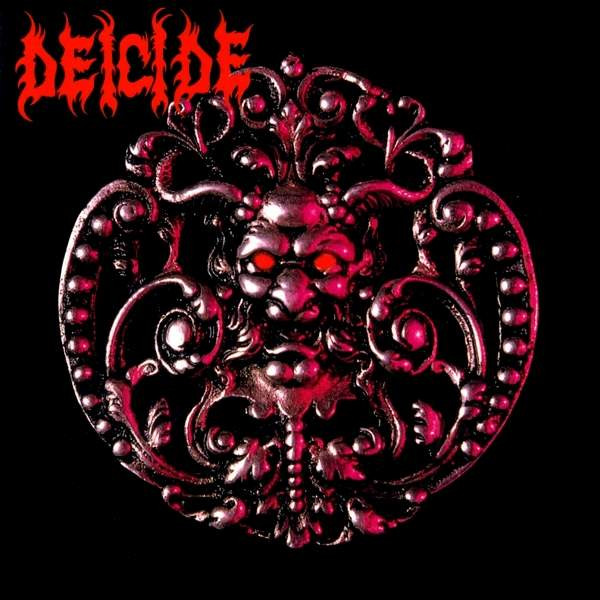
#226: Deicide (1990)
Artist: Deicide
Roadrunner Records
A foundational — and genuinely terrifying — pillar of the early Florida death metal explosion, Deicide's 1990 eponymous debut is a masterclass in extreme, blasphemous aggression. Recorded at the legendary Morrisound Recording studio with producer Scott Burns, the album codified the razor-sharp, heavily gated sonic architecture of the American underground. Frontman Glen Benton fundamentally shifted the boundaries of extreme vocal production on this record, famously utilizing a multi-tracked technique that layered his high-register, shrieking screams (which he'd later fondly refer to as his "grandma in the fruit cellar" voice) directly over his subterranean, demonic gutturals to create an deeply unsettling, dual-voiced possession effect. This towering vocal presence is anchored by the frantic, highly dissonant guitar work of Eric and Brian Hoffman, whose chaotic solos slice through the relentless, airtight drum battery provided by Steve Asheim. Driven by immortal, punishing tracks like "Dead by Dawn" and "Sacrificial Suicide," the record remains a surgically precise, brutally heavy masterpiece that permanently established the dark, uncompromising parameters of the genre.
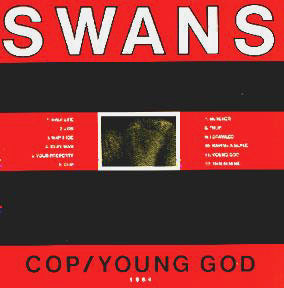
#227: Cop / Young God (1984)
Artist: Swans
K.422 / Neutral Records / Young God Records
The crucial 1984 pairing of Swans' Cop LP and Young God EP (the latter title of which would birth the name of Michael Gira's record label) is an absolute monolith of sonic punishment that fundamentally rewrote the vocabulary of heavy music. Emerging from the bleak, industrial decay of the New York City no wave scene, visionary frontman Michael Gira realized that true sonic terror didn't require extreme speed, but rather agonizingly slow, relentless physical weight. From an engineering perspective, the album's architecture is built purely on structural abuse. Drummer Roli Mosimann minimized the use of cymbals, utilizing deafening, deliberate strikes on his snare and floor toms to create a rigid, lockstep trudge alongside Harry Crosby's suffocating basslines. This impossibly heavy, mechanical grid provides a hostile canvas for Norman Westberg's atonal, scraping guitar noise and Gira's barked, terrifying meditations on power, greed, and subjugation. It is a deeply uncompromising, claustrophobic endurance test that laid the undisputed groundwork for sludge metal and the darkest corners of the industrial underground.
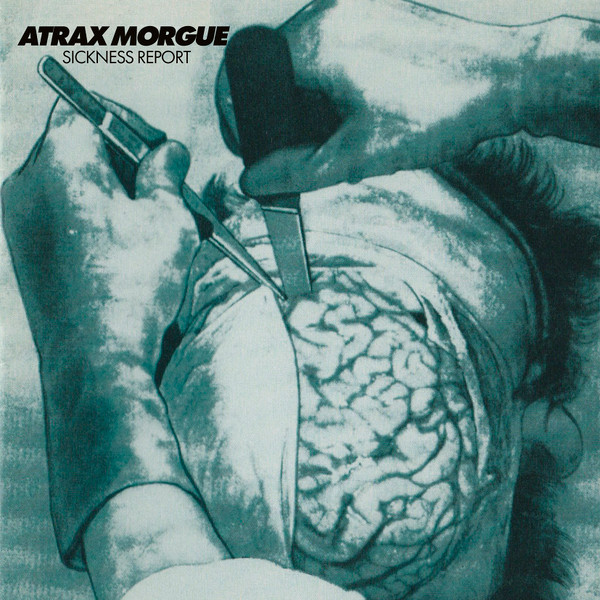
#228: Sickness Report (1996)
Artist: Atrax Morgue
Slaughter Productions / Release
Entertainment
A suffocating, deeply unsettling pillar of the 1990s Italian noise and death industrial underground, Atrax Morgue's 1996 release Sickness Report is an absolute masterclass in psychological audio terror. Masterminded entirely by the late Marco Corbelli and released on his fiercely independent Slaughter Productions label, the album completely abandons traditional musicality and rhythmic grids. From a sound design perspective, the architecture relies heavily on minimal, creeping analog synthesizer drones, piercing frequencies, and harsh, manipulated tape decay. This terrifying, sterile sonic environment provides a flawless canvas for Corbelli’s heavily distorted, agonizing vocal deliveries, which blur the line between whispered confessions and tortured shrieks. Bypassing the aggressive, external volume of standard power electronics, the record opts for a deeply internal, claustrophobic atmosphere. It remains a brilliantly executed, unadulterated artifact of analog sickness that permanently defined the parameters of extreme, pathological noise.
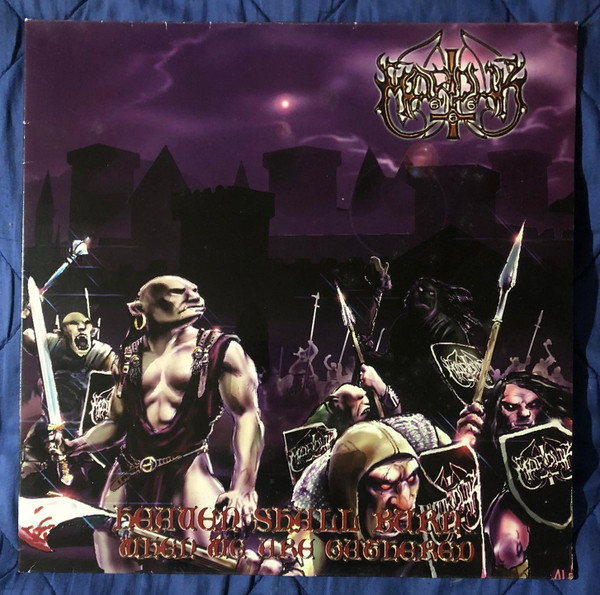
#229: Heaven Shall Burn... When We Are Gathered (1996)
Artist: Marduk
Osmose Productions
Marduk's 1996 release Heaven Shall Burn... When We Are Gathered is an absolute masterclass in extreme velocity, the crucial turning point where underground Swedish black metal evolved into a surgically precise, hyper-kinetic military machine. Bypassing the notoriously lo-fi, muddy production of the genre's origins, the band utilized Peter Tägtgren's legendary Abyss Studio to forge a razor-sharp, heavily disciplined sonic architecture. This pristine, high-fidelity environment perfectly highlights the terrifying, unrelenting blast-beat battery of drummer Fredrik Andersson, whose sheer physical endurance provides an airtight grid for Morgan Håkansson’s massive wall of buzzsaw tremolo picking. Marking the fierce debut of iconic frontman Legion, whose venomous, commanding vocal delivery perfectly slices through the chaotic instrumentation, the album is a relentless adrenaline rush. Anchored by blistering tracks like "Glorification of the Black God" (itself based on Muggorsky's "Night On Bald Mountain", showing Håkansson's love for classical music in the process) it remains a triumphant, violently fast masterpiece that proved extreme metal could embrace professional engineering while remaining entirely uncompromising.
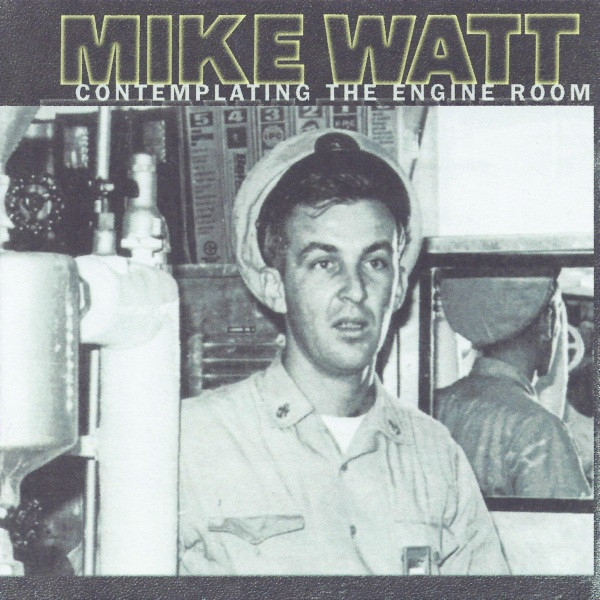
#230: Contemplating the Engine Room (1997)
Artist: Mike Watt
Columbia Records
A profoundly intimate and brilliantly constructed punk rock opera, Mike Watt’s 1997 masterpiece Contemplating the Engine Room completely redefines the narrative capabilities of a power trio. Utilizing a deeply allegorical framework, Watt seamlessly intertwines the blue-collar naval history of his father with the beautiful, tragic trajectory of the Minutemen. To execute this complex cinematic vision, Watt enlisted guitarist Nels Cline and drummer Stephen Hodges, creating a fiercely disciplined, jazz-inflected sonic architecture, mixed with quotes from early Minitemen deep cuts and even a nod to early Boon % Watt heroes Creedence Clearwater Revival ("Black Gang Coffee"). Hodges’s highly dynamic, swinging percussion and Cline’s expressive, atmospheric textures perfectly mirror the oceanic themes, providing an airtight vessel for Watt’s heavy, conversational basslines and distinct vocal delivery. Driven by the emotional weight of tracks like "The Boilerman" and "In the Engine Room," the record stands as a stunning, heartfelt tribute to family, lost friends, and the enduring, working-class mechanics of playing in a band.
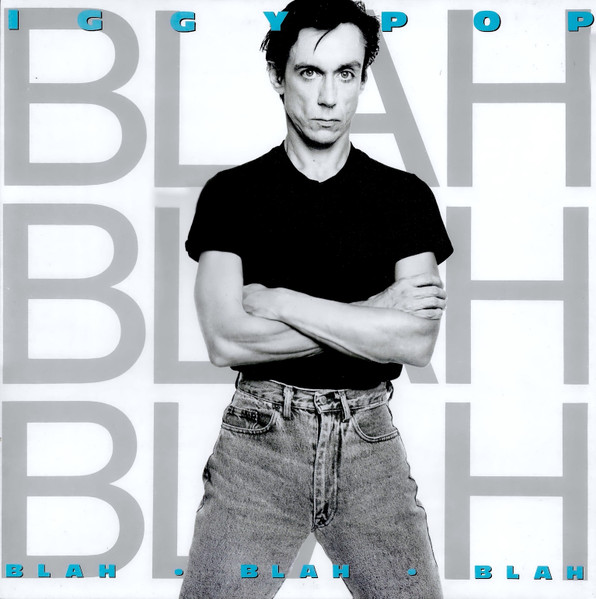
#231: Blah Blah Blah (1986)
Artist: Iggy Pop
A&M Records
A brilliantly calculated and meticulously engineered commercial reinvention, Iggy Pop's 1986 release Blah Blah Blah completely overhauled the punk pioneer's sonic architecture for the MTV generation. Teaming up with longtime collaborator David Bowie, who co-wrote and co-produced the sessions alongside David Richards, the album intentionally bypassed raw, guitar-driven grit in favor of highly polished, 1980s pop gloss. The brilliant friction of the record lies in its production strategy: Bowie locked Iggy's famously chaotic energy inside an airtight, sterile grid of sequenced synthesizers and rigid drum machines. This pristine, synthetic backdrop forced Iggy to rely heavily on the rich, commanding resonance of his baritone croon. Driven by the colossal, chart-topping momentum of "Real Wild Child (Wild One)" and the sweeping melodic hooks of "Cry for Love," the album remains a massive, highly disciplined triumph that successfully transformed the ultimate underground icon into an undisputed mainstream pop star.
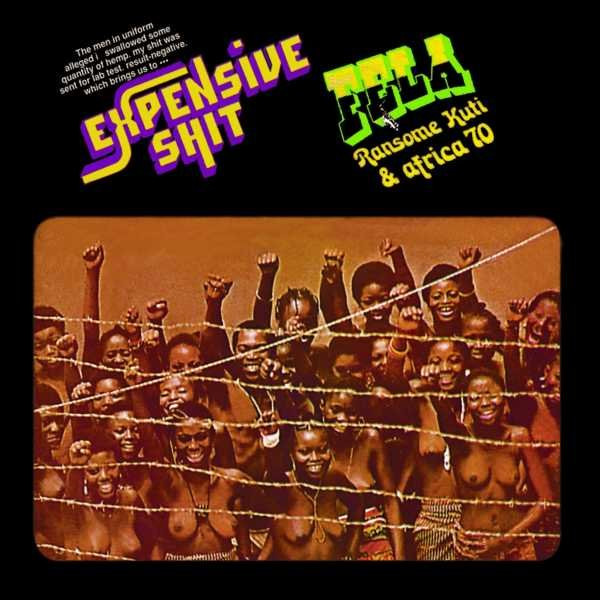
#232: Expensive Shit (1975)
Artist: Fela Kuti
Soundworkshop / Editions Makossa
Standing as a towering, fiercely political monument to the Afrobeat movement, Fela Kuti's 1975 masterpiece Expensive Shit completely defies standard Western pop structures. Born from a legendary confrontation with the Nigerian police, the album channels anti-authoritarian defiance into two massive, sprawling rhythmic workouts. The true architectural marvel of the record lies in its hypnotic, deeply layered rhythm section, driven by the unparalleled genius of drummer Tony Allen. His complex, syncopated polyrhythms provide a relentlessly grooving canvas for a tightly interlocking grid of scratchy funk guitars and heavy, cyclical basslines. Over this massive, organic machinery, Fela Kuti acts as a charismatic conductor, deploying a blazing, highly disciplined horn section and dynamic call-and-response vocals. It is a profoundly influential, deeply physical album that proves repetition and tightly controlled tension are some of the most powerful weapons in musical composition.
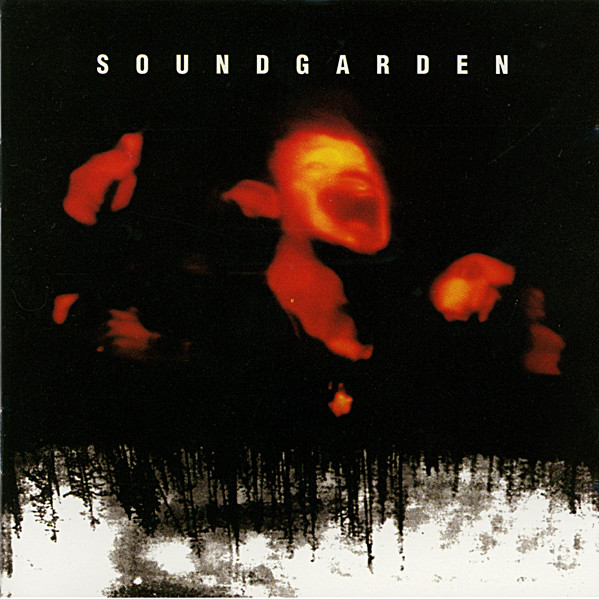
#233: Superunknown (1994)
Artist: Soundgarden
A&M Records
A towering, platinum-certified monolith of 1990s alternative rock, Soundgarden's 1994 masterpiece Superunknown completely redefined the architectural boundaries of heavy radio. Brilliant and deeply unconventional, the album seamlessly fuses the punishing, drop-tuned sludge of Black Sabbath with a kaleidoscopic, Beatles-esque psychedelia. Guitarist Kim Thayil and frontman Chris Cornell forged a complex sonic framework, writing massive, undeniable hooks across incredibly weird, shifting odd-time signatures. Under the meticulous production of Michael Beinhorn, the mix is both pristine and crushing, anchored by Matt Cameron’s thunderous drum tracking and Ben Shepherd’s thick, melodic basslines. This provides a flawless, heavy canvas for Cornell’s legendary, four-octave vocal acrobatic delivery. Driven by monumental tracks like "My Wave", Black Hole Sun" and "Fell on Black Days," it remains a fiercely intelligent, flawlessly executed triumph of the grunge era.
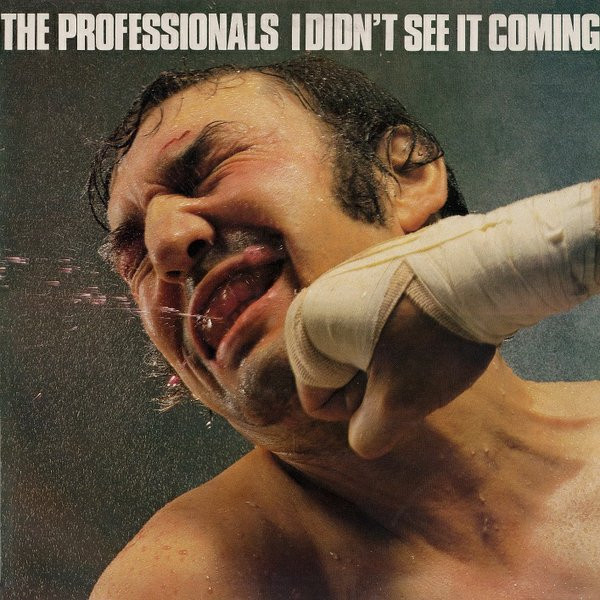
#234: I Didn't See It Coming (1981)
Artist: The Professionals
Virgin Records
A glorious, unpretentious blast of pure rock and roll machinery, The Professionals' 1981 debut I Didn't See It Coming perfectly captures the unadulterated musical engine of the Sex Pistols. Formed by Steve Jones and Paul Cook in the chaotic aftermath of their former band's collapse, the project completely jettisoned the media circus in favor of muscular, street-level power-pop and hard rock. The undeniable, driving force of the album's sonic architecture is Jones' legendary guitar tone. Relying on thick, heavily multi-tracked layers of Gibson Les Paul power chords, the mix is a masterclass in straightforward, heavy riffing. This massive wall of sound is perfectly anchored by Cook's fiercely disciplined, no-nonsense drum grid. Driven by highly infectious, hook-laden tracks like "1-2-3" and "Kick Down the Doors," it is a massively underrated, fiercely working-class masterpiece that cements Steve Jones as one of the greatest, most efficient rock guitarists of his generation. (A 2015 3CD set, The Complete Professionals, features not only this album but a slew of non-LP singles and the original, once-shelved version of their debut album, officially released eponymously in 1997.)
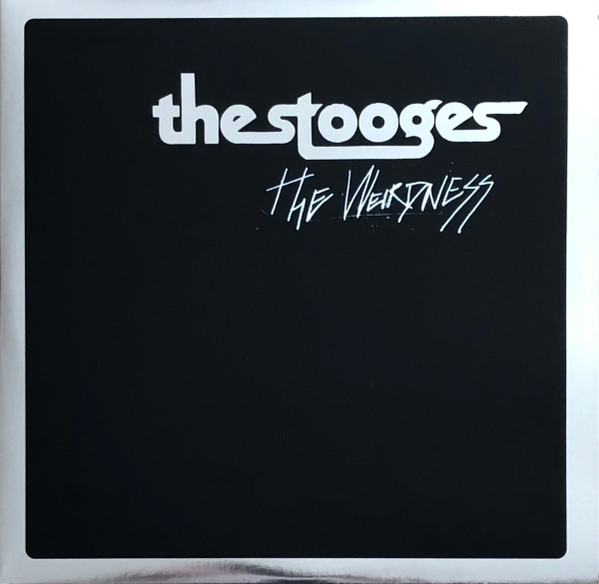
#235: The Weirdness (2007)
Artist: The Stooges
Virgin Records
A gloriously unvarnished, high-volume testament to survival, The Stooges' 2007 comeback album The Weirdness reunited the godfathers of punk for their first studio release since 1973. Bypassing any temptation for modern commercial gloss, the band retreated to Electrical Audio with legendary engineer Steve Albini, whose strictly analog, live-in-the-room recording ethos perfectly captured their abrasive, street-level energy. The sonic architecture relies heavily on Ron Asheton's massive, wah-drenched guitar riffs, but the record is powerfully anchored by its newly formed rhythm section. Stepping in on bass, Mike Watt delivers a masterful performance, locking his deeply pocketed, heavy-grooving basslines flawlessly into Scott Asheton's primal drum strikes. This airtight foundation provides the perfect, gritty canvas for Iggy Pop's snarling, unapologetic vocal delivery. Driven by the primitive, mid-tempo stomp of tracks like "My Idea of Fun," it remains a beautifully stubborn, highly underrated artifact of pure rock and roll machinery.
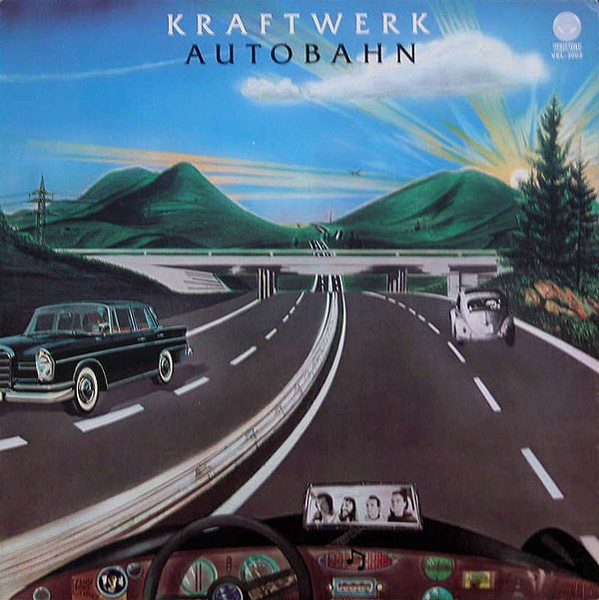
#236: Autobahn (1974)
Artist: Kraftwerk
Vertigo Records
Representing the exact moment the synthesizer shifted from an avant-garde experiment into the driving engine of modern pop music, Kraftwerk's 1974 masterpiece Autobahn permanently altered the global sonic landscape. Bypassing traditional rock instrumentation, visionaries Ralf Hütter and Florian Schneider forged an entirely new architectural framework built on custom vocoders, EMS Synthi AKS, and Moog synthesizers. The undisputed centerpiece of the album is its sprawling, 22-minute title track, which brilliantly mimics the hypnotic, mechanized momentum of highway travel. By marrying the relentless, driving pulse of the German "motorik" beat with infectious, Beach Boys-indebted vocal hooks, the quartet created a mesmerizing, retro-futuristic aesthetic. It is a flawlessly engineered, visionary triumph that laid the indisputable groundwork for synth-pop, electro, and modern techno, making it one of the most structurally important albums of the 20th century. (A special shoutout to the folks at Musical Energi for holding an early Vertigo pressing of the album with the "spaceships" label for me.)
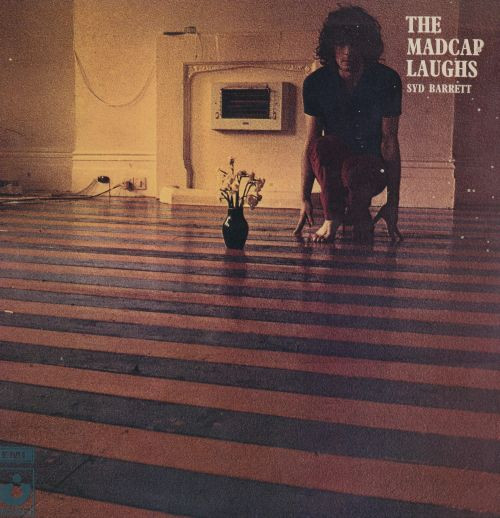
#237: The Madcap Laughs (1970)
Artist: Syd Barrett
Harvest Records
Serving as a profoundly intimate, beautifully fractured portrait of a psychedelic visionary, Syd Barrett's 1970 solo debut The Madcap Laughs is a masterpiece of unvarnished eccentricity. Following his tragic departure from Pink Floyd, Barrett bypassed the complex, cosmic studio excess of his former band in favor of a raw, deeply unstable acoustic framework. The sonic architecture of the album is built entirely on his unpredictable brilliance; Barrett's erratic timing and sudden chord shifts made traditional tracking nearly impossible, forcing producers—including his former bandmates David Gilmour and Roger Waters—to construct the arrangements around his fiercely independent performances. By intentionally leaving the studio chatter, false starts, and turning lyric pages in the final mix, the record functions as a startlingly vulnerable documentary of its own creation. Driven by the whimsical, off-kilter folk-pop of tracks like "Octopus," "Terrapin," and the heavy melancholy of "Dark Globe," it remains a haunting, essential cornerstone of the British underground.
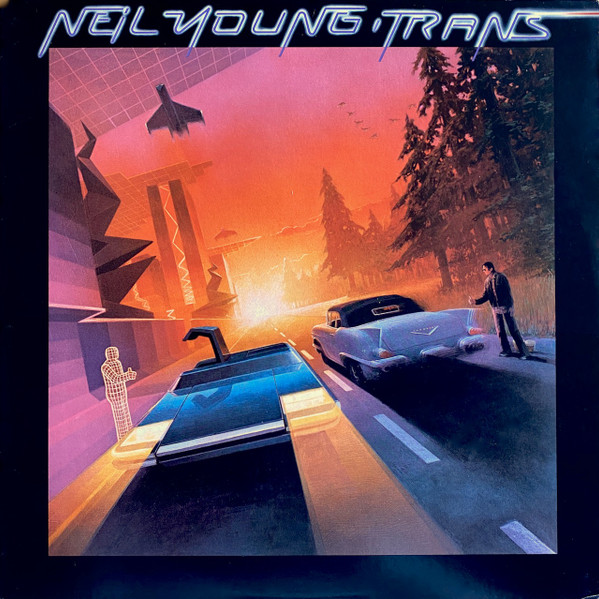
#238: Trans (1982)
Artist: Neil Young
Geffen Records
Standing as the most fiercely debated and deeply misunderstood entry in his massive discography, Neil Young's 1982 release Trans is a visionary masterpiece of electronic rock. Infamously confusing his label and his traditional fanbase, Young fundamentally completely overhauled his sonic architecture, trading his acoustic guitars and raw feedback for heavily sequenced Synclaviers and driving drum machines. However, the emotional core of the album is incredibly intimate. Young heavily utilized a Sennheiser vocoder to process his lead vocals into a synthesized, robotic monotone as a literal means to communicate with his son Ben, who was born with severe cerebral palsy and could not speak. This context completely transforms the rigid, synth-pop frameworks of tracks like "Transformer Man" and "Sample and Hold" into deeply heartbreaking, technologically driven acts of fatherly devotion. It is a wildly brave, beautifully strange record that boldly tested the emotional limits of synthesized music.
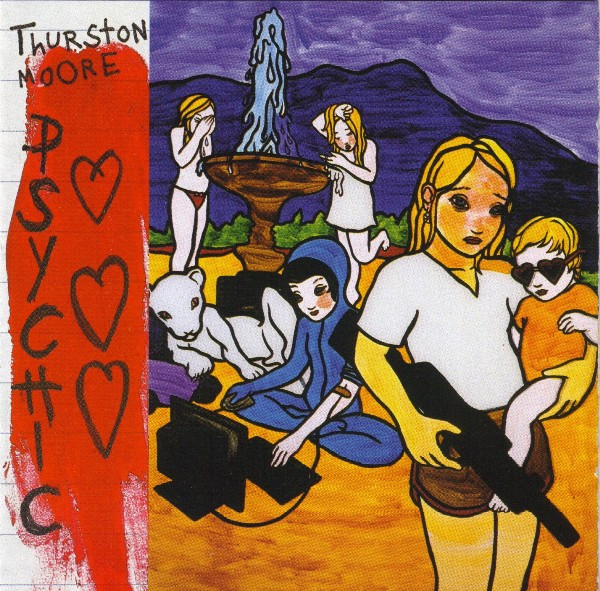
#239: Psychic Hearts (1995)
Artist: Thurston Moore
Geffen Records
Captured during the exact window when Sonic Youth went on hiatus for the birth of Kim Gordon and Thurston Moore's daughter, the 1995 solo debut Psychic Hearts is a brilliant, unpolished snapshot of pure noise-rock momentum. Rather than constructing a heavily conceptual studio epic, Moore embraced a loose, garage-level immediacy, recruiting Sonic Youth drummer Steve Shelley and Two Dollar Guitar's Tim Foljahn to form a fiercely efficient trio. The album's sonic architecture completely bypasses the dense, multi-layered arrangements of his main band, leaning heavily into raw, single-take energy and signature, dissonant alternate tunings. This stripped-down environment perfectly highlights the driving, infectious punk hooks of tracks like "Ono Soul" and the title cut, before eventually descending into the massive, 19-minute instrumental feedback canvas of "Elegy for All the Dead Rock Stars." It remains a remarkably vital, deeply cool side-step that perfectly distills Moore's visionary guitar approach down to its bare, street-level essentials.

#240: Best Before 1984 (1986)
Artist: Crass
Crass Records
Standing as a chronological masterclass in absolute political resistance, the 1986 compilation Best Before 1984 perfectly distills the uncompromising ethos of the legendary anarcho-punk collective Crass. Gathering the entirety of their crucial, independently released 7-inch singles, the album documents a band that completely rejected the traditional music industry machinery in favor of a fiercely DIY, communal existence at Dial House. From an engineering standpoint, the band's sonic architecture is intentionally abrasive and actively hostile to commercial accessibility. Built upon the rigid, militaristic snare-drum barrages of Penny Rimbaud and a treble-heavy, crude guitar attack, the music serves primarily as a high-velocity delivery system for their radical messaging. Fronted by the scathing, highly literate vocal deliveries of Steve Ignorant, Eve Libertine, and Joy De Vivre, the compilation tracks their evolution from the primitive aggression of "Banned from the Roxy" to the terrifying, complex tape manipulation of "Nagasaki Nightmare." It is a vital, fiercely independent artifact that permanently defined the parameters of punk rock activism.

#241: Torment (2017)
Artist: Six Feet Under
Metal Blade Records
A massive, hyper-technical gear shift for the legendary death metal franchise, Six Feet Under's 2017 release Torment completely detonates their traditional mid-tempo blueprint. Seeking a structural reinvention, iconic frontman Chris Barnes enlisted the virtuosic talents of bassist/guitarist Jeff Hughell and extreme drum phenom Marco Pitruzzella. This injection of tech-death blood fundamentally rewired the band's sonic architecture. Pitruzzella drives the record with a frantic, unrelenting blast-beat battery, providing a fiercely accelerated grid for Hughell’s complex, sweeping guitar riffs and dizzying multi-string bass work. Mixed with razor-sharp precision by Zeuss, this dense, high-velocity environment forced Barnes to adapt his signature subterranean gutturals to a much more chaotic, aggressive pace. Driven by blistering, relentless tracks like "Sacrificial Kill" and "Exploratory Homicide," it is a violently fast, deeply heavy record that proves the death metal pioneers were still perfectly capable of throwing a high-speed curveball deep into their career.
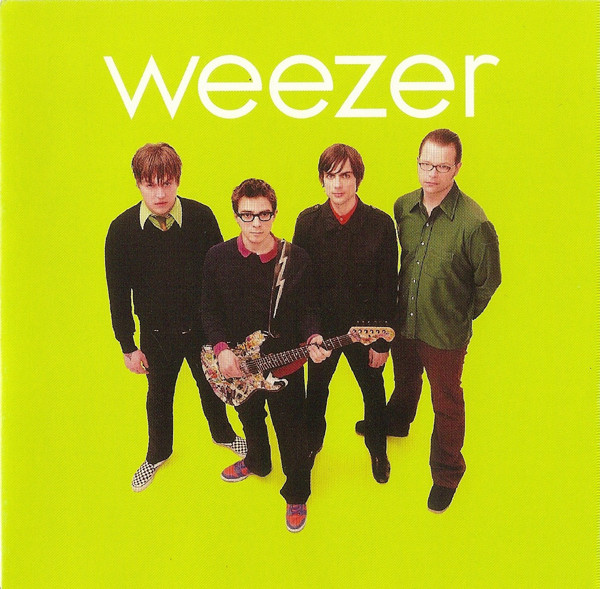
#242: Weezer (The Green Album) (2001)
Artist: Weezer
Geffen Records
A ruthlessly calculated and flawlessly executed comeback, Weezer's 2001 self-titled release (universally known as the Green Album) represents a massive architectural shift for the band. Following the heavy emotional toll and initial commercial failure of Pinkerton, frontman Rivers Cuomo retreated from raw vulnerability, instead utilizing a highly mathematical, disciplined approach to songwriting. Reuniting with producer Ric Ocasek, the band forged a pristine, heavily compressed sonic environment. The record's framework relies on tightly coiled, distortion-heavy power chords meticulously panned against an airtight, unyielding drum grid. Cuomo’s strict adherence to pop mechanics even dictated the guitar solos, which brilliantly but obediently trace the exact vocal melodies rather than wandering into improvisation. Clocking in at a highly efficient 28 minutes and driven by massive, inescapable anthems like "Hash Pipe" and "Island in the Sun," it stands as an emotionally detached, razor-sharp masterclass in pure alternative pop-rock engineering.
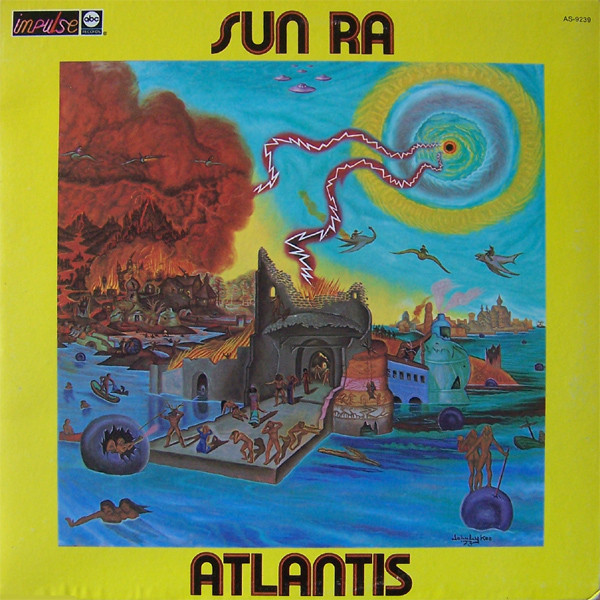
#243: Atlantis (1969)
Artist: Sun Ra and his Astro Infinity Arkestra
El Saturn
Records / Impulse!
This, via the Impulse! reissue, was my first ever Sun Ra recordfing, scored for $2 at a record store in Bloomsburg in the early 1990s. A colossal, gravity-defying monument of Afrofuturist free jazz, Sun Ra's 1969 masterpiece Atlantis marks a radical architectural turning point in his massive discography. Bypassing his foundational big-band bop arrangements, the visionary composer embraced a deeply experimental, chaotic sonic framework heavily driven by early electronic textures. The engineering focal point of the record is Ra's aggressive, pioneering manipulation of the Hohner Clavinet—christened the "Solar Sound Instrument." Rather than utilizing it for traditional rhythmic grooves, he deployed frantic, dissonant clusters of alien frequencies that completely disrupted the organic acoustic instrumentation of the Arkestra. While the first half of the album explores dense, percussion-heavy polyrhythms, the undisputed centerpiece is the sprawling, 21-minute title track that consumes the entire B-side. It is a terrifying, awe-inspiring wall of overlapping horns, relentless drumming, and synthesizer noise that stands as a fierce, uncompromised transmission from the farthest reaches of the avant-garde.
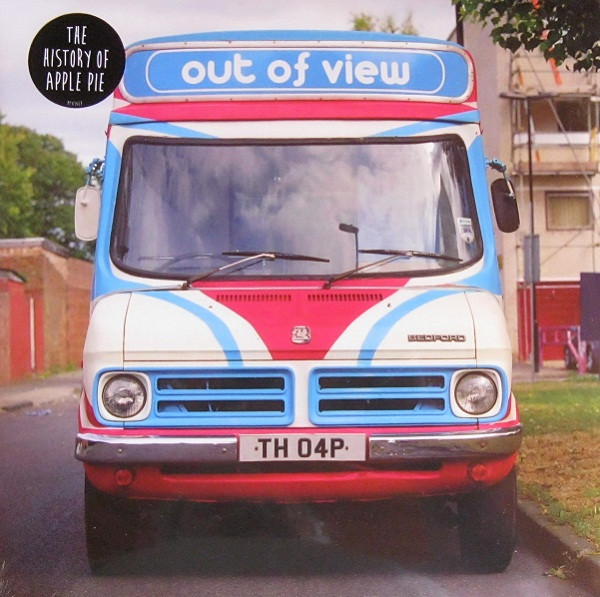
#244: Out of View (2013)
Artist: The History of Apple Pie
Marshall Teller Records
A glorious, fuzz-drenched collision of heavy alternative rock and sugary pop mechanics, The History of Apple Pie's 2013 debut Out of View is a criminally overlooked noise-pop gem. Despite the tragic brevity of the band's career, this record permanently captures their brilliant, highly contrasting sonic architecture. The engineering relies on a massive, abrasive wall of sound, channeling the thick, sludgy guitar distortion and heavy pedal-board worship of 1990s heroes like Dinosaur Jr. However, rather than burying the melodies in traditional shoegaze detachment, this aggressive instrumentation is directly contrasted by the pristine, relentlessly catchy vocal hooks of frontwoman Stephanie Min. The resulting friction creates a brilliantly unique aesthetic that essentially functions as a high-volume collision between underground sludge and the infectious, bright energy of Puffy AmiYumi. Driven by brilliant, earworm tracks like "Do It Wrong," it remains a vital, deeply addictive testament to a band that deserved a much larger spotlight.
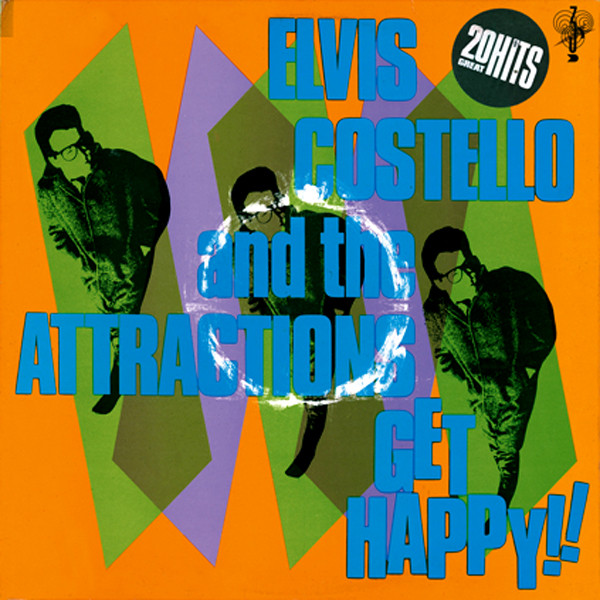
#245: Get Happy!! (1980)
Artist: Elvis Costello and the Attractions
F-Beat / Columbia
Records
A breathless, hyper-kinetic love letter to classic R&B, Elvis Costello's 1980 release Get Happy!! represents a radical structural pivot from the glossy new-wave architecture of his previous work. Reacting to the exhaustion of his sudden fame, Costello challenged The Attractions to execute a massive, 20-track marathon heavily indebted to Stax and Motown soul. From a vinyl mastering perspective, cramming ten songs per side required producer Nick Lowe to heavily compress the mix, resulting in a dense, relentlessly fast-paced sonic environment. The undeniable engine of this record is the brilliant rhythm section of Bruce Thomas and Pete Thomas, who execute complex, deeply pocketed soul grooves at breakneck, punk-rock velocities. This airtight, heavily swinging foundation provides the perfect, high-speed canvas for Steve Nieve's classic organ textures and Costello's dense, razor-sharp lyricism. Driven by immortal, frantic anthems like "High Fidelity" and "I Can't Stand Up for Falling Down," it remains a beautifully chaotic, flawlessly executed triumph of pub-rock soul.
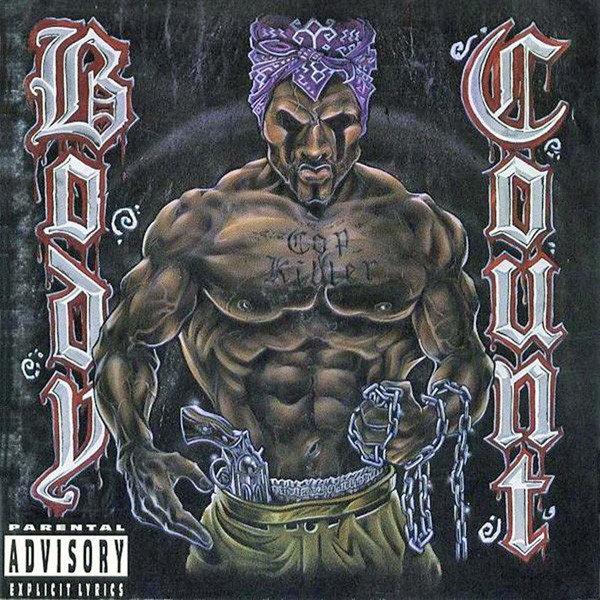
#246: Body Count (1992)
Artist: Body Count
Sire Records
Detonating an absolute cultural earthquake upon its release, Body Count's 1992 eponymous debut completely shattered the boundaries between West Coast gangsta rap and crossover thrash. For a physical media archivist, possessing the original, uncensored pressing featuring the highly controversial track "Cop Killer" (bought on the day of release) is a crucial acquisition, preserving the record's raw, uncompromised intent before industry pressure forced a massive recall. Masterminded by hip-hop icon Ice-T and anchored by the highly technical, razor-sharp riffing of lead guitarist Ernie C, the band's sonic architecture acts as a brilliant, heavy-hitting love letter to the hardcore underground. The record effortlessly shapeshifts through subgenres, flawlessly channeling the mid-tempo, aggressive groove of Suicidal Tendencies on "Body Count Anthem," capturing the furious punk sprint of the Circle Jerks on "Bowels of the Devil," and hilariously mutating southern rock tropes on "KKK Bitch." It stands as a fearless, towering crossover masterpiece that permanently proved the anger of the streets was perfectly suited for heavily distorted guitars.
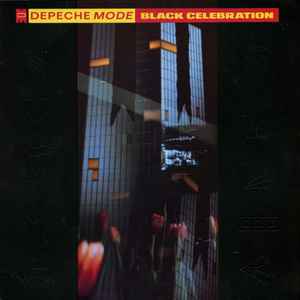
#247: Black Celebration (1986)
Artist: Depeche Mode
Mute Records
A monumental, pitch-black turning point in electronic pop music, Depeche Mode's 1986 masterpiece Black Celebration completely abandoned the bright, radio-friendly architecture of their early career in favor of intense, gothic atmosphere. Working alongside producers Daniel Miller and Gareth Jones, the band heavily expanded their sound design vocabulary through the pioneering use of the Synclavier and E-mu Emulator. Bypassing standard synth patches, they constructed their rhythmic grids from harsh, custom-sampled metallic impacts, fireworks, and engine noises, heavily teasing the aggressive textures of the industrial and EBM underground. This brooding, highly mechanical canvas perfectly anchored Dave Gahan’s developing, world-weary baritone and highlighted the profound emotional depth of Martin Gore’s songwriting. Driven by towering, immortal synth anthems like "Stripped," "A Question of Time," and the suffocatingly beautiful title track, it stands as a flawlessly engineered, deeply cinematic record that permanently changed the trajectory of dark alternative music.
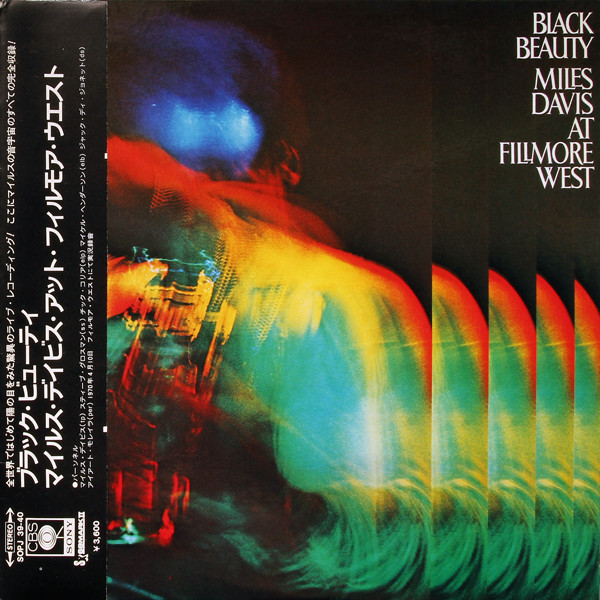
#248: Black Beauty: Miles Davis at Fillmore West (1973)
Artist: Miles Davis
Columbia / CBS Sony
A blazing, continuous transmission of psychedelic jazz-rock, Black Beauty: Miles Davis at Fillmore West captures the undisputed trumpet pioneer at the absolute height of his electric, improvisational era. Recorded live in April 1970 shortly after the landmark Bitches Brew sessions, the performance was a calculated, brilliant assault on the rock counterculture. The structural framework of the album completely discards traditional track breaks, presenting a relentless, fiercely intense suite of music that demands complete surrender from the listener. Miles fundamentally reshaped his own tonal architecture by pushing his horn through a wah-wah pedal, matching the high-volume aggression of rock guitarists. He is backed by a terrifyingly virtuosic ensemble, featuring Chick Corea’s heavily distorted, dissonant electric piano work and the muscular, constantly evolving rhythmic grid of bassist Dave Holland and drummer Jack DeJohnette. It remains a staggering, exhaustive live document that perfectly immortalized the chaotic, brilliant intersection of avant-garde jazz and heavy electric groove.
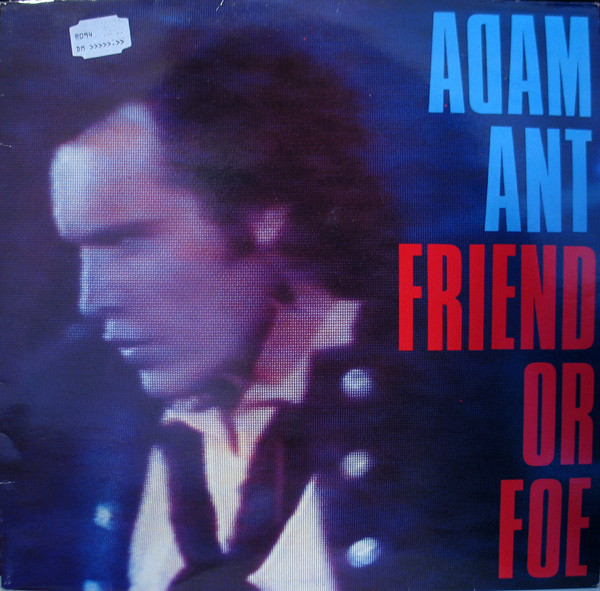
#249: Friend or Foe (1982)
Artist: Adam Ant
CBS / Epic Records
A brilliant, swashbuckling reinvention of early 1980s pop, Adam Ant's 1982 solo debut Friend or Foe completely expanded the theatrical boundaries of the MTV era. Dissolving his wildly successful former band, the frontman smartly retained the crucial services of his longtime songwriting partner and guitarist, Marco Pirroni, and took full credit for the bass work he had previously done uncredited on the last two Ants albums, to construct a brand new sonic architecture. While preserving faint echoes of the tribal, double-drumming rhythms of his past, the duo heavily injected the mix with massive, punchy brass sections and a heavy dose of vintage 1950s rockabilly. Pirroni's incredibly sharp, reverb-drenched guitar twang perfectly grounds the highly stylized, cinematic production. Driven by the colossal, acoustic-driven momentum of the international smash "Goody Two Shoes," as well as infectious, confident anthems like "Desperate But Not Serious", the stomping title track, and the feedback-drenched take on the Doors' "Hello I Love You", it is a flawlessly engineered, wildly entertaining pop-rock artifact that firmly established Adam Ant as a standalone global icon.

#250: Badmotorfinger (1991)
Artist: Soundgarden
A&M Records
A towering, drop-tuned monolith of alternative metal, Soundgarden's 1991 masterpiece Badmotorfinger perfectly bridged the gap between underground Seattle sludge and complex, stadium-ready hard rock. Bolstered by the addition of bassist Ben Shepherd, the band's architectural framework became fiercely technical. Working alongside producer Terry Date, the mix is incredibly dense and muscular, designed primarily to highlight the crushing, heavy-metal riffing of guitarist Kim Thayil. The true genius of the record lies in its rhythmic mechanics; drummer Matt Cameron brilliantly anchors massive, head-banging grooves while effortlessly navigating wildly complex, odd-time signatures. This punishing, highly disciplined sonic environment provided the ultimate canvas for Chris Cornell, who delivers a legendary, unrestrained vocal performance that permanently set the gold standard for rock frontmen. For a physical archive, possessing the limited edition variant featuring the highly coveted SOMMS (Satanoscillatemymetallicsonatas) bonus EP (with their covers of tracks like Devo's "Girl U Want" and Black Sabbath's "Into The Void", two decades later getting its own limited vinyl reissue on Record Store Day) cements this entry as an undisputed, heavy-weight triumph.