

Favorites: Albums — 201 to 225
From here or from her? And whose etertnity is it anyway?
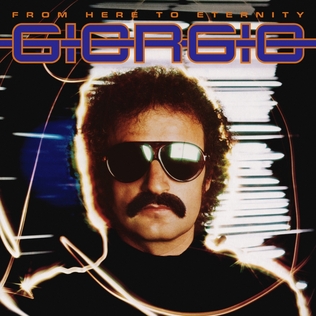
#201: From Here to Eternity (1977)
Artist: Giorgio Moroder
Casablanca Records
Operating as the undisputed, foundational bedrock of electronic dance music, Giorgio Moroder's 1977 masterpiece From Here to Eternity fundamentally altered the trajectory of modern pop and club culture. Fresh off the revolutionary success of producing Donna Summer's "I Feel Love," Moroder used this solo project to push the boundaries of synthesized composition even further. Completely bypassing traditional rock instrumentation, the album is a staggering achievement of massive modular Moog programming, robotic vocoder melodies, and relentless, four-on-the-floor rhythms. The legendary A-side operates as a seamless, continuous suite, providing the ultimate blueprint for modern house, techno, and the entire electronic dance landscape. For anyone studying synthesizer sound design or curating electronic releases, the physical precision and architectural discipline required to sync these temperamental analog machines to tape in the late 1970s remains an awe-inspiring, sacred text. It is an impeccably produced, highly kinetic record that permanently proved machines could command the dancefloor.
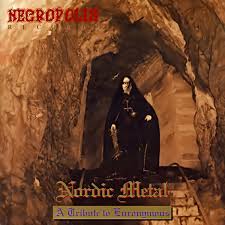
#202: Nordic Metal: A Tribute to Euronymous (1995)
Artist: Various Artists
Necropolis Records
A freezing, historically monumental document of the Scandinavian extreme music scene, the 1995 compilation Nordic Metal: A Tribute to Euronymous is an absolute cornerstone of second-wave black metal. Released in the turbulent aftermath of Mayhem guitarist Øystein "Euronymous" Aarseth's death, the record functions as both a dark eulogy and a definitive showcase of the genre at its absolute peak. Gathering legendary acts like Emperor, Dissection, Enslaved, and Marduk, the album perfectly captures the uncompromising, raw sonic architecture of the era. Utilizing famously lo-fi, highly atmospheric production techniques, the collection is defined by its suffocating, buzzsaw guitar tones, relentless blast beats, and chilling, subterranean vocal deliveries. For any serious archivist of extreme music, it stands as an essential, deeply unsettling time capsule that permanently immortalized the terrifying, groundbreaking power of the Norwegian and Swedish underground.
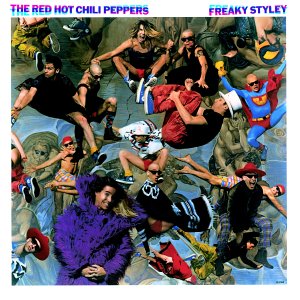
#203: Freaky Styley (1985)
Artist: Red Hot Chili Peppers
EMI America
On this slab of black wax lies the crucial, brilliant turning point where chaotic Los Angeles punk collided head-on with heavy, undeniable groove. The Red Hot Chili Peppers' 1985 sophomore effort Freaky Styley is a masterclass in aggressive funk. The album marks the highly anticipated return of original guitarist Hillel Slovak, whose jagged, Hendrix-inspired playing finally provided the band with a true melodic anchor. However, the true secret weapon of the record is legendary Parliament-Funkadelic mastermind George Clinton in the producer's chair. Clinton expertly harnessed the band's hyperactive, underground energy, pushing Flea's virtuosic slap-bass playing to the absolute forefront of the mix and locking it into an airtight grid with drummer Cliff Martinez. Augmented by a massive, swaggering horn section, the band completely elevated their raw street energy into legitimate, deeply disciplined musicianship. Anchored by heavy, infectious originals like "Jungle Man" alongside brilliant reimaginings of Sly and the Family Stone and The Meters, it remains a ferociously tight, essential document of 1980s alternative crossover.
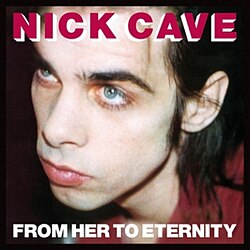
#204: From Her to Eternity (1984)
Artist: Nick Cave and the Bad Seeds
Mute Records
Acting as the brilliant, terrifying resurrection following the fiery collapse of The Birthday Party, Nick Cave's 1984 debut with the Bad Seeds, From Her to Eternity, is a masterclass in cinematic dread. Taking its title as a dark, twisted pun on the Frank Sinatra movie (if not Giorgio Moroder's disco epic), the album completely abandons pure post-punk chaos in favor of a highly disciplined, menacing atmosphere. Partially recorded at the legendary Hansa Studios in Berlin, the record thrives on the immense tension built by its rhythm section, specifically the thick, driving basslines of Barry Adamson. This airtight, brooding foundation allows Einstürzende Neubauten mastermind Blixa Bargeld to deploy his guitar as an avant-garde, almost industrial texture, scraping and screeching underneath Cave's unhinged, deeply literary vocal delivery. Highlighted by a terrifying, stripped-down deconstruction of Leonard Cohen's "Avalanche" and the manic, piano-driven exorcism of the title track, it stands as a towering, atmospheric monument that permanently altered the landscape of alternative and gothic rock.
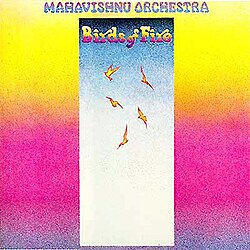
#205: Birds of Fire (1973)
Artist: Mahavishnu Orchestra
Columbia Records
This is the undisputed, pyrotechnic zenith of the 1970s jazz-fusion movement. Mahavishnu Orchestra's 1973 masterpiece Birds of Fire is a staggering achievement of virtuosic musical architecture. Founded by guitar legend John McLaughlin, the quintet completely blurred the lines between the aggressive, electric volume of rock and the hyper-complex, harmonic discipline of jazz. The album demands a deep appreciation for music theory, as the ensemble flawlessly navigates incredibly dense, odd-meter time signatures and shifting polyrhythms without ever sacrificing their relentless, forward-driving groove. This miraculous balance is heavily anchored by drummer Billy Cobham, whose immense physical power and technical independence provide an airtight grid for the rest of the band. Featuring Jan Hammer's pioneering use of the Moog synthesizer, Jerry Goodman's soaring electric violin, and Rick Laird's muscular basslines, the record is a highly structured, violently energetic masterpiece that permanently raised the technical bar for instrumental music.
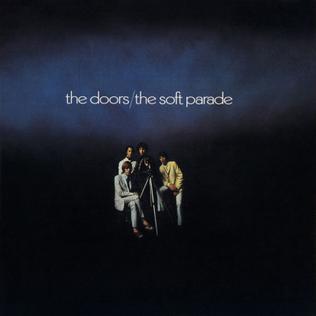
#206: The Soft Parade (1969)
Artist: The Doors
Elektra Records
Even though their self-titled debut ranks higher on this list because of its legendary status (and deservedly so), this here is actually my favorite Doors album, period. To most fans, however, it stands as the most fiercely debated and structurally ambitious album in their legendary catalog, The Doors' 1969 release The Soft Parade is a lush, highly orchestrated departure from their dark, blues-based roots. Frequently maligned by purists of the era for its heavy integration of brass and string sections, the record actually stands as a brilliant showcase of compositional evolution. With frontman Jim Morrison notoriously disengaged during the recording process, guitarist Robby Krieger stepped heavily to the forefront as the primary songwriter, delivering the massive, horn-drenched crossover hit "Touch Me." Under the guidance of producer Paul Rothchild and arranger Paul Harris, the core trio of Krieger, keyboardist Ray Manzarek, and drummer John Densmore were forced to lock their signature, improvisational jazz-rock into a highly disciplined, cinematic grid. Climaxing with the sprawling, multi-part suite of the title track, it is a deeply textured, remarkably brave studio experiment that perfectly highlights the band's underlying musical intellect.
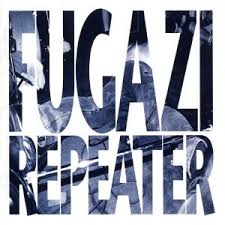
#207: Repeater (1990)
Artist: Fugazi
Dischord Records
Fugazi's 1990 debut full-length Repeater is a masterclass in tension, discipline, and uncompromising DIY ethics — and is the undisputed blueprint for the entire post-hardcore movement. Emerging from the ashes of the Washington D.C. hardcore scene, the quartet completely rewrote the vocabulary of aggressive rock. The album is anchored by the breathtaking rhythm section of drummer Brendan Canty and bassist Joe Lally, who brilliantly utilized heavy dub and reggae influences to construct thick, deeply pocketed grooves rather than relying on standard punk velocity. This spacious, airtight foundation allows frontmen Ian MacKaye and Guy Picciotto to weave their razor-sharp, angular guitar lines and trade their legendary, impassioned vocal assaults. Highlighted by the kinetic, physical drive of tracks like "Turnover" and "Merchandise," it stands as a towering, highly principled monument to independent music, proving that raw power and surgical musical precision are a devastatingly effective combination.
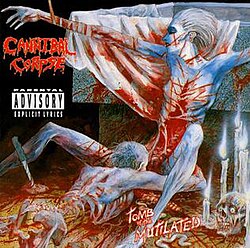
#208: Tomb of the Mutilated (1992)
Artist: Cannibal Corpse
Metal Blade Records
As ground zero for what ended up being the mainstream media's non-sensationlsit news story exposure to death metal (thanks to their appearahce in Ace Ventura: Pet Detective), Cannibal Corpse's 1992 release Tomb of the Mutilated is a masterpiece of extreme sonic brutality. Returning to the legendary Morrisound Recording studio with producer Scott Burns, the quintet crafted an album that perfectly balances its notorious, controversial shock value with staggering technical proficiency. The record's unrelenting momentum is heavily driven by bassist Alex Webster, whose incredibly fast, clanking basslines serve as a virtuosic structural anchor beneath the frantic, down-tuned guitar attack of Jack Owen and Bob Rusay. Famously fronted by vocalist Chris Barnes delivering his impossibly low, subterranean gutturals, the album is a relentless audio meatgrinder. Anchored by the immortal, genre-defining anthem "Hammer Smashed Face," it remains a deeply uncompromising, terrifying artifact that permanently codified the aesthetic and musical parameters of brutal death metal.
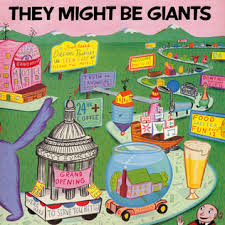
#209: They Might Be Giants (1986)
Artist: They Might Be Giants
Bar/None Records
As an absolute triumph of independent, bedroom-studio ingenuity, They Might Be Giants' 1986 self-titled debut completely rewired the parameters of alternative pop. Operating strictly as a duo, John Linnell and John Flansburgh bypassed the need for a traditional backing band, relying heavily on an omnipresent drum machine. They brilliantly utilized the rigid, mechanical nature of synthesized percussion to anchor their deeply unconventional instrumentation, which heavily featured accordion, bass clarinet, and angular guitar stabs. The resulting album is a masterclass in hyper-literate, surreal songwriting. Driven by a brilliant, highly intellectual absurdity reminiscent of classic British sketch comedy, the record is packed with eccentric, deeply infectious anthems like "Don't Let's Start" and "Put Your Hand Inside the Puppet Head." It stands as a fiercely original, proudly weird cornerstone of the 1980s indie-pop underground that proved massive studio budgets were entirely unnecessary for world-building.
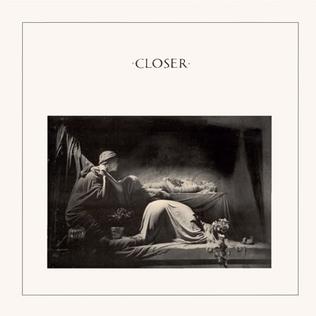
#210: Closer (1980)
Artist: Joy Division
Factory Records
As I was prepping the HTML for this entry on April 14, 2026, the Rock And Roll Hall Of Fame announced that they were inducting both Joy Division and their successor band New Order to the Class of 2026. This album — a devastating, breathtaking monument to the Manchester post-punk scene Joy Division's 1980 sophomore and final studio album Closer is an absolute masterclass in atmospheric dread and spatial engineering. Released posthumously following the tragic suicide of frontman Ian Curtis, the record is heavily defined by the visionary, claustrophobic production of Martin Hannett. Treating the studio as a completely synthetic environment, Hannett forced drummer Stephen Morris to play with the rigid, mechanical precision of a drum machine, wrapping his isolated hits in cold, digital delay. This airtight foundation allowed Peter Hook to push his driving basslines into the upper register to serve as the primary melodic voice, creating massive, cavernous sonic spaces. Guitarist Bernard Sumner filled this void with shattered, abrasive guitar textures and heavy, funeral-dirge ARP Omni synthesizers, particularly on the harrowing, electronic-driven second half of the record. Anchored by Curtis's deeply poetic, agonizingly bleak vocal delivery, it remains a towering, profoundly influential masterpiece of gothic, industrial-tinged rock.
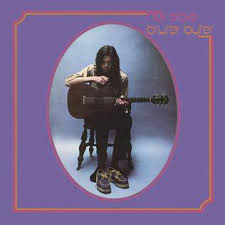
#211: Bryter Layter (1971)
Artist: Nick Drake
Island Records
A gorgeous, sunlit departure from the stark isolation of his debut Five Leaves Left, Nick Drake's 1971 sophomore album Bryter Layter is a flawless masterclass in jazz-inflected chamber-folk. Actively seeking a more upbeat, pop-oriented sound, producer Joe Boyd enlisted the airtight, highly disciplined rhythm section of Fairport Convention's Dave Mattacks and Dave Pegg. Their incredibly fluid, supportive grooves provide the perfect foundation for Drake's virtuosic, complex acoustic fingerpicking. The album is elevated into the stratosphere by the breathtaking string and brass arrangements of Robert Kirby, which wrap Drake's hushed, melancholic vocal delivery in lush, cinematic warmth without ever overwhelming it. Highlighted by the legendary studio contributions of The Velvet Underground's John Cale on the soaring, immortal masterpiece "Northern Sky," it stands as a meticulously engineered, deeply comforting monument to British folk that successfully pushed the genre into highly sophisticated, orchestral pop territory.
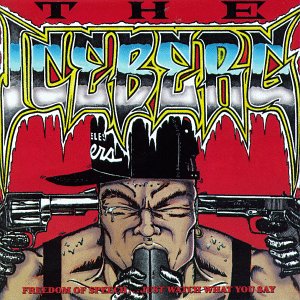
#212: The Iceberg/Freedom of Speech... Just Watch What You Say! (1989)
Artist: Ice-T
Sire / Warner Bros. Records
Ice-T's first two albums, Rhyme Pays and Power, as good as they were, were just warmups for what he would start to make his name and reputation on with this album. A towering, unapologetic middle finger to the censorship crusades of the late 1980s, Ice-T's third studio album, The Iceberg/Freedom of Speech... Just Watch What You Say!, is a masterpiece of political West Coast hip-hop. Arriving at the height of the PMRC's campaign to silence explicit music, Ice-T brilliantly expanded his pioneering gangsta rap narrative to directly tackle the First Amendment and institutional hypocrisy. The album's dense, menacing sonic architecture—heavily engineered by producer Afrika Islam—relies on incredibly tight, sample-heavy drum programming and dark, claustrophobic loops, providing a flawless, hard-hitting grid for Ice's commanding, conversational flow. The project famously bridges the gap between the hip-hop, punk and metal undergrounds by featuring on "Shut Up, Be Happy" a dystopian spoken-word appearance from Dead Kennedys frontman Jello Biafra, sampled from Biafra's "Message From Our Sponsor" and laid over the iconic tritone riff from Black Sabbath's "Black Sabbath". Anchored by the heavy, relentless drive of tracks like "Lethal Weapon" and the cautionary narrative of "You Played Yourself," it remains a fiercely intelligent, fiercely defiant cornerstone of Golden Age rap.
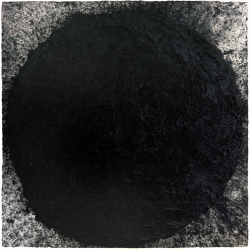
#213: Monoliths & Dimensions (2009)
Artist: Sunn O)))
Southern Lord
Operating as a towering, tectonic masterpiece of extreme drone and avant-garde composition, Sunn O)))'s 2009 release Monoliths & Dimensions completely redefines the parameters of heavy music. Abandoning traditional song structures and standard rhythm sections entirely, guitarists Stephen O'Malley and Greg Anderson rely on the sheer physical weight of low-end frequencies, utilizing walls of maximum-volume amplifiers to generate massive, glacially paced chords and shifting harmonic overtones. However, the true brilliance of the record lies in its ambitious, modern classical architecture. Working closely with arranger Eyvind Kang, the band seamlessly integrated upright basses, a Viennese women's choir, and a sprawling brass section into the suffocating waves of feedback. Climaxing with the transcendent, harp-driven tribute "Alice," the album proves to be an astonishingly beautiful, meticulously engineered monolith that brilliantly blurs the lines between punishing doom metal and sophisticated orchestral jazz.
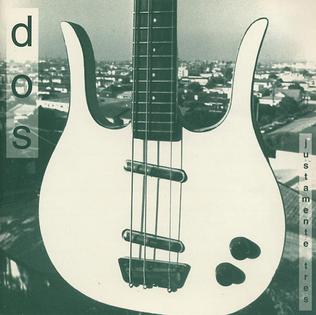
#214: Justamente Tres (1996)
Artist: Dos
Kill Rock Stars
A brilliant, hyper-intimate study in structural minimalism, the 1996 release Justamente Tres by Dos is a quiet masterpiece of the alternative underground. Comprised entirely of two punk rock bass legends — Mike Watt and Kira Roessler — the project completely strips away the standard rock vocabulary, relying solely on interlocking low-end frequencies and spare vocals. Bypassing the need for drum grids or lead guitars, the duo utilizes the bass as both the rhythmic engine and the primary melodic voice. Watt's distinct, heavily grooving, and conversational phrasing perfectly anchors the bottom end, providing a flawless foundation for Roessler to explore complex, upper-register leads and intricate harmonics. Featuring beautifully constructed original compositions alongside fascinating reinterpretations of tracks by Patsy Cline and Billie Holiday and a re-interpretation of the Minutemen's own "Do YoU Want New Wave Or Do You Want The Truth?", the album is a highly disciplined, deeply vulnerable showcase of musical chemistry that permanently expands the parameters and capabilities of the bass guitar.
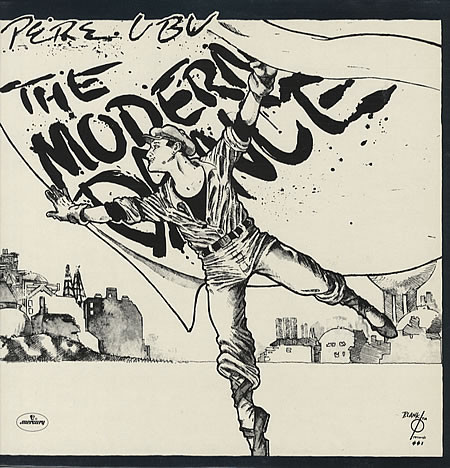
#215: The Modern Dance (1978)
Artist: Pere Ubu
Blank Records
Operating as the definitive, apocalyptic blueprint for American post-punk, Pere Ubu's 1978 debut The Modern Dance is a staggering achievement in "avant-garage" rock. Emerging from the industrial rust and factory-town decay of Cleveland, Ohio, the band completely bypassed the standard, street-level aesthetics of 1970s punk. Instead, they forged a profoundly weird, structurally unstable sound built on pure tension. A crucial element of this architecture is the pioneering work of Allen Ravenstine, who utilized analog EML synthesizers not for melody, but to generate blistering, abstract textures and terrifying audio environments. Yet, beneath this storm of avant-garde noise and frontman David Thomas's manic, highly paranoid vocal delivery lies a fiercely disciplined rhythm section. The driving, krautrock-inflected grooves of bassist Tony Maimone and drummer Scott Krauss provide a brilliantly tight grid for tracks like "Non-Alignment Pact" and "Street Waves," proving that absolute sonic chaos can still swing with undeniable, hard-hitting momentum.
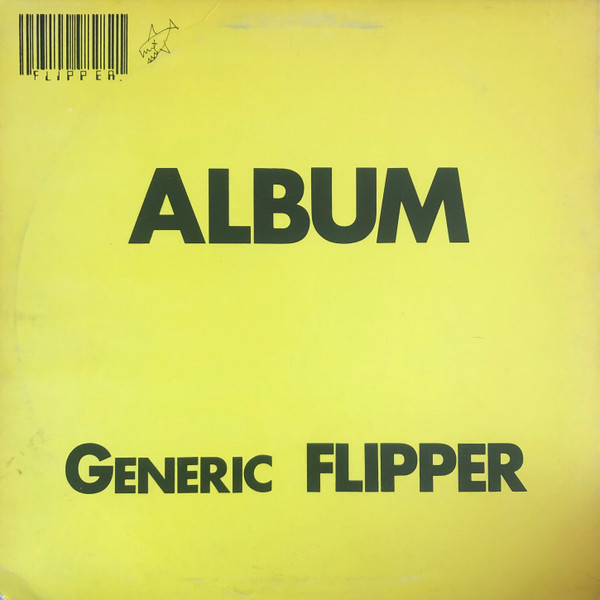
#216: Album - Generic Flipper (1982)
Artist: Flipper
Subterranean Records
Punk as fuck by being the ultimate, subversive counter-reaction to the hyper-fast arms race of 1980s American hardcore, Flipper's 1982 debut Album - Generic Flipper is a towering masterpiece of noise rock and sludge. Emerging from the San Francisco punk scene, the quartet fundamentally dismantled the rules of the underground by slowing their tempos down to a crawling, agonizingly heavy trudge. The band’s deeply unconventional architecture features Will Shatter and Bruce Loose trading bass and vocal duties, locking into massive, repetitive grooves with drummer Steve DePace. This lumbering, airtight foundation provides the perfect canvas for guitarist Ted Falconi, who completely abandons traditional riffing in favor of washing the tracks in atonal, screeching waves of textural feedback. Highlighted by the chaotic, saxophone-driven minimalism of "Sex Bomb" and the punishing weight of "Life," it is a fiercely uncompromising, gloriously cynical record that laid the absolute groundwork for the grunge and sludge metal movements of the ensuing decade.
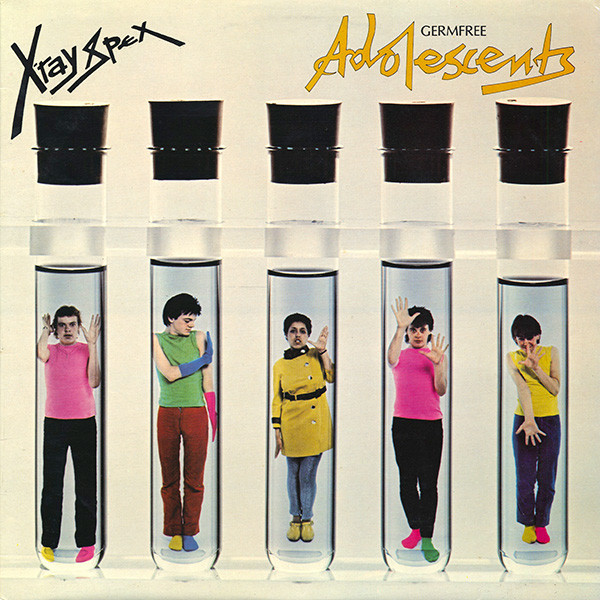
#217: Germfree Adolescents (1978)
Artist: X-Ray Spex
EMI / Art-I-Ficial
One of the most fiercely intelligent and sonically distinct artifacts of the British punk explosion, X-Ray Spex's 1978 debut Germfree Adolescents completely shattered the standard three-chord template. Fronted by the visionary Poly Styrene, the band bypassed typical street-level angst in favor of razor-sharp, highly observant critiques of artificiality, plastic consumerism, and manufactured identity. Her unmistakable, wailing vocal delivery is anchored by an incredibly unique sonic architecture that famously weaponized the saxophone. Treating the brass instrument more like a jagged analog synthesizer or a shrieking lead guitar, the band's saxophonists cut massive, chaotic melodies directly through the frantic, buzzsaw punk foundation. Driven by immortal, day-glo anthems like "Identity" and the ferocious anti-establishment cornerstone "Oh Bondage Up Yours!", the record stands as a fiercely colorful, fiercely independent masterpiece that proved rebellion could be both deeply philosophical and undeniably infectious.
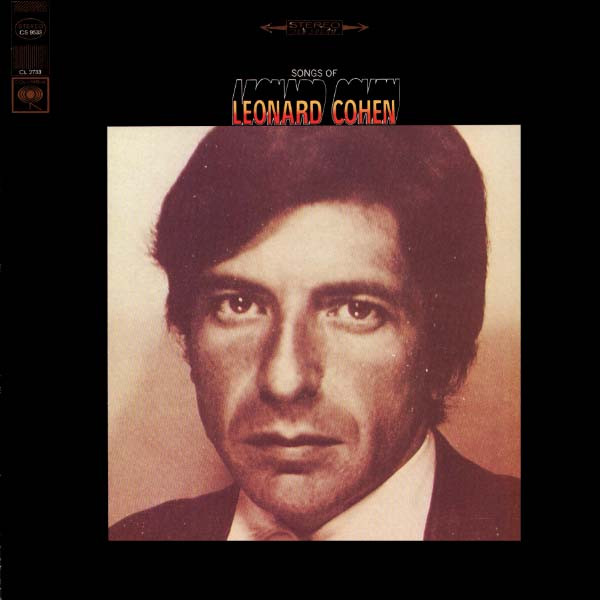
#218: Songs of Leonard Cohen (1967)
Artist: Leonard Cohen
Columbia Records
A breathtaking, literary masterclass in melancholic folk, Leonard Cohen's 1967 debut Songs of Leonard Cohen permanently altered the landscape of singer-songwriter composition. Arriving in the music industry as an already established, published poet and novelist, Cohen completely bypassed traditional pop structures in favor of hypnotic, rhythmic incantations. The sonic architecture of the album relies on a fascinating, inherent tension: Cohen's stark, nylon-string fingerpicking and unpolished, world-weary baritone are constantly juxtaposed against producer John Simon's lush, cinematic studio embellishments. This delicate balance of raw intimacy and ethereal orchestration—most notably the haunting use of female backing vocals and subtle strings—elevates flawless compositions like "Suzanne" and "So Long, Marianne" into the realm of the immortal. It is a deeply atmospheric, profoundly poetic debut that immediately established Cohen as one of the most brilliant and uncompromising lyrical architects of the 20th century.
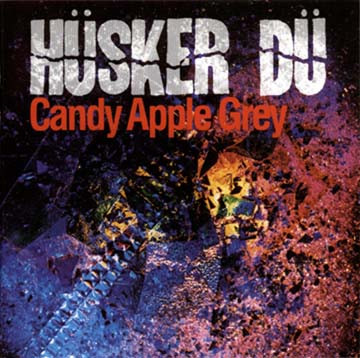
#219: Candy Apple Grey (1986)
Artist: Hüsker Dü
Warner Bros. Records
This album is the crucial, heavily debated crossroads between the fierce American underground and the mainstream alternative rock explosion, Hüsker Dü's 1986 release Candy Apple Grey is a monumental evolutionary step. Marking the trio's departure from the legendary SST Records to sign with Warner Bros., the album completely shattered the rigid boundaries of hardcore punk. The major-label production values finally stripped away the band's trademark sonic mud, allowing Greg Norton's driving basslines and Grant Hart's frantic drumming to punch through with absolute clarity beneath Bob Mould's iconic, chorus-drenched buzzsaw guitar tone. The record thrives on the legendary songwriting friction between Mould and Hart, brilliantly balancing explosive, infectious pop-punk anthems like "Don't Want to Know If You Are Lonely" with agonizing, acoustic-driven introspection on tracks like "Too Far Down." It remains a highly disciplined, emotionally devastating masterpiece that paved the definitive path for the 1990s alternative revolution.
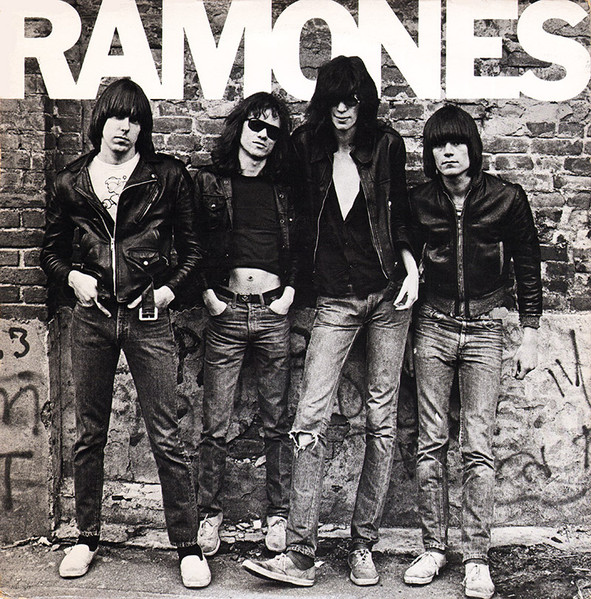
#220: Ramones (1976)
Artist: Ramones
Sire Records
The undisputed Big Bang of the punk rock movement, the Ramones' 1976 self-titled debut completely eradicated the sprawling, indulgent excess of 1970s arena rock in under thirty minutes. Bypassing complex musicianship in favor of sheer velocity and hyper-disciplined minimalism, the quartet forged a rigid, deeply influential sonic architecture. The album's relentless momentum is driven by Johnny Ramone's motorik, downstroke-only guitar assault and Tommy Ramone's airtight, metronomic drumming. From an engineering standpoint, producer Craig Leon utilized extreme stereo panning — isolating the guitar and bass into hard right and left channels — to create a wide, surprisingly spacious mix. The band had actually wanted to issue a mono mix instead, but was vetoed by the record company, so the stereo mix, inspired by the panning of early Beatles albims, was used instead. Over this aggressive, street-level machinery, frontman Joey Ramone delivered brilliant, infectious vocal hooks heavily indebted to 1960s girl groups and bubblegum pop. Packed with immortal, rapid-fire anthems like "Blitzkrieg Bop" and "Beat on the Brat," it is a towering, stripped-down masterpiece that permanently rewired the global musical landscape. Forty years later, Craig Leon would give this classic debut the mono mix the band wanted for Rhino/Sire's deluxe LP/4CD box set.

#221: Not So Quiet on the Western Front (1982)
Artist: Various Artists
Alternative Tentacles /
Maximumrocknroll
ALternative Tentacles Records, the label helmed by Jello Biafra, was no stranger to compilation albums — Biafra had assembled the blueprint for modern punk compilations with Let Them Eat Jellybeans, inmitially intended as a release for English and European punk fans to experience the North American punk rock underground before import copies started landing in the states and this widened the reach of the album. As an unvarnished, double-legnth snapshot of the 1982 Northern California and Nevada hardcore explosion, Not So Quiet on the Western Front is a masterpiece of DIY archival work. Co-curated by staff members of Maximumrocknroll — then just a local radio show that was just starting to branch out into print media — and Alternative Tentacles, the 47-track double LP serves as a vital historical document curated by scene architects Tim Yohannan and Jello Biafra. Bypassing major-label polish entirely (if not major-label pressing and distribution, thanks to Alternative Tentacles' then-deal with IRS/A&M's Faulty Products division), the record captures the sheer, terrifying velocity and political rage of a localized underground building its own infrastructure. From an engineering standpoint, it is a fascinating, chaotic cross-section of street-level recording, placing studio-tracked heavyweights like MDC, Flipper, and 7 Seconds alongside raw, four-track and boombox basement recordings of obscure, flash-in-the-pan acts. It stands as a towering, fiercely independent time capsule that permanently immortalized the chaotic, hyper-fast evolution of West Coast punk rock.
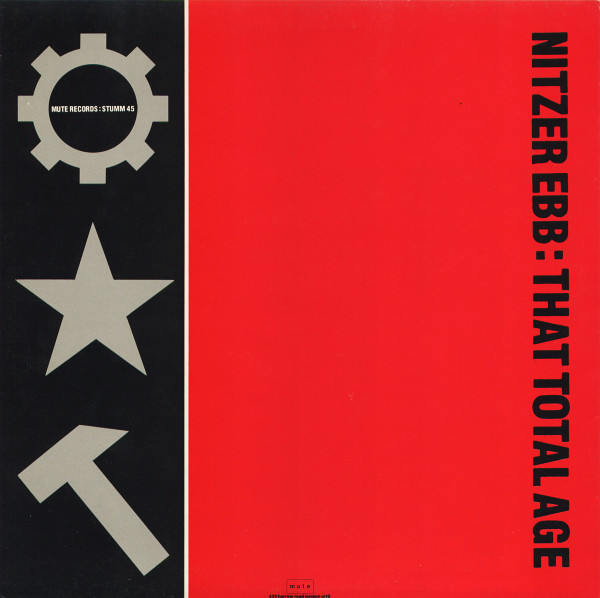
#222: That Total Age (1987)
Artist: Nitzer Ebb
Mute Records
A militant approach to Electronic Body Music (EBM), Nitzer Ebb's 1987 debut That Total Age is a staggering masterclass in aggressive, synthesized minimalism. Emerging from the British industrial underground, the group completely bypassed traditional rock instrumentation, forging a sound that functions essentially as hardcore punk executed entirely by machines. From an engineering and sound design perspective, the album thrives on a highly disciplined, stripped-down architecture: massive, relentlessly sequenced analog basslines locked into airtight, booming drum machine grids. This punishing, wide-open sonic environment provides a flawless canvas for frontman Douglas McCarthy’s iconic, rhythmic vocal barking. Anchored by immortal, club-destroying anthems like "Join in the Chant" and "Let Your Body Learn," it is a fiercely uncompromising, hyper-kinetic record that perfectly bridged the gap between industrial angst and the physical, four-on-the-floor momentum of modern techno.
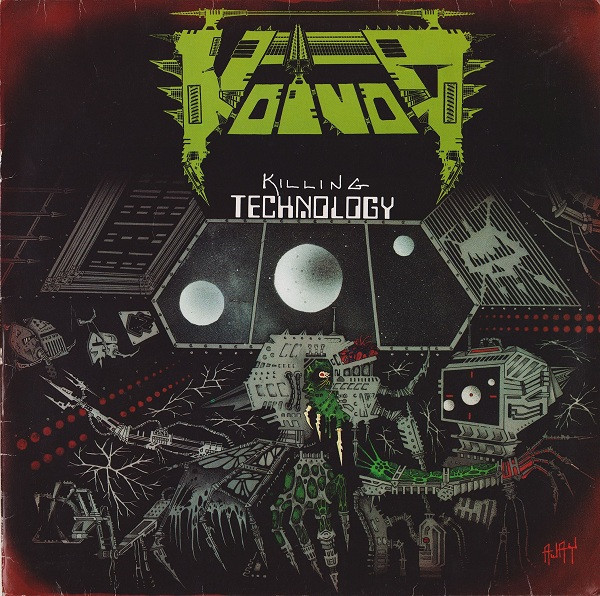
#223: Killing Technology (1987)
Artist: Voivod
Noise Records
Voivod's 1987 release Killing Technology is a towering achievement of dystopian sonic architecture, the crucial, evolutionary bridge betweeen chaotic speed metal and avant-garde progressive thrash. Thematic heavily steeped in science fiction and nuclear paranoia, the French-Canadian quartet forged a sound that perfectly mimicked the terrifying acceleration of the industrial-digital age. The album is defined by the absolute genius of the late guitarist Denis "Piggy" D'Amour, who fundamentally bypassed traditional metal riffing in favor of deeply unsettling, highly dissonant chord voicings and angular melodies. This alien framework is anchored by the virtuosic, mathematically precise polyrhythms of drummer Michel "Away" Langevin and the clanking, aggressive "Blower Bass" tone of Jean-Yves "Blacky" Thériault. Highlighted by the structural complexity of "Ravenous Medicine" and the blistering title track, it stands as a fiercely intelligent, fiercely original masterpiece that completely rewired the structural possibilities of extreme underground music.
#224: Let It Be (1970)
Artist: The Beatles
Apple Records
The deeply debated, bittersweet swan song of the most influential band in rock history, The Beatles' 1970 release Let It Be is a fascinating study in structural tension. Originally conceived as a back-to-basics project that would strip away their complex, multi-tracked studio wizardry in favor of raw, live-in-the-room rock and roll, the sessions were infamously plagued by exhaustion and interpersonal fracture. However, the inherent, undeniable chemistry of the quartet still shines through, heavily bolstered by the crucial addition of keyboardist Billy Preston, whose fluid Fender Rhodes playing brilliantly anchored their rhythm section. The album's sonic architecture remains fiercely polarizing due to the heavy-handed post-production of Phil Spector. Bypassing the band's original, stripped-down intentions, Spector (already at the bedinning of a personal spiral that culimated decades later in his murder trial) applied his lush, massive "Wall of Sound" orchestral and choral arrangements to tracks like "The Long and Winding Road" and "Across the Universe." Featuring towering, immortal anthems like the title track and the blistering, rooftop-recorded "Get Back," it stands as a messy, beautiful, and monumental artifact of a legendary empire at its breaking point. Is it any wonder why after first recording this, the Beatles tabled it and recorded and released Abbey Road instead?
#225: Prince Charming (1981)
Artist: Adam and the Ants
CBS Records
A massive, hyper-stylized triumph of the early MTV era, Adam and the Ants' 1981 release Prince Charming completely rewrote the rulebook for global pop dominance. Emerging from the post-punk underground, the band bypassed traditional rock and roll structures in favor of a brilliantly weird, theatrical sonic architecture. The absolute focal point of the record is its massive, unrelenting rhythm section, generated by the synchronized dual-drumming of Terry Lee Miall and Merrick locking in with Adam Ant's skilled yet uncredited (at the time) bass work. Their heavy, rolling, Burundi-inspired tribal beats provide an airtight, highly physical foundation that allows Marco Pirroni to deploy his signature, spaghetti-western guitar twang. This sweeping, cinematic backdrop perfectly frames frontman Adam Ant's flamboyant, swashbuckling vocal delivery and unapologetic pop sensibility. Driven by colossal, highly choreographed anthems like "Stand and Deliver", "Ant Rap", and the immortal title track, the album stands as a brilliantly executed, fiercely original masterpiece that successfully smuggled tribal percussion and avant-garde aesthetics directly into the mainstream charts.
Move forward to see albums 226 through 250
Loop back to the main menu