

Favorites: Albums — 251 to 275
The incredible growing favorite albums list continues...
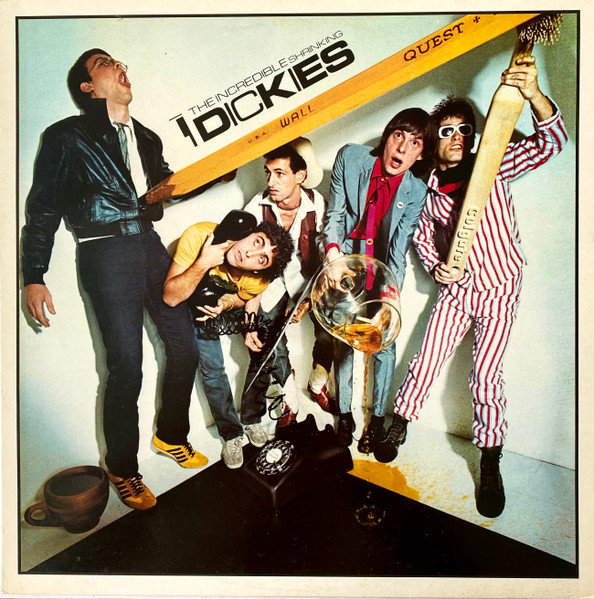
#251: The Incredible Shrinking Dickies (1979)
Artist: The Dickies
A&M Records
A high-velocity, sugar-fueled adrenaline rush, The Dickies' 1979 debut The Incredible Shrinking Dickies completely redefined the boundaries of Los Angeles punk by injecting it with brilliant, cartoonish pop sensibilities. Emerging from a gritty scene known for its aggressive angst, frontman Leonard Graves Phillips and guitarist Stan Lee actively bypassed political posturing in favor of razor-sharp hooks, campy humor, and breathtaking speed. The sonic architecture of the album relies on an airtight, buzzsaw guitar attack and a rhythm section locked into a relentless, hyper-kinetic sprint, rarely allowing a track to exceed the two-minute mark. Despite their deeply theatrical and absurd aesthetic, the band's underlying musicianship was fiercely disciplined, perfectly showcased in their hilariously fast, warp-speed covers of classics like Black Sabbath's "Paranoid" and "Eve of Destruction." It stands as a gloriously fun, hyperactive masterpiece that permanently laid the architectural groundwork for decades of melodic pop-punk to follow.

#252: Neu! (1972)
Artist: Neu!
Brain Records
A hypnotic, foundational masterclass in rhythmic discipline, the 1972 self-titled debut by Neu! completely rewired the architectural possibilities of experimental rock. After splintering from Kraftwerk, the visionary duo of drummer Klaus Dinger and multi-instrumentalist Michael Rother actively discarded the traditional, blues-based swing of Western rock. In its place, Dinger engineered the legendary "motorik" beat—an incredibly strict, unyielding 4/4 drum pattern completely devoid of fills or traditional cymbal crashes. This relentless, forward-driving machinery, perfectly captured on the sweeping ten-minute opener "Hallogallo," essentially served as the undisputed blueprint for the airtight sequencer grids of modern techno, industrial, and EBM. Anchored to this infinite pulse, Rother painted the upper frequencies with heavily treated, highly textural guitar work and pioneering tape manipulation. It stands as a flawlessly constructed, deeply mesmerizing sonic engine that permanently mapped out the future of electronic music production.
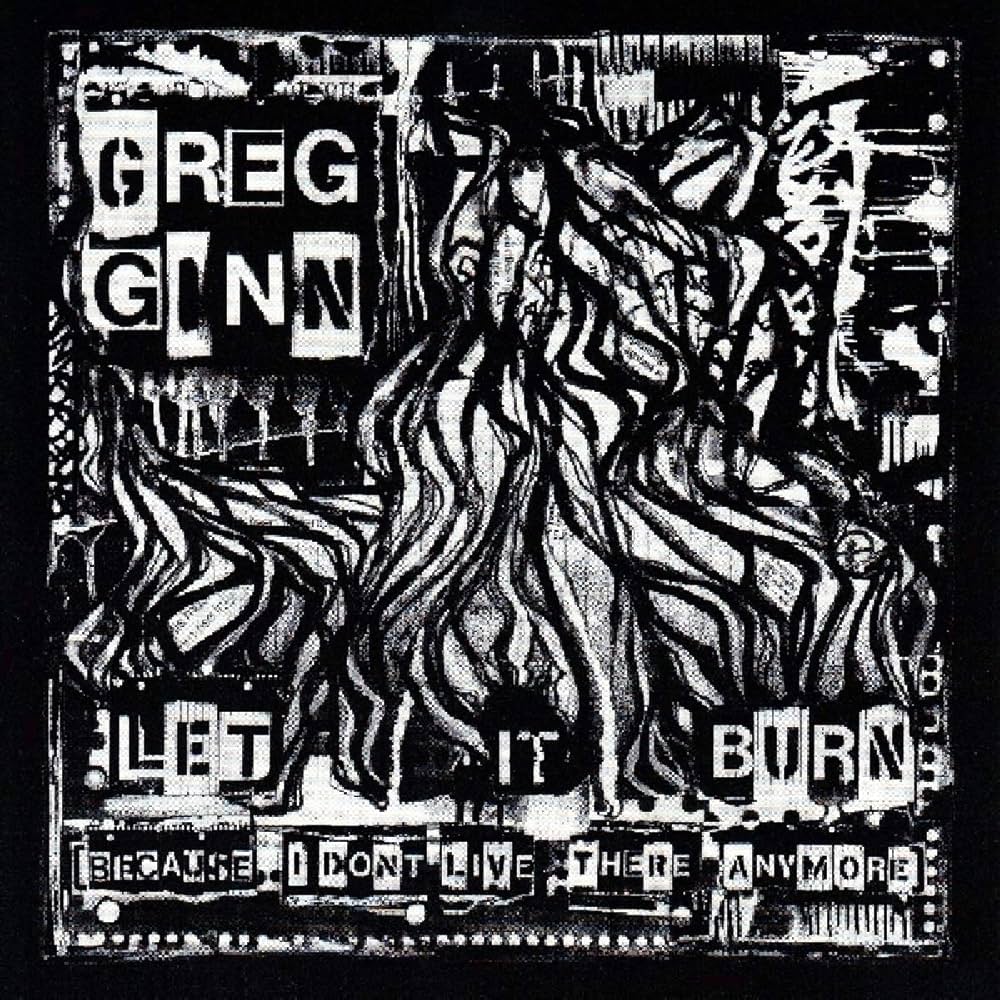
#253: Let It Burn (Because I Don't Live There Anymore) (1993)
Artist: Greg Ginn
Cruz Records
A wildly experimental and deeply abrasive detour, Greg Ginn's 1998 solo release Let It Burn (Because I Don't Live There Anymore) — his third in the space of less than a year and a half after the onimously titled Getting Even and Dick — completely dismantles the traditional structural mechanics of punk rock. As the founding visionary of Black Flag and the SST Records empire, Ginn actively took over the lead vocal and bass roles for most of the tracks and dispensed with live drums in favor of programmed ones. The sonic architecture of the album is dominated predominantly by his highly distinctive, violently angular guitar playing but also by his own vocal style, trying to differentiate himself from those that had sung in his old band. Channeling the fierce, atonal dissonance of free-jazz pioneers, Ginn unleashes erratic, heavily compressed solos and chaotic chord clusters over a bizarre, stripped-down rhythm grid. From a production standpoint, it is a highly insular, unapologetic, and aggressively raw piece of machinery. It stands as a challenging, fiercely independent artifact that perfectly captures the godfather of the American hardcore underground continuing to push his heavily distorted muse into completely uncharted territories.
#254: Beat (1982)
Artist: King Crimson
Warner Bros. / E.G. Records
A breathtakingly complex, high-velocity masterclass in 1980s progressive engineering, King Crimson's 1982 release Beat perfectly solidifies the band's astonishing structural reinvention. I had gotten this album as a 15th birthday gift alongside In the Wake of Poseidon, and it represents a brilliant, accidental piece of curation $mdash; perfectly capturing the crucial "second chapters" from two entirely different eras of the band's sprawling evolution. Functioning as a conceptual homage to the Beat Generation, the album completely discards the sweeping, symphonic architecture of the 1970s. Instead, Robert Fripp and Adrian Belew weave terrifyingly precise, gamelan-inspired polyrhythms utilizing cutting-edge Roland guitar synthesizers. This dizzying, mathematical grid is flawlessly anchored by Tony Levin’s revolutionary, heavy-grooving Chapman Stick and Bill Bruford’s pioneering deployment of electronic Simmons drum pads. Driven by the frantic, chaotic brilliance of "Neurotica" and the sharp, pop-adjacent mechanics of "Heartbeat," it stands as a flawless, airtight sonic machine that brilliantly dragged progressive rock straight into the modern era.
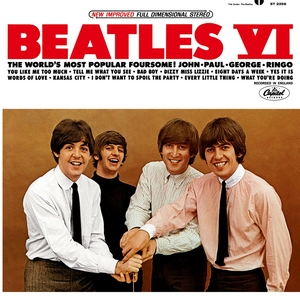
#255: Beatles VI (1965)
Artist: The Beatles
Capitol Records
A fascinating and highly defensible artifact of the legendary US and UK discography divide, Beatles VI represents the absolute zenith of Capitol Records' aggressive, mid-1960s repackaging machinery. While it extensively harvests tracks from the British Beatles For Sale release, this specific 1965 configuration accidentally achieves its own brilliant, high-energy sonic architecture. It seamlessly bridges the band's rhythm-and-blues foundation with the acoustic-driven pop mechanics of the impending Help! era. However, from a historical and engineering standpoint, the undisputed centerpiece of this record is the blistering Larry Williams cover, "Bad Boy." Recorded during a highly efficient session at Abbey Road specifically to fulfill the exclusive tracklist demands of the North American market—right alongside "Dizzy Miss Lizzy," which Capitol poached before it could close out the UK's Help! album—these sessions capture John Lennon delivering a spectacularly raw, vocal-shredding performance over razor-sharp, double-tracked guitar work. It stands as a vital, highly kinetic piece of physical media that proves even the band's administrative, studio-quota sessions produced absolute rock-and-roll masterclasses.

#256: Queens Are Trumps (2012)
Artist: SCANDAL
Epic Records Japan
A spectacular, high-velocity triumph of Japanese pop-rock, SCANDAL's 2012 release Queens Are Trumps represents a massive structural evolution for the quartet. Transitioning flawlessly from their fiercely independent garage-rock origins into a highly polished, stadium-ready juggernaut, the band engineered an incredibly tight sonic architecture. The mechanical core of this record relies on the absolute precision of its rhythm section, with Tomomi Ogawa's heavily melodic, driving basslines locked perfectly into Rina Sizuki's airtight drum grids. This fiercely disciplined foundation provides a massive canvas for Haruna Ono and Mami Sasazaki's razor-sharp dual-guitar interplay. From a structural standpoint, the absolute undisputed highlight of this finely tuned engine is the wildly infectious "Pin Heel Surfer." The track brilliantly weaponizes classic rock-and-roll swagger, utilizing a deeply grooving, strutting riff that seamlessly collides with pristine modern J-pop melodic hooks. It is a wildly fun, flawlessly executed piece of pop-rock machinery that firmly cemented the band's status as undeniable heavyweights of the scene.
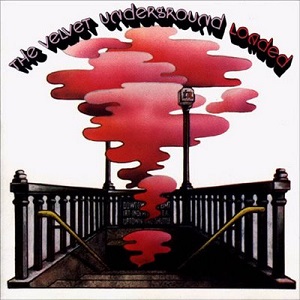
#257: Loaded (1970)
Artist: The Velvet Underground
Cotillion Records
A brilliant, bulletproof masterpiece born from absolute structural chaos, The Velvet Underground's 1970 release Loaded is a towering artifact of alternative rock history. Tasked by Cotillion Records to deliver an album "loaded with hits," the band completely bypassed their avant-garde, drone-heavy architecture to engineer a pristine, ringing pop-rock canvas. However, the logistical machinery surrounding the record was in total collapse. Their former label, MGM, attempted to sabotage the release by actively dropping a cheap compilation right before the album hit the streets. Internally, the band was imploding; frontman Lou Reed famously quit mere weeks before the release, allowing bassist Doug Yule to commit outright studio mutiny. Yule aggressively hijacked the final mix, heavily dominating the vocal takes and notoriously falsifying the songwriting credits. Yet, despite this profound mechanical breakdown, the album stands as a flawless pop-rock engine. Anchored by immortal, foundational anthems like "Sweet Jane" and "Rock & Roll," it permanently cemented the band's iconography and planted the undisputed architectural seeds for the entire indie rock movement.
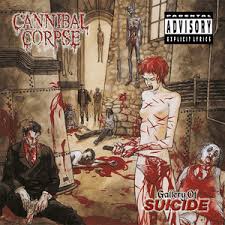
#258: Gallery of Suicide (1998)
Artist: Cannibal Corpse
Metal Blade Records
A massive, highly technical upgrade to their signature blueprint of brutality, Cannibal Corpse's 1998 release Gallery of Suicide stands as an absolute top-tier heavyweight in the extreme metal archives. From an engineering perspective, tracking with producer Jim Morris at Morrisound Recording granted the band their most pristine, punishingly clear sonic architecture to date. This massive leap in production value finally allowed Alex Webster’s wildly complex, heavily grooving bass lines to cleanly punch through the dense rhythm grid. However, the true mechanical catalyst of this record is the arrival of co-guitarist Pat O'Brien. Interlocking flawlessly with veteran Jack Owen, O'Brien injected the band's framework with a terrifyingly precise, unhinged level of classical shredding—a virtuosic intensity that fundamentally elevated the band's musical ceiling, regardless of the tragic, literal madness that would define his later personal life. This highly disciplined, hyper-violent canvas perfectly anchors George "Corpsegrinder" Fisher's commanding, rapid-fire gutturals. Driven by relentless tracks like "I Will Kill You" and "Disposal Of The Body", it is a flawlessly executed masterpiece of American death metal.
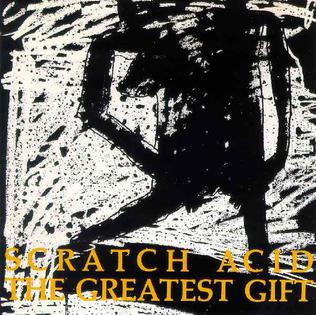
#259: The Greatest Gift (1991)
Artist: Scratch Acid
Touch and Go Records
A spectacularly feral, foundational artifact of the American underground, the 1991 anthological compilation The Greatest Gift captures the entire recorded legacy of Austin, Texas noise-rock pioneers Scratch Acid. Functioning as a complete architectural blueprint, this single CD houses their self-titled EP, the Just Keep Eating LP, and the Berserker EP. From a structural standpoint, the band actively dismantled the standard, high-velocity machinery of 1980s hardcore, opting instead to engineer a deeply abrasive, fiercely angular sonic canvas. The mechanical core is driven by the heavy, psychotic rhythm grid of bassist David Wm. Sims and drummer Rey Washam, providing a dark, sludgy foundation for Brett Bradford to deploy layers of violently scraping, dissonant guitar feedback. Hovering completely untethered above this menacing mix is frontman David Yow, who bypasses traditional vocals to deliver a howling, intensely theatrical, and wildly unhinged performance. It remains a flawless, deeply unnerving masterclass in sonic tension, serving as the raw, undisputed incubator for the future noise-rock juggernaut, The Jesus Lizard.

#260: My War (1984)
Artist: Black Flag
SST Records
An absolute structural watershed in the history of underground heavy music, Black Flag's 1984 release My War is the exact moment the band actively fractured the American hardcore scene. Masterminded by guitarist and primary songwriter Greg Ginn, the album operates in two distinctly hostile halves. The A-side delivers a hyper-aggressive, angular evolution of their established punk velocity, but the B-side is a terrifying descent into deep, grinding sludge. By dramatically slowing the tempo and injecting massive, Black Sabbath-inspired doom frameworks into tracks like "Nothing Left Inside" and "Scream," Ginn essentially engineered the blueprint for sludge metal and 90s grunge. Operating as a fiercely tight trio for the recording—with Ginn handling the punishing basslines under the pseudonym Dale Nixon, and Bill Stevenson anchoring the heavy, swinging drum pockets—the claustrophobic instrumentation forced frontman Henry Rollins into a deeply paranoid, emotionally unhinged vocal performance. It remains a polarizing, wildly influential, and completely uncompromising machine.
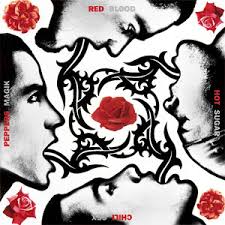
#261: Blood Sugar Sex Magik (1991)
Artist: Red Hot Chili Peppers
Warner Bros. Records
The 1991 breakthrough Blood Sugar Sex Magik completely re-engineered the Red Hot Chili Peppers' sonic framework. Teaming up with legendary producer Rick Rubin, the group actively abandoned the heavy, reverb-drenched metal crunch of their 1980s output. Instead, Rubin relocated the band to a Hollywood mansion and utilized an incredibly dry, unvarnished recording technique. This stark mechanical approach resulted in a breathtakingly punchy rhythm grid, perfectly locking Flea’s hyper-active basslines into Chad Smith’s airtight, heavy-grooving drum pockets. This newly spacious audio environment provided the ultimate canvas for guitarist John Frusciante, who deployed brilliant, minimalist, Hendrix-inflected chord structures that allowed the tracks to breathe. Forced to adapt to this highly exposed mix, Anthony Kiedis delivered his most dynamic and vulnerable vocal performances to date, anchoring massive, era-defining anthems like "Give It Away" and "Under the Bridge." It stands as a flawlessly produced, incredibly warm piece of 1990s alternative machinery.
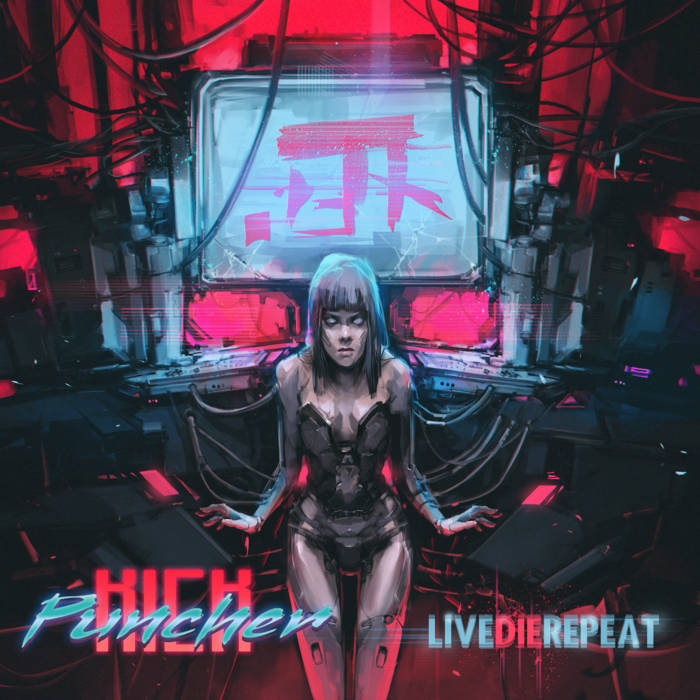
#262: LiveDieRepeat (2021)
Artist: Kick Puncher
NewRetroWave
A relentless, highly aggressive masterclass in modern darksynth architecture, Kick Puncher's 2021 release LiveDieRepeat operates like a high-velocity, dystopian combat simulator. Completely bypassing the bright, sugar-coated nostalgia often associated with the 1980s retrowave movement, the Australian producer actively engineers a venomous, deeply cinematic sonic environment. The mechanical core of the album is built upon terrifyingly precise, pounding drum programming locked effortlessly into massive, heavily sequenced bass arpeggiators. Over this airtight, nocturnal grid, Kick Puncher layers incredibly thick, distorted synthesizer textures and razor-sharp leads. Designed with extreme digital precision, standout tracks like "Hunter-Killer" and "Clubmetal" serve as highly stylized, heavy-hitting anthems that firmly establish the record as an undisputed triumph of the cyberpunk underground. It is a flawlessly constructed, fiercely independent machine operating entirely in the dark.
#263: The Dark Side of the Moon (1973)
Artist: Pink Floyd
Harvest / Capitol Records
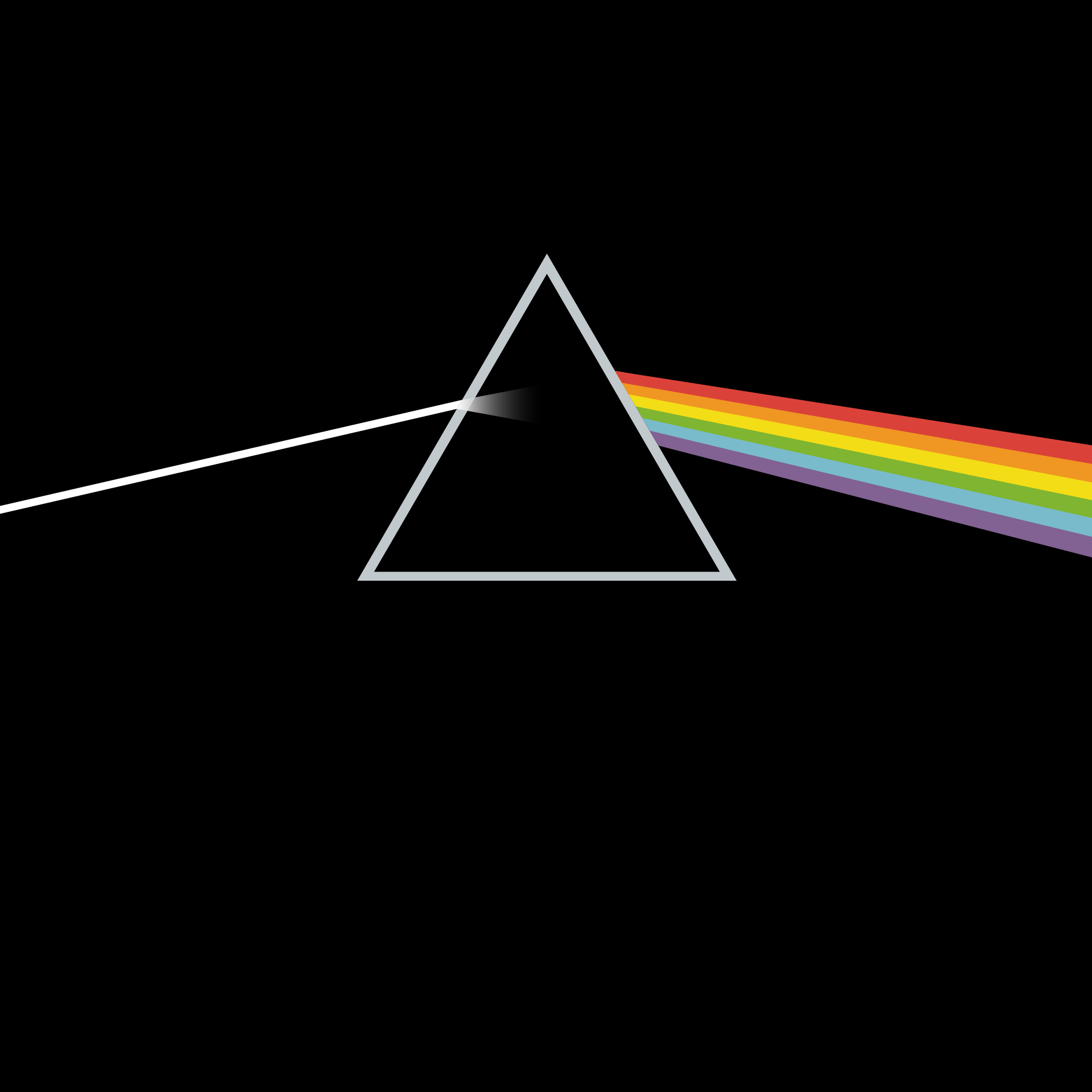
Pink Floyd's 1973 masterpiece The Dark Side of the Moon doesn't need an intriduction except to the few mortals not immediately familiar with this album that pretty much took up permanent residence on the Billboard Album Chart until that magazine decided to start a Catalog Album chart to make room for newer platters. A towering, undisputed monument of analog engineering, Dark Side... fundamentally altered the architectural possibilities of the modern recording studio. Teaming up with engineer Alan Parsons at Abbey Road Studios, the band actively bypassed standard rock mechanics to build a deeply immersive, conceptual soundscape. The mechanical framework of the album is staggeringly advanced for its era, utilizing pioneering EMS VCS 3 synthesizers, deeply spatial audio panning, and painstaking physical tape manipulation—most notably the hand-spliced, rhythmic cash-register loop that anchors the 7/8 time signature of "Money." This pristine, highly disciplined sonic canvas provided the ultimate foundation for David Gilmour’s soaring, emotionally charged guitar solos and Richard Wright’s rich, atmospheric keyboard textures. Unified by Roger Waters' profound lyrical exploration of mortality, conflict, and madness, it stands as a flawlessly executed, timeless piece of sonic machinery that permanently established the gold standard for high-fidelity album production.
#264: New York (1989)
Artist: Lou Reed
Sire Records
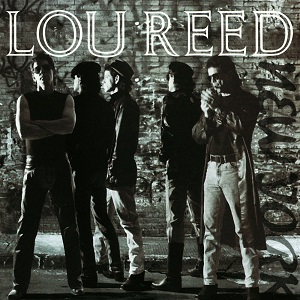
A towering, fiercely literate triumph of street-level storytelling, Lou Reed's 1989 masterpiece New York completely dismantled the glossy, over-produced aesthetics of the decade. Functioning as a cohesive audio novel meant to be consumed in a single sitting, the album captures the stark, unvarnished reality of a decaying metropolis. From a structural standpoint, Reed engineered a brilliant return to basics, deploying an airtight rock quartet with a strict ban on synthesizers and excessive overdubs. The audio architecture is incredibly precise: Reed and Mike Rathke’s interlocking, razor-sharp guitars are hard-panned to opposing channels, creating a massive central pocket. This wide-open space is flawlessly anchored by Fred Maher's dry, punchy rhythm grids and Rob Wasserman's heavy-grooving 6-string electric upright bass (save for two tracks where Maher played a Fender bass, acting as a one-man rhythm section on "Romeo Had Juliette" and "Busload Of Faith"). Operating atop this highly exposed mechanical framework, Reed essentially acts as a cynical, razor-sharp journalist, delivering biting, spoken-word-inflected dissections of political corruption, urban grit, and societal collapse. Anchored by legendary tracks like "Romeo Had Juliette" and "Dirty Blvd.," it stands as a flawless, structurally pure piece of American rock machinery.
#265: The Feeding of the 5000 (1978)
Artist: Crass
Small Wonder / Crass Records
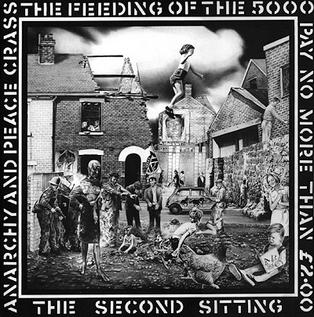
An uncompromising, scorched-earth statement from the British underground, Crass's 1978 debut The Feeding of the 5000 serves as the undisputed architectural blueprint for the global anarcho-punk movement. Far more than a traditional album, it functions as a highly disciplined, weaponized political manifesto. The band entirely bypassed the commercial mechanics of the rock industry to forge a fierce, self-sustaining DIY framework. From a sonic standpoint, the record is pure, utilitarian machinery. The rhythmic grid is heavily dictated by Penny Rimbaud’s relentless, militaristic snare drum rolls, entirely discarding traditional rock grooves to create a hyper-anxious, airtight foundation. Over this aggressive highway, the dual-guitar attack of N.A. Palmer and Phil Free deploys a scraping, unyielding wall of buzzsaw noise. This relentless audio environment provides the ultimate pulpit for Steve Ignorant’s raw, rapid-fire vocal assault. Punctuated by pioneering tape collages and spoken-word interludes from Eve Libertine and Joy de Vivre, it remains a fiercely independent, structurally brilliant battering ram of an album that permanently altered the trajectory of independent music.
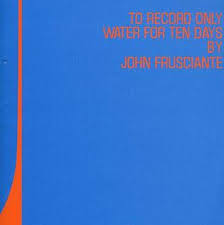
#266: To Record Only Water for Ten Days (2001)
Artist: John Frusciante
Warner Bros. Records
John Frusciante's 2001 solo release To Record Only Water for Ten Days, a profoundly intimate and highly experimental example of lo-fi architecture, represents a deeply vulnerable creative rebirth. Retreating from the massive, stadium-sized studio mechanics of his work with the Red Hot Chili Peppers, Frusciante actively restricted his sonic canvas, engineering the album almost entirely on a Yamaha MD8 multitrack Minidisc recorder. From a structural standpoint, the record is a fascinating collision of cold digital precision and raw acoustic humanity. The rhythm grids are built almost exclusively on stark, mechanical drum machines and vintage synthesizers, heavily drawing upon the structural influence of 1980s synth-pop and post-punk. Anchored to this rigid, unyielding foundation are Frusciante's beautifully frayed, heavily textured guitar work and his soaring, intensely emotional falsetto. Driven by haunting, atmospheric tracks like "Murderers" and "Going Inside," it stands as a flawless, deeply personal piece of DIY machinery that perfectly exposes the unvarnished core of his songwriting genius.

#267: Metal Box - Rebuilt in Dub (2021)
Artist: Jah Wobble
Cleopatra Records
A towering, sub-bass-heavy triumph of structural re-engineering, Jah Wobble's 2021 release Metal Box - Rebuilt in Dub completely dismantles and reconstructs the architectural framework of Public Image Ltd's legendary 1979 post-punk masterpiece. As the original bassist and foundational architect of the PiL sound, Wobble actively bypasses a standard cover-album approach, opting instead to subject the source material to extreme, subterranean dub mechanics. From a production standpoint, the record is a brilliant masterclass in spatial manipulation. The rhythm grids are aggressively treated with massive echo chambers, heavy tape delay, and sweeping reverb, allowing Wobble's unmistakable, deeply grooving basslines to dictate the entire physical weight of the mix. Anchored to this indestructible low-end foundation, guitarist Jon Klein (formerly of Siouxsie and the Banshees) expertly recreates the abrasive, metallic scraping of the original arrangements. It stands as a flawless, deeply hypnotic sonic machine that beautifully bridges the paranoid tension of late-70s British post-punk with the vast, expansive techniques of traditional Jamaican dub engineering.
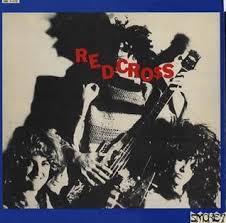
#268: Born Innocent (1982)
Artist: Redd Kross
Smoke 7 Records / Frontier Records
A gloriously scrappy monument to teenage audacity, Redd Kross's 1982 debut Born Innocent completely defied the rigid expectations of the early Los Angeles hardcore scene. While their local peers were busy leaning into aggressive, tough-guy posturing, brothers Jeff and Steven McDonald %mdash; the latter still in his early teens — opted to build a chaotic, hyper-energetic sonic machine fueled entirely by junk television and B-movie trash culture. From a structural standpoint, the band brilliantly hijacked the breakneck, buzzsaw velocity of traditional punk rock and aggressively fused it with 1960s bubblegum pop melodies and glam-rock swagger. The lo-fi, unvarnished production perfectly suits their deeply bizarre, pop-culture-obsessed songwriting. Placing frantic, distorted tributes to actresses like Linda Blair right alongside a sneering cover of Charles Manson's "Cease to Exist," the album is a masterclass in subversion. It stands as a fiercely independent, wildly entertaining artifact that proved underground music could thrive on pure, unadulterated fun.
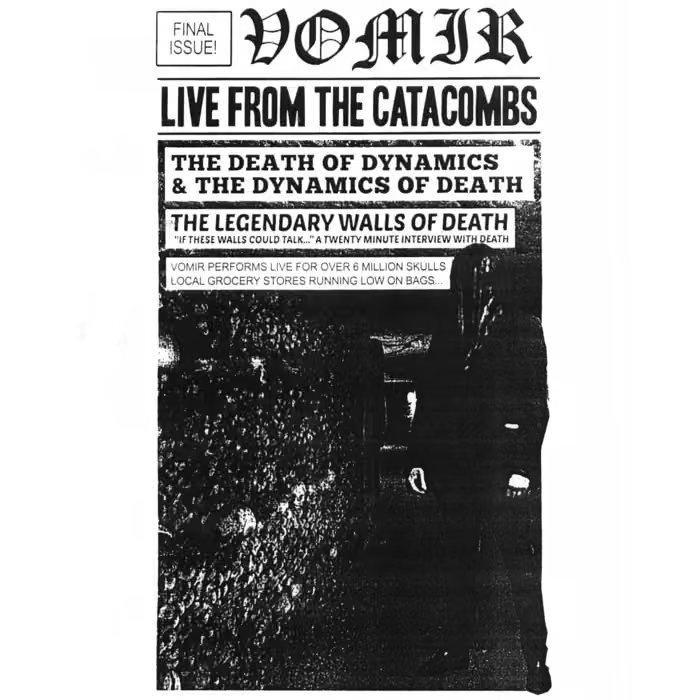
#269: Live From The Catacombs (2021)
Artist: Vomir
Deathbed Tapes
There is a fundamental difference between music constructed to entertain and sound engineered to obliterate. With his 2021 release Live From The Catacombs, French noise artist Romain Perrot $mdash; operating under the moniker Vomir — delivers the absolute, uncompromising epitome of the Harsh Noise Wall (HNW) movement. Governed by his strict manifesto of "no ideas, no change, no development, no entertainment, no remorse," Perrot entirely discards the concept of musical progression. Instead, this release serves up two ten-minute, monolithic slabs of blunt, suffocating drone buried beneath a violently jittering mid-range frequency assault. From an engineering perspective, it is a brilliantly effective exercise in total stasis; there are no peaks, valleys, or reprieves, only an unwavering wall of static designed to induce deep sensory deprivation. Fittingly, the physical cassette was originally packaged inside a plastic bag—a direct nod to Vomir's infamous live performances where he stands completely motionless with a bag over his head to enforce absolute sonic isolation. It is not meant for casual listening, but rather stands as a physically demanding, nihilistic monument in the extreme audio underground. This, and many of Vomir's other releases of "uneasy listening" helped me stay on an even keel after the passing of my parents in 2021, and I got to thank Romain directly through his Instagram for it a few months later, something he reacted positively to.

#270: English Settlement (1982)
Artist: XTC
Virgin Records
A sprawling, beautifully intricate masterpiece of post-punk architecture, XTC's 1982 release English Settlement demands to be experienced in its original, uncompromised double-album format. Operating at the absolute zenith of their creative ambition, songwriters Andy Partridge and Colin Moulding engineered a deeply pastoral yet rhythmically complex sonic canvas, brilliantly anchoring sweeping acoustic guitars to drummer Terry Chambers' massive, tribal rhythms. However, the original American release stands as a notorious example of corporate sabotage. Against the band's explicit objections, Epic Records aggressively truncated the meticulously sequenced double-LP into a single disc, structurally compromising the intended flow of the record to satisfy commercial quotas. This gross mishandling of their artistic blueprint proved unforgivable, serving as the primary catalyst for XTC to abandon Epic and secure a new US home with Geffen Records. When absorbed in its complete, uncut form, the album is a flawless, deeply immersive triumph of British pop craftsmanship.
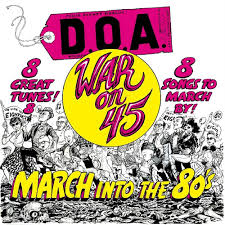
#271: War On 45: March Into The 80s (1982)
Artist: D.O.A.
Alternative Tentacles
A brutally efficient, politically charged strike from the undisputed pioneers of Canadian hardcore, D.O.A.'s 1982 EP War On 45: March Into The 80s (the title mocking the then-recently ubiquitus Stars On 45 recorded medleys) is a masterclass in aggressive, street-level architecture. Released through the legendary Alternative Tentacles imprint, the eight-song manifesto actively bypassed the bloated commercial rock formats of the era in favor of a lean, high-velocity assault. Operating with terrifying precision, the band utilizes a dense, heavily overdriven guitar tone to bulldoze through frantic, airtight rhythm grids. Driven by the uncompromising, anti-militaristic vision of frontman Joey "Shithead" Keithley, the record directly targets the rising anxieties of the Cold War. Structurally, the EP is a relentless barrage of vital, fist-pumping anthems, highlighted by an absolutely brilliant, hyper-accelerated reinvention of Edwin Starr's classic protest track, "War" and supplemented on the same side with the dub reggae brilliane of "War In The East" and a nail-on-the-head cover of The Dils' "Class War". It remains a flawless, unyielding piece of underground machinery that firmly cemented Vancouver on the global punk rock map.
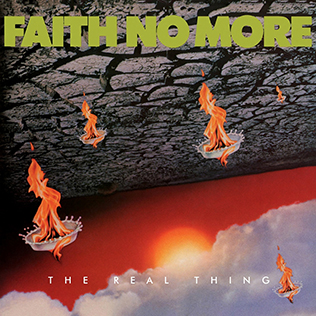
#272: The Real Thing (1989)
Artist: Faith No More
Slash / Reprise
A brilliant, highly volatile structural mutant, Faith No More's 1989 breakthrough The Real Thing permanently shattered the rigid genre boundaries of late-80s rock architecture. The mechanical framework of the album relies on a massive, heavy-grooving tribal rhythm section anchored by bassist Billy Gould and drummer Mike Bordin. Over this airtight grid, the band engineered a completely bizarre sonic collision, seamlessly fusing Jim Martin's crushing, thrash-metal guitar riffs with Roddy Bottum's pristine, atmospheric synthesizer textures. Yet, the undisputed catalyst of this record is the arrival of a young Mike Patton. Hijacking the vocal booth, Patton delivers a terrifyingly elastic performance, effortlessly cycling through frantic rapping, death-metal shrieks, and lounge-singer crooning with staggering precision. Driven by the colossal, era-defining success of the single "Epic," the album served as a highly effective Trojan Horse, smuggling aggressively weird, avant-garde funk-metal directly into the mainstream consciousness. It remains a flawlessly constructed, wildly unpredictable triumph of alternative music.

#273: Joshi Noise Worship: Kana Bathed in Cobalt
Artist: Slit Throats
Independent / Self-Released
Returning to the uncompromising, extreme fringes of the harsh noise underground, Roman Leyva's Slit Throats project delivers another towering monument of sensory obliteration. Joshi Noise Worship: Kana Bathed in Cobalt directs its devastating audio machinery toward the world of Japanese professional wrestling, acting as a brutal, texture-heavy tribute to the legendary performer Kana (widely known as Asuka). To properly channel her fiercely violent and vivid in-ring persona, Leyva entirely discards traditional rhythm grids and melodic structures. In their place, he engineers a colossal, immovable block of distorted frequency, utilizing suffocating waves of pure static, tearing feedback, and dense electronic shrapnel. While the uninitiated may hear only abrasive destruction, the album functions as a highly effective, physically demanding tool for total sensory deprivation. It is a dense, deeply cathartic wall of sound that utilizes absolute sonic chaos to provide a necessary, impenetrable sanctuary for the listener.
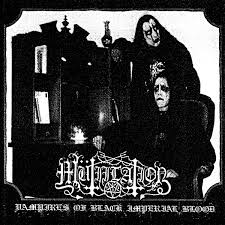
#274: Vampires of Black Imperial Blood (1995)
Artist: Mütiilation
Drakkar Productions
An absolute, uncompromising masterclass in raw analog decay, Mütiilation's 1995 debut Vampires of Black Imperial Blood is a foundational monument of the French black metal underground. As a central pillar of the secretive Les Légions Noires (The Black Legions) collective, mastermind Meyhna'ch actively bypassed the blistering, hyper-aggressive mechanics of the Norwegian scene. Instead, he engineered a sonic architecture that sounds as if it is physically rotting on the tape. From a production standpoint, the fidelity is maliciously lo-fi: razor-thin, heavily distorted guitars swarm over a deeply buried rhythm grid and a thick blanket of tape hiss. However, the true brilliance of this machine lies in the devastatingly sad, gothic melodies hidden beneath the grime. Anchored by Meyhna'ch's tortured, theatrical vocal delivery, the album effectively weaponizes a profoundly depressive, vampiric atmosphere. It stands as a flawlessly ugly, deeply influential artifact that permanently defined the sound of raw, suicidal black metal.
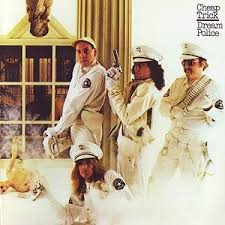
#275: Dream Police (1979)
Artist: Cheap Trick
Epic Records
Dream Police is the sound of a band operating with absolutely unlimited confidence. Interestingly, from a logistical standpoint, the album was fully completed a year prior but was shelved by Epic Records to clear the runway for the unexpected, colossal global success of At Budokan. When finally unleashed, the studio album revealed a flawlessly engineered power-pop machine. The rhythmic foundation relies on the massive, completely unique low-end frequencies of Tom Petersson's 12-string bass, locked seamlessly into Bun E. Carlos's driving, swing-heavy drum grids. This airtight framework provides the ultimate canvas for guitarist Rick Nielsen to brilliantly fuse pristine, Beatles-esque melodic hooks with heavy, aggressive hard-rock crunch. Anchored by the terrifyingly versatile, chameleonic vocal delivery of frontman Robin Zander, the album is a masterpiece of dynamic scale. Highlighted by the sweeping, heavily orchestrated paranoia of the title track and "Gonna Raise Hell", mixed with deep cuts like "The House Is Rockin' (With Domestic Problems)" and "I Know What I Want" (with a rare Petersson lead vocal), it remains a fiercely disciplined, perfectly constructed artifact of late-70s rock majesty.