

Favorites: Albums — 176 to 200
What would Steve Albini do?
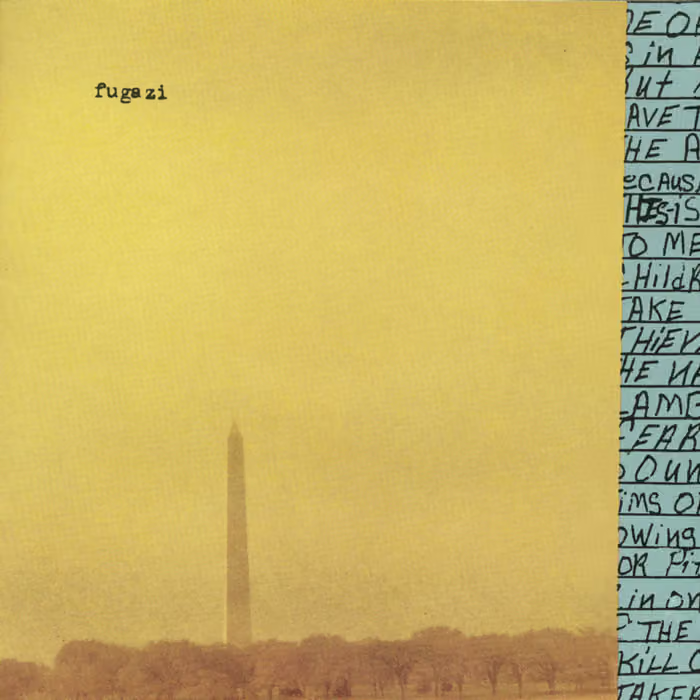
#176: In on the Kill Taker (1993)
Artist: Fugazi
Dischord Records
Operating as the undisputed apex of East Coast post-hardcore, Fugazi's 1993 masterpiece In on the Kill Taker is an overwhelming, intensely aggressive sonic assault. Famously, the band scrapped an initial recording session with Steve Albini in Chicago (just recently officially reissued digitally as Albini Sessions, with the proceeds going to a favorite charity of the iconic musician/engineer), retreating to their trusted Inner Ear Studios to completely re-record the album with Ted Niceley and Don Zientara. The resulting production is breathtakingly thick and abrasive, perfectly capturing the band's unparalleled live ferocity. The musicianship is staggeringly tight, built around the tense, angular, and interlocking guitar work of Ian MacKaye and Guy Picciotto, all driven forward by the heavy, dub-inflected rhythm section of Joe Lally and Brendan Canty. Featuring explosive, uncompromising anthems like "Facet Squared," "Smallpox Champion," and "Cassavetes," the album unexpectedly crashed the mainstream charts, proving that the band's fiercely guarded DIY ethics and uncompromising artistic vision were powerful enough to command a massive, global audience entirely on their own terms.
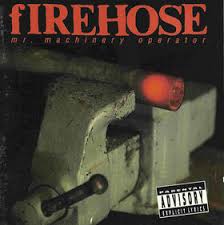
#177: mr. machinery operator (1993)
Artist: fIREHOSE
Columbia Records
Operating as the massive, heavy swan song for one of the most vital bands of the American alternative underground, fIREHOSE's 1993 release mr. machinery operator is a towering sonic achievement. For their final studio outing, the trio recruited Dinosaur Jr. mastermind J Mascis to produce, resulting in a noticeably thicker, heavily distorted aesthetic. Mascis brilliantly wrapped Ed Crawford's angular guitar work in a layer of fuzz that perfectly suited the era without ever burying the band's eccentric, jazz-punk DNA. The true anchor of the record remains the legendary, telepathic rhythm section of George Hurley and Mike Watt. Hearing Watt lay down those incredibly thick, rubbery basslines under the beefed-up production is a relentless thrill, highlighting the exact kind of brilliant, boots-on-the-ground creative energy he brings to every single collaboration he touches. The album also marks the first time Nels Cline appeared on a record with Watt, contributing a guitar solo to "4.29.91", an instrumental inspired by the LAPD Acquittal Riot. Driven by standout tracks like "Formal Introduction" and "Blaze," it is a muscular, uncompromising finale that permanently cemented the band's legacy.
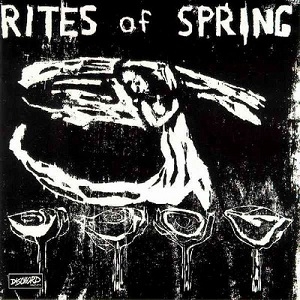
#178: End on End (1985)
Artist: Rites of Spring
Dischord Records
Operating as the undisputed ground zero for emotional hardcore, Rites of Spring's 1985 sole full-length End on End completely shattered the rigid boundaries of the Washington D.C. punk scene. Deliberately pivoting away from the hyper-aggressive, traditional thrash of their contemporaries, the band injected the speed and volume of hardcore with devastating introspection and raw, bleeding-heart melody. Produced by Ian MacKaye, the record captures future Fugazi architects Guy Picciotto and Brendan Canty operating at peak physical intensity. The production perfectly bottles the feeling of a band constantly teetering on the edge of collapse, driven by Picciotto's desperate, throat-shredding vocal catharsis and a frantic wall of heavily distorted, interlocking guitars. While the band famously rejected the "emo" subgenre they inadvertently spawned, immortal tracks like "For Want Of" and "Drink Deep" remain towering, viscerally exhausting anthems of vulnerability and rage that permanently altered the trajectory of American underground music.
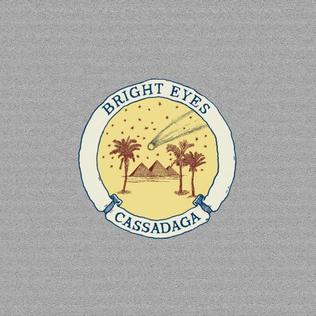
#179: Cassadaga (2007)
Artist: Bright Eyes
Saddle Creek
Operating as a massive, cinematic embrace of traditional Americana, Bright Eyes' 2007 release Cassadaga is a sweeping masterpiece of mystical folk-rock. Moving decisively away from the raw, trembling acoustic intimacy of his early career, frontman Conor Oberst collaborated with producer Mike Mogis and arranger Nate Walcott to craft the band's most expansive and heavily orchestrated record to date. Named after a renowned spiritualist community in Florida, the album brilliantly weaves themes of clairvoyance, apocalyptic anxiety, and spiritual searching into lush, towering arrangements. Boasting a rich tapestry of pedal steel, swirling strings, and vibrant brass, the production provides a magnificent, road-worn backdrop for Oberst's razor-sharp lyricism. Anchored by undeniable tracks like the fiercely driving "Four Winds" and the deeply hypnotic, atmospheric brilliance of "Coat Check Dream Song," it remains a profound, highly mature statement that perfectly bridges the gap between indie rock and classic country-folk.
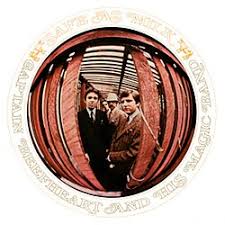
#180: Safe As Milk (1967)
Artist: Captain Beefheart and his Magic Band
Buddah Records
Operating as a foundational document of avant-garde blues-rock, Captain Beefheart and his Magic Band's 1967 debut, Safe As Milk, is a gloriously eccentric, razor-sharp masterpiece. Notoriously serving as the inaugural release for Buddah Records, the album also marks the very first production credit for Richard Perry, years before he would command the mixing desk for blockbuster acts like Ringo Starr and the Pointer Sisters. Because it was his first major outing during a transitional era for studio technology, his aggressive, hard-panned stereo mixing choices can be genuinely vertigo-inducing on modern headphones. Consequently, tracking down the dedicated, hard-hitting mono mix (easily done than said thanks to a reissue on the Sundazed label, as well as being available on streaming) is essential to fully experiencing the band's muscular power. Featuring the blistering slide guitar and intricate arranging work of a twenty-year-old Ry Cooder, the record brilliantly warps traditional Delta blues and psychedelic garage rock into bizarre, jagged new shapes, all anchored by Don Van Vliet's astonishing, howling vocal delivery.
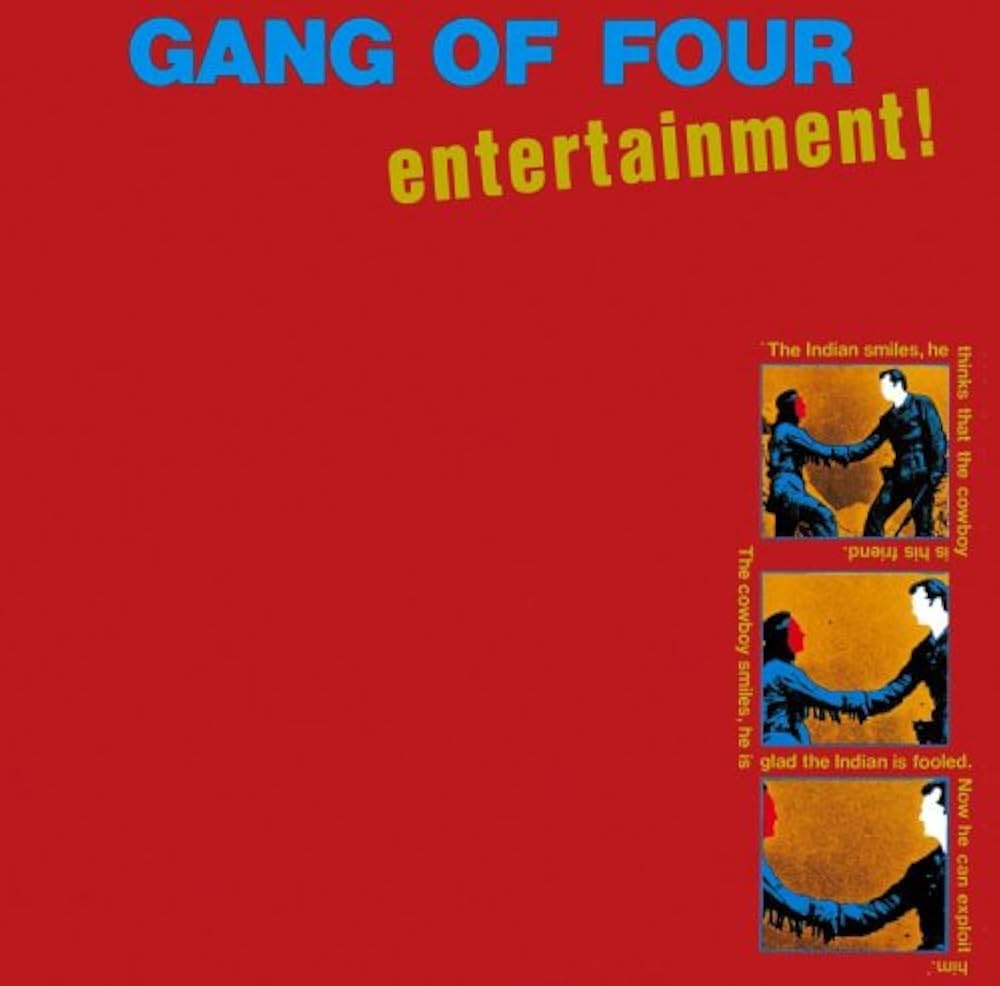
#181: Entertainment! (1979)
Artist: Gang of Four
EMI / Warner Bros.
Operating as the undisputed, definitive blueprint for the entire post-punk and dance-punk movements, Gang of Four's 1979 debut Entertainment! is a staggering achievement of musical deconstruction. Stripping away all traditional rock and blues clichés, the band engineered a stark, highly rhythmic sound that was as physically moving as it was intellectually fierce. The record is anchored by an incredibly airtight, dub-influenced rhythm section, with Dave Allen’s remarkably thick, funk-driven basslines locking perfectly with Hugo Burnham’s rigid dance beats. Slashing across this foundation is the visionary guitar work of the late Andy Gill, who eschewed standard riffs in favor of sharp, metallic, percussive bursts of feedback that sounded like shattering glass. Wrapped around Jon King's brilliantly cynical, Marxist critiques of consumerism and modern romance, legendary, immortal tracks like "Damaged Goods," "Anthrax," and "At Home He's a Tourist" profoundly influenced everyone from the Red Hot Chili Peppers to the pioneers of 90s grunge and 2000s indie rock (RHCP's Flea and Tad frontman Tad Doyal contributed glowing liner notes to the US CD reissue on the Henry Rollins/Rick Rubin-curated Infinite Zero label).
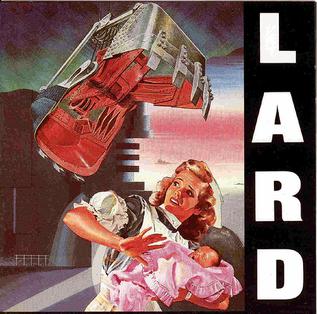
#182: The Last Temptation of Reid (1990)
Artist: LARD
Alternative Tentacles
Operating as one of the most lethal and brilliantly volatile supergroups in underground history, LARD's 1990 full-length The Last Temptation of Reid is an absolute juggernaut of industrial thrash. The album represents a perfect, high-speed collision between the unrelenting, heavy-metal machinery of peak-era Ministry — driven by the punishing production and programming of Al Jourgensen, Paul Barker, and Jeff Ward — and the biting, theatrical sociopolitical satire of frontman Jello Biafra. Functioning essentially as a dystopian pirate radio broadcast, Biafra’s frantic delivery cuts perfectly through the massive wall of buzzsaw guitars and jackhammer drum beats. Anchored by the immortal, adrenaline-fueled chaos of "Forkboy," the record also features a brilliantly unhinged cover of "They're Coming To Take Me Away, Ha-Haaa!" which includes a venomous, highly personal new verse penned by Biafra addressing the collapse of his marriage (no thanks to Frank Discussion) while Biafra was stuck in LA for the Frankenchrist obscenity trial. It stands as a fiercely intelligent, uncompromisingly aggressive monument to the industrial-punk crossover movement of the early 1990s.
#183: It Takes A Year (1977)
Artist: William Ackerman
Windham Hill Records
Operating as the foundational bedrock for the massively influential Windham Hill acoustic empire, William Ackerman’s 1977 sophomore release It Takes A Year is a masterclass in meditative, open-tuned fingerstyle guitar. Before the label became synonymous with the polished New Age movement of the 1980s, Ackerman was running a fiercely independent DIY operation, pressing and distributing these deeply intimate, pastoral recordings himself. Drawing influence from the American primitive guitar tradition but stripping away the aggressive blues grit, he crafted highly evocative, spatial melodies that relied entirely on the natural, woody resonance of his instrument. The resulting album is a breathtakingly quiet, atmospheric achievement. It stands as a brilliant reminder of the sheer emotional power of a single acoustic guitar recorded with meticulous care, providing an incredibly peaceful, grounding counterweight to the louder, heavier corners of the underground music scene.
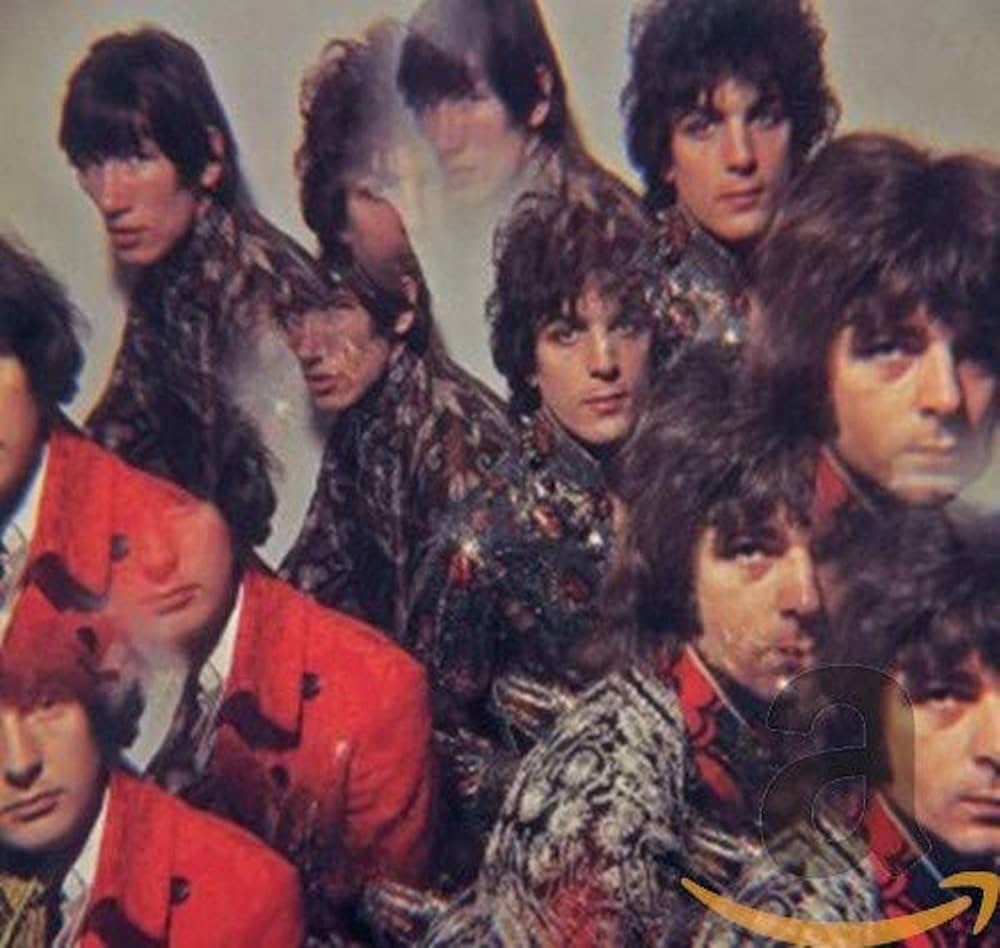
#184: The Piper at the Gates of Dawn (1967)
Artist: Pink Floyd
EMI Columbia
Operating as the undisputed, kaleidoscopic epicenter of British psychedelia, Pink Floyd's 1967 debut The Piper at the Gates of Dawn is the definitive, tragically brief testament to Syd Barrett's singular genius. Famously recorded at Abbey Road Studios while The Beatles were just down the hall tracking Sgt. Pepper, the band took a completely unhinged, heavily improvised approach to the studio environment. Barrett's songwriting is an intoxicating, highly eccentric blend of menacing, interstellar space-rock on tracks like "Astronomy Domine" and "Interstellar Overdrive," perfectly juxtaposed with deeply whimsical, absurdist English fairy tales like "The Gnome" and "Bike." This brilliant balance of childlike wonder and dark surrealism perfectly captures that uniquely British eccentricity that would soon pave the way for the classic, absurdist humor of the Monty Python troupe. From a physical media and production standpoint, much like with 1967's Safe As Milk, seeking out the original mono mix (again, easier done than said thanks to a recent reissue of the mono edition by Pink Floyd's own Sony Music-distributed label) is highly recommended to fully appreciate the raw, driving power of the rhythm section before Barrett's wild, echo-drenched guitar work completely floats into the ether. It is a monumental debut that permanently altered the trajectory of rock music.
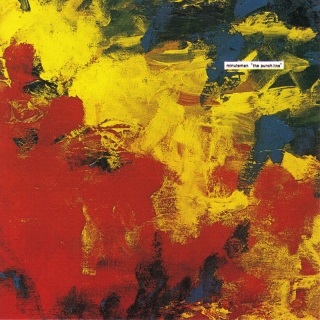
#185: The Punch Line (1981)
Artist: Minutemen
SST Records
Operating as the absolute bedrock of the San Pedro sound, the Minutemen's 1981 debut The Punch Line is a staggering masterclass in aggressive minimalism. Defying the standard conventions of the burgeoning hardcore scene, guitarist D. Boon, bassist Mike Watt, and drummer George Hurley completely stripped punk rock down to its highly disciplined, skeletal essence. The album famously crams 18 impossibly tight, jazz-inflected tracks into a frantic 15-minute runtime, allowing absolutely no room for filler or traditional rock posturing. Hearing Watt lay down his signature, elastic basslines (here driven with a flatpick rather than his fingers) in their earliest, most kinetic form is a thrill, perfectly anchoring Hurley's complex rhythms and leaving wide-open spaces for Boon's jagged guitar stabs and razor-sharp, proletarian lyricism. It is a fiercely intelligent, purely "econo" masterpiece that permanently expanded the boundaries of the American underground, proving that extreme brevity could walk hand-in-hand with virtuosic musical complexity.
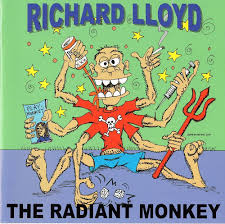
#186: The Radiant Monkey (2007)
Artist: Richard Lloyd
Parasol Records
Operating as a brilliant showcase of unadulterated guitar mastery, Richard Lloyd's 2007 solo effort The Radiant Monkey firmly cements his legacy as a foundational architect of the New York underground. Stepping entirely out of the shadow of his legendary tenure in Television, Lloyd handles vocals, bass, and all guitar duties, delivering an album of highly disciplined, razor-sharp rock. The production of the record is famously spartan: Lloyd banned all fuzz boxes, chorus pedals, and studio effects, opting instead to plug his Stratocasters straight into the amplifiers to capture a remarkably pure, raw tone. Limiting himself to a maximum of three interlocking guitar tracks per song, he weaves a dense, kinetic web of sound that leaves nowhere to hide. Bolstered by an appearance from his former Television bandmate Billy Ficca on "Kalpa Tree," tracks like "Glurp" and the blues-inflected title cut highlight Lloyd's signature, machine-like rhythm playing and blistering, meticulously structured lead work, resulting in a fiercely uncompromising rock and roll record.
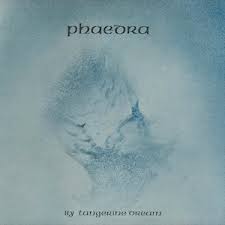
#187: Phaedra (1974)
Artist: Tangerine Dream
Virgin Records
Operating as the definitive cornerstone of the "Berlin School" of electronic music, Tangerine Dream's 1974 masterpiece Phaedra permanently altered the landscape of synthesizer composition. Moving away from their earlier avant-garde tape experiments, the trio of Edgar Froese, Christopher Franke, and Peter Baumann fully embraced the hypnotic potential of the Moog analog sequencer. The resulting album is a vast, transportive journey built upon relentless, pulsating arpeggios. Because the massive analog hardware of the era was notoriously temperamental, the tuning would subtly drift as the machines heated up, giving the sequenced rhythms a remarkably organic, breathing quality. By layering these evolving electronic grooves beneath eerie, sweeping Mellotron chords and highly textured VCS 3 sound design, the band essentially drafted the foundational blueprints for modern ambient, trance, and sequenced electronic music. It is a staggering, otherworldly achievement that proved hardware synthesizers could conjure deep, emotional landscapes entirely on their own terms.
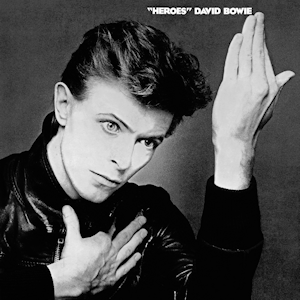
#188: "Heroes" (1977)
Artist: David Bowie
RCA Records
Operating as the undisputed, icy heart of his legendary "Berlin Trilogy," David Bowie's 1977 masterpiece "Heroes" is a towering triumph of avant-garde art-rock. Serving as a brilliant conceptual continuation from the Krautrock and "Berlin School" electronic movements that heavily inspired it, this was the only album of the trilogy recorded entirely at Hansa Studios, sitting directly in the shadow of the Berlin Wall. The record captures a staggeringly brilliant creative collision: Brian Eno manipulating his EMS VCS 3 synthesizer to craft vast, atmospheric textures, while King Crimson's Robert Fripp delivers his iconic, searing, feedback-drenched guitar lines. From an engineering standpoint, the album is legendary—most notably for producer Tony Visconti's brilliant multi-microphone gating technique on the title track, capturing the natural, cavernous reverb of the room as Bowie's vocal performance builds from a whisper to a desperate, towering roar. It is a profoundly atmospheric, fiercely experimental record that flawlessly bridges the gap between cold, mechanical synthesis and raw, bleeding-heart humanity.
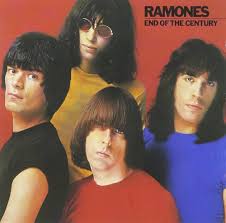
#189: End of the Century (1980)
Artist: Ramones
Sire Records
Operating as one of the most fascinating and highly scrutinized studio collisions in rock history, the Ramones' 1980 release End of the Century saw the architects of New York punk forcefully united with the maximalist "Wall of Sound" pioneer, Phil Spector. The sessions are legendary for their intense, chaotic friction, leading to decades of exaggerated lore—most notably bassist Dee Dee Ramone's oft-repeated claim that the core band didn't even play on the record. In reality, as clarified by contemporary music journalism of the era, the polarizing cover of "Baby I Love You" was the only track where Spector completely sidelined the band in favor of his veteran session players. For the rest of the album, Spector heavily layered the band's signature buzzsaw attack with sweeping orchestration, piano, and massive echo. The resulting record is a brilliant, polarized pop-punk masterpiece that beautifully highlights frontman Joey Ramone's deep, romantic obsession with classic 1960s girl-group melodies, yielding towering, melancholic classics like "Danny Says" alongside beefed-up anthems like "Do You Remember Rock 'n' Roll Radio?"
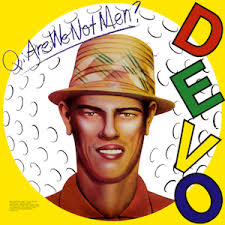
#190: Q: Are We Not Men? A: We Are Devo! (1978)
Artist: Devo
Warner Bros. / Virgin
Operating as one of the most fiercely intelligent and subversively weird debuts in the history of American music, Devo's 1978 Q: Are We Not Men? A: We Are Devo! completely dismantled the traditional rock and roll playbook. Championed heavily by David Bowie and Iggy Pop, the band traveled to Conny Plank's legendary studio in Germany to record with producer Brian Eno (who also funded the sessions himself, as this was right before the band signed to Virgin and Warner Bros.). The resulting album perfectly captures the band's brilliant concept of "de-evolution," replacing the blues-based swagger of classic rock with rigid, mechanical, and hyper-anxious arrangements. Driven by the mathematical, human-metronome drumming of Alan Myers, the rhythm section provides an airtight grid for Jerry Casale's rubbery basslines, Mark Mothersbaugh's squelching Minimoog synthesizers, and Bob Mothersbaugh's jagged guitar stabs. Anchored by immortal, idiosyncratic anthems like "Jocko Homo," "Mongoloid," and their radical, nervous deconstruction of "(I Can't Get No) Satisfaction," the record stands as a towering, highly influential monument to the new wave vanguard.
Trainspotters note: The Virgin UK edition of the album has a completely different cover (substituting a still from the band's "Jocko Homo" short film for the Chi Chi Rodriguez image on the US Warner Bros. album) and initial pressings came in several different colors of vinyl.
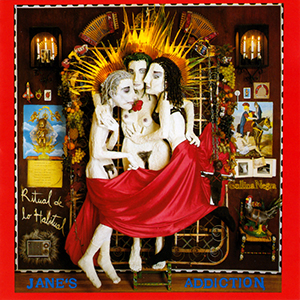
#191: Ritual de lo Habitual (1990)
Artist: Jane's Addiction
Warner Bros. Records
Operating as the definitive bridge between 1980s underground grit and the 1990s alternative rock explosion, Jane's Addiction's 1990 masterpiece Ritual de lo Habitual is a towering, deeply ambitious achievement. The album famously functions as a brilliant study in duality. The first half delivers an unrelenting, infectious assault of funk-inflected hard rock, highlighted by the massive, sample-kicked swagger of "Been Caught Stealing" and the breakneck adrenaline of "Stop!" The second half, however, shifts into sprawling, psychedelic gothic epics. Anchored by the legendary rhythm section of bassist Eric Avery and drummer Stephen Perkins, the back half of the record provides a massive, tribal canvas for Dave Navarro's soaring, atmospheric guitar heroics and frontman Perry Farrell's fiercely theatrical, mystical lyricism — peaking with the ten-minute magnum opus "Three Days." Recent double-LP pressings of the album have finally rectified the compressed, suffocated audio of the original single-disc run, allowing the band's dense, cinematic sonic architecture the physical groove space it has always deserved.
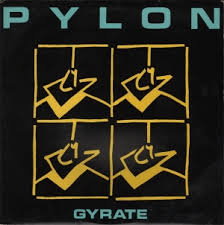
#192: Gyrate (1980)
Artist: Pylon
DB Recs
Operating as the brilliant, kinetic heartbeat of the legendary Athens, Georgia art-rock scene, Pylon's 1980 debut Gyrate is an absolute masterclass in Southern dance-punk. If their British contemporaries in Gang of Four provided the strict, sociopolitical deconstruction of the groove, Pylon delivered its wildly uninhibited, art-school party equivalent. The album is anchored by a remarkably airtight rhythm section, with bassist Michael Lachowski and drummer Curtis Crowe constructing deep, propulsive grids that demand physical movement. Slashing across this infectious bedrock is Randall Bewley's jagged, heavily percussive guitar work, perfectly clearing the lane for vocalist Vanessa Briscoe Hay. Her completely distinct, urgent delivery—a mix of commanding barks and sharp yelps—cuts through the mix with unparalleled energy. Long championed by contemporaries like R.E.M. as the greatest band in America, the sheer, forward-driving momentum of tracks like "Feast on My Heart" and "Danger" cements this record as an untouchable milestone of the American post-punk underground.
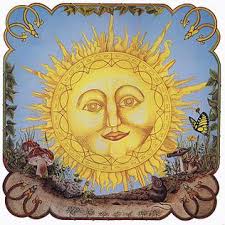
#193: 3:47 EST (1976)
Artist: Klaatu
Daffodil / Capitol
Operating as one of the most fascinating anomalies of 1970s rock, the Canadian progressive pop trio Klaatu delivered a lush, cinematic masterpiece with their 1976 debut, 3:47 EST. The album is famously the subject of one of the wildest rumors in music history: because the record was released with no personnel credits or band photos, and featured dense, highly psychedelic production heavily reminiscent of the Magical Mystery Tour era, a massive conspiracy theory ignited that the band was actually a secretly reunited Beatles. Stripped of the myth, the record remains a staggering achievement in symphonic, theatrical pop. Driven by uncanny, McCartney-esque vocal melodies on tracks like "Sub-Rosa Subway" and massive, sweeping orchestrations, it completely blurs the line between progressive rock and pure pop ambition. The album's legacy is further cemented by the gloriously absurd reality that its sprawling, sci-fi centerpiece, "Calling Occupants of Interplanetary Craft," was later remarkably covered by the soft-pop duo The Carpenters.
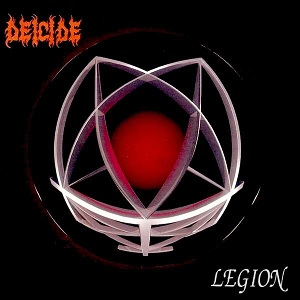
#194: Legion (1992)
Artist: Deicide
Roadrunner Records
Operating as the undisputed, terrifying apex of the legendary 1990s Florida death metal scene, Deicide's 1992 sophomore effort Legion is a masterclass in suffocating sonic chaos. Leaving behind the relatively straightforward brutality of their debut, the band engineered a deeply complex, labyrinthine record built on bizarre, almost avant-garde song structures. The dual-guitar attack of Eric and Brian Hoffman is staggeringly technical, weaving jagged, atonal riffs over the unrelenting, artillery-fire blast beats of drummer Steve Asheim. Captured with a notoriously dry, claustrophobic mix by producer Scott Burns at Morrisound Recording, the instrumentation provides a lethal backdrop for frontman Glen Benton's iconic vocal delivery. By layering his subterranean, guttural growls directly beneath unhinged, throat-shredding shrieks, he achieves a genuinely demonic resonance. Clocking in at a breathless 29 minutes, it is a fiercely uncompromising, sacrilegious monument that permanently raised the bar for speed, technicality, and sheer hostility in extreme metal.
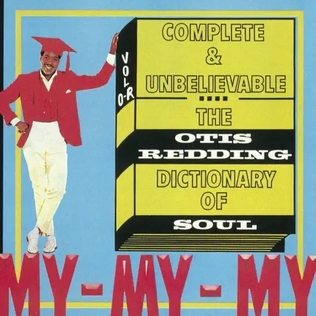
#195: Complete & Unbelievable: The Otis Redding Dictionary of Soul (1966)
Artist: Otis Redding
Volt / Stax Records
Operating as the towering, undisputed zenith of Southern soul music, Otis Redding's 1966 masterpiece Complete & Unbelievable: The Otis Redding Dictionary of Soul captures a legendary vocalist operating at peak physical and emotional intensity. Backed by the immaculate, airtight Memphis groove of Booker T. & the M.G.'s and the blasting brass of the Memphis Horns, the record is a masterclass in tension, release, and raw vocal power. For audiophiles and dedicated collectors, seeking out the dedicated mono mix—beautifully preserved in reissues by labels like Sundazed—is absolutely essential. It rescues the blistering rhythm section from the disjointed, hard-panned stereo mixing of the era, restoring the muscular, centralized punch required to support Redding's monumental delivery. Anchored by his frantic, iconic reinvention of The Beatles' "Day Tripper" and the legendary, perfectly paced slow-burn explosion of "Try a Little Tenderness," the album stands as a flawless monument to one of the greatest voices in the history of recorded music. And like several other entries here, its best heard in mono.
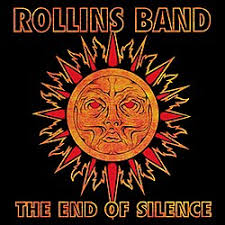
#196: The End of Silence (1992)
Artist: Rollins Band
Imago Records
The End of Silence. the Rollins Band's first major label album, is a massive, bruising evolution of the sludgy, jazz-metal direction hinted at during the final days of Black Flag. Released in 1992, The End of Silence is a masterclass in disciplined, physical aggression. The sheer power of the record is anchored by the breathtaking rhythm section of bassist Andrew Weiss and drummer Sim Cain, who construct impossibly tight, deeply grooving, and almost progressive foundations. This airtight grid allows guitarist Chris Haskett to unleash thick, monolithic riffs that perfectly match frontman Henry Rollins' vein-bulging, intensely poetic delivery. Produced by legendary engineer Andy Wallace along with the band's firth member, soundman Theo Van Rock, the album balances raw, underground grit with a massive, hard-hitting sonic polish. Driven by the fierce, cathartic introspection of their MTV breakthrough "Low Self Opinion" and the unrelenting drive of "Tearing," it stands as a towering, highly psychological masterwork that proved heavy, aggressive rock could be both intellectually rigorous and completely devastating.

#197: Best*SCANDAL (2009)
Artist: SCANDAL
Epic Records Japan
Operating as one of the most energetic and infectious debut albums of the 21st-century Japanese rock scene, SCANDAL's cleverly titled 2009 release Best*SCANDAL is a masterclass in kinetic, hook-driven garage rock. Despite an early marketing strategy that leaned heavily on a polished, uniform-clad aesthetic, the record decisively proved the Osaka-born quartet was a legitimate, hard-playing rock and roll machine. The band’s tightly coiled sound is brilliantly anchored by the virtuosic rhythm section of bassist Tomomi and drummer Rina, providing an airtight, aggressively melodic foundation for Mami's roaring lead guitar work and Haruna's commanding vocal delivery. Driven by massive, explosive singles like the rebellious anthem "Doll" and the driving, pop-punk perfection of "Shōjo S," the album completely shattered expectations. It remains a flawless, high-adrenaline introduction to a band that successfully bridged the gap between pure pop accessibility and genuine, street-level rock discipline.

#198: Sex Doctor (1986)
Artist: SWA
SST Records
One of the most unapologetically sludgy and fascinatingly polarizing acts on the legendary SST Records roster, SWA's 1986 sophomore effort Sex Doctor is a gritty, heavy slice of punk-metal. Formed by legendary bassist Chuck Dukowski following his departure from Black Flag, the band completely ignored the rigid rules of the mid-80s underground, opting instead to fuse hardcore aggression with the heavy, excessive swagger of 1970s hard rock. The band notoriously drew the ire of punk elitists—Steve Albini famously claimed listening to them was one of the worst things a person could do—but that visceral reaction only cemented their fiercely dedicated cult status. The album is entirely driven by its relentless rhythm section, with Dukowski's thick, overdriven basslines locking perfectly into the heavy grooves of drummer Greg Cameron (whose nickname directly inspired the album's title). Topped off by Richard Ford's jagged guitar work and Merrill Ward's theatrical, unhinged vocal delivery, it remains a fiercely uncompromising, gloriously weird document of the alternative rock trenches.
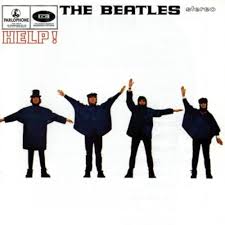
#199: Help! (1965)
Artist: The Beatles
Parlophone
Operating as the crucial, brilliant pivot point of their legendary career, the definitive UK edition of The Beatles' 1965 album Help! captures the band rapidly outgrowing the confines of Beatlemania. Unlike the US Capitol release, which was padded with instrumental film score tracks and stripped of key songs, the 14-track Parlophone pressing represents the group's true artistic vision. The record firmly bridges the gap between their early pop-rock dominance and the expansive studio wizardry that would define their later years. The songwriting maturity is staggering, highlighted by John Lennon's Dylan-influenced, acoustic introspection on "You've Got to Hide Your Love Away," and Paul McCartney's revolutionary use of a George Martin-arranged string quartet on "Yesterday." Featuring undeniable, frantic pop perfection on tracks like "Ticket to Ride" and the iconic title cut, the album remains a towering transitional masterpiece that permanently elevated the intellectual and musical parameters of rock and roll.

#200: ALTEREGO (2025)
Artist: Lisa
Lloud / RCA Records
A massive, unapologetic statement of independence and artistic evolution, Lisa's 2025 debut solo studio album ALTEREGO is a towering pop achievement. Stepping outside of the traditional K-pop machinery to release the project through her own independent imprint, Lloud, Lalisa Manoban took absolute control of her global narrative. The record is a masterclass in cutting-edge modern pop engineering, built upon a foundation of massive, trap-infused 808s and slick, highly polished electropop textures. The sheer sonic weight of explosive, club-ready anthems like "Rockstar" perfectly balances the infectious, atmospheric melodies of tracks like "Moonlit Floor" and the Rosalía-assisted "New Woman." It is a fiercely confident, high-adrenaline milestone that definitively proves her power and versatility as a standalone solo superstar, seamlessly bridging the gap between aggressive, bass-heavy swagger and undeniable, stadium-sized pop accessibility.