

Favorites: Albums — 151 to 175
Not "2x4", but more like 25x40...
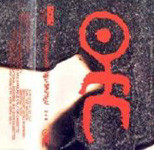
#151: 2x4 (1984)
Artist: Einstürzende Neubauten
ROIR
Operating as a chaotic, terrifying, and completely brilliant live document of the early European industrial scene, 1984's 2x4 captures Einstürzende Neubauten at their most feral and destructive. Originally released on cassette (and I went with the actual cassette cover for this entry rather than the CD reissue) via the legendary Reachout International Records (ROIR) label, the album compiles a series of blistering European live performances from the early 1980s. Rather than relying on traditional rock instrumentation or early analog synthesizers, frontman Blixa Bargeld and percussionists F.M. Einheit and N.U. Unruh famously weaponized the detritus of urban decay. By amplifying sheet metal, shopping carts, industrial springs, and power drills, they built a massive, rhythmic wall of avant-garde noise that completely redefined the boundaries of percussive sound design. Punctuated by Bargeld's blood-curdling, unhinged vocal shrieks, the record is a visceral collision of punk rock's destructive nihilism and high-concept experimental art, remaining an absolute foundational text for anyone exploring the outer limits of extreme, texture-driven music.
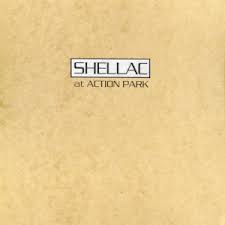
#152: At Action Park (1994)
Artist: Shellac
Touch and Go Records
Arriving as a massive, uncompromising statement of intent, 1994's At Action Park is the definitive manifesto of Steve Albini, Bob Weston, and Todd Trainer operating as Shellac. Functioning less as a traditional rock band and more as a fiercely disciplined minimalist trio, they stripped away all studio trickery to capture the sheer, physical force of their instruments moving air in a room. Albini's militant dedication to analog fidelity is legendary here; he insisted the master lacquers be cut at London's iconic Abbey Road Studios to ensure the dynamic, punishing weight of the recording was perfectly translated to vinyl. The resulting sonic landscape is terrifyingly precise. Trainer's deliberate, explosive drumming and Weston's heavily overdriven, grinding bassline create an impenetrable rhythmic foundation, leaving Albini the space to completely tear the mix apart with his sharp, jagged, and aggressively metallic aluminum guitar tones. Packaged in a heavy, classical-style "uni-fold" sleeve, it is an absolute holy grail for analog purists and noise rock disciples alike.
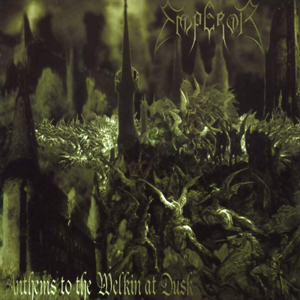
#153: Anthems To The Welkin At Dusk (1997)
Artist: Emperor
Candlelight Records / Century Black
Operating as the absolute pinnacle of symphonic black metal, Emperor's 1997 masterpiece Anthems To The Welkin At Dusk completely rewrote the rulebook for extreme music. Moving beyond the raw, basement-level recordings that defined the early Norwegian scene, guitarists Ihsahn and Samoth embraced a staggering level of neoclassical complexity and cinematic scope. The album is a brilliant, overwhelming tapestry of chaotic violence and high art, driven by the truly terrifying speed and precision of newly recruited drummer Trym Torson. Rather than using keyboards as mere atmospheric interludes, Ihsahn wove sweeping, majestic synthesizer lines directly into the dense, razor-sharp guitar riffs, creating a massive, multidimensional wall of sound. Tracks like "Thus Spake the Nightspirit" and "With Strength I Burn" operate with the dramatic weight of a classical symphony, proving that heavy metal could be relentlessly brutal while simultaneously achieving a profound, dark majesty.
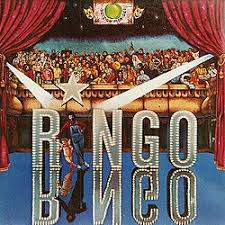
#154: Ringo (1973)
Artist: Ringo Starr
Apple Records
Operating as the undeniable, platinum-selling proof of his viability as a solo artist, 1973's Ringo completely destroyed any lingering narrative that Ringo Starr was merely the lucky beneficiary of his former bandmates' genius. It is a massive, joyous, and incredibly star-studded rock and roll triumph. Leveraging his universal goodwill within the industry, Ringo managed to achieve the impossible: securing active songwriting and performance contributions from John Lennon, Paul McCartney, and George Harrison, making it the closest the world ever came to a full Beatles reunion during the 1970s. Backed by a staggering studio ensemble that included Marc Bolan, Billy Preston, Harry Nilsson, and members of The Band, Richard Perry’s immaculate production resulted in massive, enduring anthems like "Photograph" and "It Don't Come Easy." It is a charming, swaggering monster of a record that permanently cemented Ringo's legacy as a brilliant, highly capable frontman in his own right.
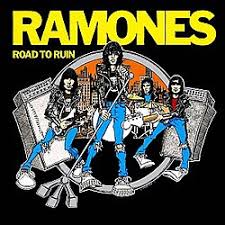
#155: Road To Ruin (1978)
Artist: Ramones
Sire Records
Operating as a crucial turning point in their legendary discography, the Ramones' 1978 effort, Road to Ruin, finds the band actively attempting to bridge the gap between their chainsaw-punk origins and the classic 1960s pop radio they deeply revered. Marking the debut of drummer Marky Ramone, the album features a noticeably heavier, tighter rhythmic foundation, while original drummer Tommy Ramone stepped behind the glass to co-produce alongside Ed Stasium. In a bold bid for mainstream airplay, the band expanded their sonic palette, brilliantly introducing acoustic guitars and genuine, melancholic ballads into the mix with tracks like "Don't Come Close" and a masterful cover of the Searchers' "Needles and Pins." Yet, despite the deliberate nod toward bubblegum pop sensibilities and polished production, they maintained their fundamental, street-level edge, anchoring the album with the immortal, frantic brilliance of "I Wanna Be Sedated." It stands as a fascinating, highly melodic balancing act from the undisputed kings of American punk.

#156: Bloodied But Unbowed (1984)
Artist: D.O.A.
CD Presents
Operating as the definitive Rosetta Stone for the Vancouver hardcore scene, D.O.A.'s 1984 compilation Bloodied But Unbowed is a relentless, uncompromising document of the band's most vital early years. Gathering freshly remixed versions of the absolute heaviest and most crucial tracks from their foundational releases—including Something Better Change, early EPs, Hardcore '81 (the album widely credited with actually coining the genre's name), and the incindiary "Fuck You" from their Vancouver 5 benefit single Right To Be Wild — the record captures a band operating at peak physical intensity. Driven by frontman Joey Shithead Keithley's fiercely political, working-class lyricism and backed by the legendary, punishing drum work of Chuck Biscuits, D.O.A. separated themselves from their peers by injecting their breakneck speed with a muscular, lumberjack-thick rock and roll swagger. Anthems like "The Enemy," "World War 3," and their blistering rendition of "New Age" hit with the force of an absolute freight train, cementing the album as a mandatory, foundational text for anyone exploring the roots of North American punk rock.
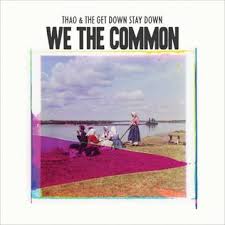
#157: We The Common (2013)
Artist: Thao & The Get Down Stay Down
Ribbon Music
Operating as a profound, outward-looking turning point in her discography, Thao Nguyen’s 2013 masterpiece, We The Common, is a vibrant celebration of community and shared humanity. Moving away from the introspective narratives of her earlier releases, Nguyen drew heavy inspiration from her advocacy work with female prisoners, directly dedicating the soaring, infectious title track to a woman she met during her time volunteering. Musically, the album is a masterclass in highly rhythmic, percussive indie-folk. Nguyen attacks her banjo and acoustic guitars with a fierce, syncopated energy that creates an undeniable, bouncing groove, perfectly anchored by her airtight backing band. Featuring stomping, joyful anthems like "Holy Roller" and a breathtaking, harmonized collaboration with Joanna Newsom on "Kindness Be Conceived," the record bristles with raw, live-in-the-room energy, proving that folk instrumentation can be just as heavy, driving, and universally connecting as any rock record.
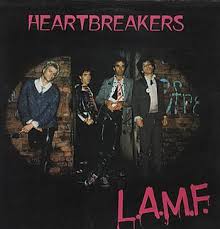
#158: L.A.M.F. (1977)
Artist: Johnny Thunders & The Heartbreakers
Track Records
Operating as the definitive bridge between the New York gutter and the London punk explosion, Johnny Thunders and the Heartbreakers’ 1977 debut, L.A.M.F., is a masterpiece of dangerous, swaggering rock and roll. Fueled by Thunders' razor-sharp Chuck Berry licks and the undeniable, driving rhythm section of Jerry Nolan and Billy Rath, the band delivered a masterclass in street-level attitude with anthems like "Born to Lose" and "Chinese Rocks." However, the album is equally famous for its disastrous original pressing. A massive mastering error left the 1977 Track Records release sounding unacceptably muddy—a flaw so severe it caused Nolan to temporarily quit the band. This triggered a decades-long quest to fix the audio, resulting in multiple distinct versions entering the collector's market, most notably the 1984 remix L.A.M.F. Revisited and the 1994 compilation of alternate mixes, The Lost '77 Masters. It wasn't until a misfiled copy of the actual, un-muddied original master tape was discovered and released a few years ago as The Found '77 Masters that the album finally received the devastating, crystal-clear sonic presentation it had always deserved.
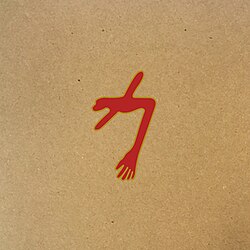
#159: The Glowing Man (2016)
Artist: Swans
Young God / Mute Records
Operating as the grand, apocalyptic swan song for the band's staggering 2010s incarnation, 2016's The Glowing Man is a towering monolith of transcendental noise and spiritual endurance. Serving as the final chapter in the monumental trilogy that includes The Seer and To Be Kind, frontman Michael Gira guided his legendary six-piece ensemble into their most hypnotic and deeply focused territory yet. Completely abandoning traditional song structures, the album functions like a shamanic ritual, utilizing grueling, endlessly repetitive rhythms to build unbearable tension over massive track lengths. Rather than relying on sudden bursts of aggression, the band layers sheets of abrasive, howling guitar noise, shimmering dulcimers, and a pummeling rhythm section, slowly culminating in moments of terrifying, ecstatic release. Anchored by the nearly thirty-minute, relentless groove of the title track, it is an exhausting, physically demanding, and profoundly beautiful masterpiece that solidifies Swans as one of the most uncompromising avant-garde rock bands on the planet.
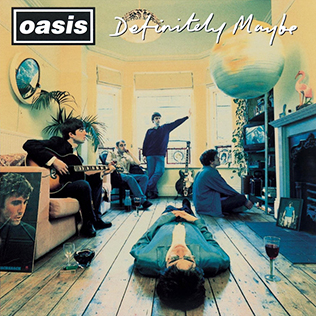
#160: Definitely Maybe (1994)
Artist: Oasis
Creation Records / Epic Records
Operating as a massive, unapologetic rejection of the introspection that dominated early-90s alternative rock, Oasis's 1994 debut Definitely Maybe is a masterclass in working-class swagger. Armed with absolute, unwavering arrogance, brothers Noel and Liam Gallagher successfully grafted the sneering, aggressive attitude of punk rock onto the towering, universally infectious melodies of the British Invasion. After struggling to capture the band's live ferocity in the studio, the album was famously salvaged by producer Owen Morris, who aggressively compressed and brickwalled the final mix. While it heavily contributed to the era's impending "loudness wars," this deliberate sonic assault ensured the record sounded thicker, louder, and more invincible than anything else on the radio. Driven by Liam's snarling vocal delivery and Noel's brilliant, classic-rock-pilfering guitar hooks, undeniable anthems like "Live Forever," "Supersonic," and "Rock 'n' Roll Star" instantly revitalized the UK music scene and launched one of the most famously volatile bands in rock history into the stratosphere.
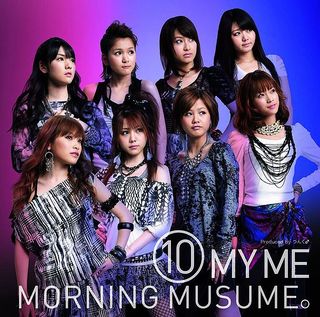
#161: 10 My Me (2010)
Artist: Morning Musume
Zetima
Operating as an undisputed crown jewel of their highly revered "Platinum Era," Morning Musume's 2010 studio album 10 My Me is a masterclass in dense, meticulously produced J-pop. Under the guiding hand of visionary producer Tsunku, the group completely shed their earlier bubblegum aesthetics in favor of heavy, driving electronic dance music and complex, mature vocal arrangements. The production is incredibly layered, featuring aggressive synthesizers and thumping basslines that demand absolute precision from the singers. Fortunately, the album perfectly captures the powerhouse vocal frontline of Ai Takahashi and Reina Tanaka, whose razor-sharp, fiercely confident deliveries effortlessly cut through the chaotic electronic mixes. Boasting massive, dynamic singles like the aggressively catchy "Kimagure Princess" and the dramatic, shifting tones of "Nanchatte Renai" and "Shouganai Yume Oibito," the record stands as a testament to the sheer technical discipline and undeniable pop perfection of Morning Musume's most fiercely defended lineup.

#162: rosie (2024)
Artist: Rosé
The Black Label / Atlantic Records
Operating as a fiercely independent and deeply personal creative statement, 2024's rosie perfectly validates Rosé's standing as one of the most uniquely captivating vocalists in modern pop. Stepping away from the heavy, meticulously polished trap-EDM machinery of BLACKPINK, she utilizes her highly anticipated full-length solo debut to fully embrace her singer-songwriter sensibilities. The record deliberately strips back the instrumental bombast, allowing her distinct, resonant, and emotionally vulnerable indie-pop timbre to act as the primary driving force. Yet, the album brilliantly balances this quiet intimacy with undeniable, stadium-ready hooks, anchored massively by the explosive, infectious pop-rock energy of the global smash "APT." alongside Bruno Mars. By placing her effortless phrasing and raw storytelling front and center, the album serves as a masterful, confident triumph that proves her vocal magic is more than capable of carrying a profoundly compelling solo career.
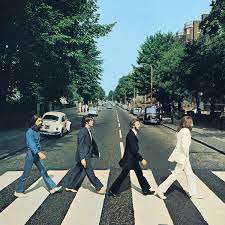
#163: Abbey Road (1969)
Artist: The Beatles
Apple Records
Operating as the grand, definitive swan song for the greatest rock group in history, 1969's Abbey Road is an absolute masterpiece of studio craftsmanship and compositional genius. Setting aside the bitter, fractured tensions that plagued their previous sessions, John, Paul, George, and Ringo reunited with producer George Martin to deliver one final, flawless record. From a sonic standpoint, it is incredibly forward-thinking, brilliantly integrating the heavy, sweeping tones of the newly acquired Moog synthesizer into their pristine pop arrangements on tracks like "Because" and "Here Comes the Sun." The musicianship is spectacular across the board, featuring some of Paul McCartney's most melodic, driving bass work and George Harrison's absolute peak as a songwriter ("Something"). Yet, the undisputed triumph of the record is the legendary Side B medley — a breathtaking, sixteen-minute suite of interconnected song fragments that stands as one of the most ambitious and flawlessly executed tape-editing and sequencing achievements in the history of rock and roll.

#164: Black Sea (1980)
Artist: XTC
Virgin / RSO Records
Arriving as a massive, muscular statement of intent, XTC's 1980 masterpiece Black Sea captures the band at their absolute physical and collaborative peak. Perfectly bridging the gap between their jittery, anxious post-punk origins and the lush, Beatles-esque studio pop they would later pioneer, the album is a relentless powerhouse of intricate musicianship. Produced by Steve Lillywhite and engineered by Hugh Padgham, the record boasts one of the most legendary, booming drum sounds of the era, providing an immense foundation for Terry Chambers' driving rhythms. Against this massive backdrop, Andy Partridge and Colin Moulding deliver a razor-sharp collection of socially conscious, hook-laden anthems like "Generals and Majors" and "Respectable Street." Elevated by the remarkably complex, interlocking dual-guitar work of Partridge and Dave Gregory, the album stands as a brilliant, towering classic of the British new wave, right before the band permanently retreated from the stage to become pure studio architects. On a record nerd side note: seeing this album in my meticulously typed list reminded me of the clusterfuck Virgin was having with US licensing deals over the past few years — Virgin releases were ending up on Atlantic, Epic, A&M, Jem, and Warner Bros., but this album randomly got picked up by the normally disco-centric RSO label — such was the business end of Virgin outside of their UK base until it found a permanent US home as Virgin America in 1988... by which time XTC had already laid down their US label home with Geffen. Oh, well.
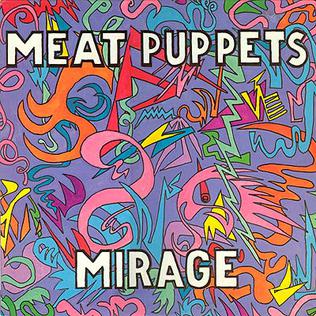
#165: Mirage (1987)
Artist: Meat Puppets
SST Records
Operating as a fascinating, highly experimental turning point within the legendary SST Records catalog, the Meat Puppets' 1987 album Mirage completely defied the expectations of the 1980s underground. Stepping away from the raw, freewheeling cowpunk of their earlier masterpieces, frontman Curt Kirkwood embraced a meticulous, heavily layered approach to studio production. The album introduces a brilliant, progressive complexity to their sun-baked psychedelic sound, heavily incorporating synthesizers, electronic drum textures, and a dizzying array of interlocking acoustic and electric guitars. The result is a lush, crystalline, and wildly melodic record that feels entirely alien to the standard hardcore-adjacent aesthetics of their peers. Anchored by the hypnotic, swirling arrangements of the title track and the driving, forward-thinking "I Am a Machine," it is a gorgeous, deeply sophisticated triumph that perfectly captures a fiercely independent band refusing to be creatively tethered.

#166: Kill From The Heart (1983)
Artist: The Dicks
SST Records
Operating as one of the most vital, fearless, and politically uncompromising statements in the legendary SST Records catalog, The Dicks' 1983 full-length debut, Kill From The Heart, is a foundational masterpiece of American underground music. Emerging from the Austin, Texas scene, the band deliberately subverted the hyper-fast, generic thrash of their hardcore contemporaries by anchoring their assault in a heavy, lumbering, and deeply swinging blues foundation. At the absolute center of this controlled chaos is frontman Gary Floyd. Navigating the hostile environment of Reagan-era Texas as an outspoken, openly gay man, Floyd weaponized his lived experience into fiercely sincere, anti-fascist, and anti-racist lyricism. Backed by the squealing feedback and relentless rhythm section of the original lineup, tracks like "Anti-Klan," "No Nazi's Friend," and the smoldering, monumental title track hit with a devastating, raw urgency. It is an arresting testament to the power of creative rage and remains a towering, essential pillar of the 1980s punk rock vanguard.
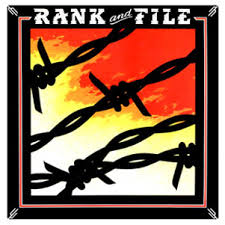
#167: Sundown (1982)
Artist: Rank And File
Slash Records
Operating as the definitive ground zero for the 1980s cowpunk movement, Rank And File's 1982 debut, Sundown, is a flawless, visionary masterpiece of American roots music. Following the dissolution of their legendary, hyper-political punk outfit The Dils, brothers Chip and Tony Kinman completely defied the expectations of the West Coast underground. Recruiting Alejandro Escovedo from San Francisco's The Nuns, the band brilliantly grafted the nervous, driving energy of post-punk onto the traditional, lonesome structures of classic country and western. The result is a highly disciplined, deeply atmospheric record defined by the Kinmans' booming, Everly Brothers-style vocal harmonies and a relentless, train-beat rhythm section. Released through the iconic Slash Records, undeniable anthems like the smoldering title cut and "Amanda Ruth" proved that the raw, DIY ethos of punk rock was perfectly suited for the honky-tonk. To have Chip Kinman himself consider this the absolute favorite of his entire, vastly influential catalog is the ultimate testament to the enduring, lightning-in-a-bottle magic they captured on this record.
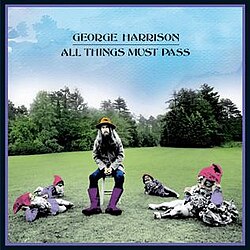
#168: All Things Must Pass (1970)
Artist: George Harrison
Apple Records
Operating as the ultimate, undeniable triumph of the post-Beatles era, George Harrison's 1970 masterpiece All Things Must Pass is the sound of a historic creative dam finally breaking. After years of being relegated to the shadows of the Lennon-McCartney songwriting monopoly, the "Quiet Beatle" unleashed a massive, triple-vinyl monolith that definitively proved his standing as a towering, singular genius. Collaborating with producer Phil Spector, Harrison swathed his deeply spiritual, highly introspective songwriting in a massive, reverberating "Wall of Sound." Utilizing a staggering ensemble of session players—including Ringo Starr, Billy Preston, and the core musicians who would immediately go on to form Derek and the Dominos—the production is breathtakingly dense, featuring armies of acoustic guitars and sweeping, majestic orchestrations. Driven by monumental, immortal anthems like "My Sweet Lord," "What Is Life," and the deeply poignant "Isn't It a Pity," it remains one of the most creatively liberating and emotionally profound solo albums in the history of rock and roll.
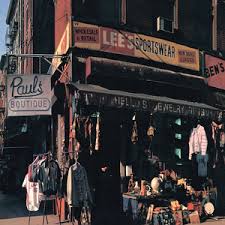
#169: Paul's Boutique (1989)
Artist: Beastie Boys
Capitol Records
Operating as the undisputed holy grail of sample-based hip-hop production, the Beastie Boys' 1989 sophomore effort, Paul's Boutique, is a kaleidoscopic, genre-defying masterpiece. Actively shedding the frat-rap caricature established by their massive debut, MCA, Ad-Rock, and Mike D decamped to Los Angeles and joined forces with the visionary production duo, the Dust Brothers. Together, they built an astonishingly dense, meticulously woven "Wall of Samples" that completely revolutionized studio craft. Pulling from an impossibly wide array of sources—from deep 1970s funk breaks to Johnny Cash and The Ramones—the instrumental beds are a crate-digger's dream, providing the perfect, chaotic backdrop for the trio's razor-sharp, interwoven lyricism. Because modern sample clearance laws radically shifted shortly after its release, it stands as a brilliant, lightning-in-a-bottle legal anomaly. Anchored by undeniable tracks like "Shake Your Rump," "Hey Ladies," and the monumental, multi-part "B-Boy Bouillabaisse," it remains a towering testament to the sheer, boundless creativity of golden-era hip-hop.
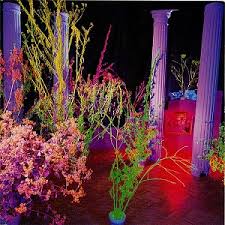
#170: Warehouse: Songs and Stories (1987)
Artist: Hüsker Dü
Warner Bros. Records
Operating as a towering, 20-track double-album epic, 1987's Warehouse: Songs and Stories stands as the final, grand statement from one of the most influential bands in the history of American alternative rock. Capturing the band right before their famously volatile dissolution, the record highlights the brilliant, contrasting songwriting partnership of Bob Mould and Grant Hart. While the production moved toward a more polished, major-label clarity, the band’s signature "buzzsaw" guitar wall and breakneck percussive energy remained fiercely intact. The album is a masterclass in the fusion of hardcore intensity and sophisticated pop melody, featuring some of their most enduring compositions, such as "Could You Be the One?" and "She Floated Away." It is a massive, emotionally resonant document of creative ambition, proving that the DIY spirit of the Minneapolis underground could scale to monolithic proportions without losing its essential, distorted heart.
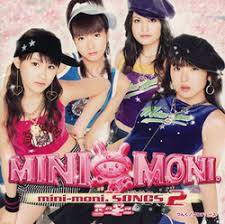
#171: MiniMoni Songs 2 (2004)
Artist: MiniMoni
Zetima
Operating as a bold and unexpected stylistic evolution, 2004's MiniMoni Songs 2 saw the beloved Morning Musume subunit undergo a radical transformation. Moving away from the frenetic, kid-friendly novelty pop that defined their early success, the group — reconfigured for their own "Platinum" era with the inclusion of Ai Takahashi — adopted a remarkably sophisticated sound heavily influenced by Western R&B and urban pop. The comparison to groups like TLC is undeniable; producer Tsunku swapped out the high-pitched chaos for sleek, syncopated grooves, heavier bass presence, and more mature vocal arrangements. Tracks like the urban-inflected "Crazy About You" and their remarkably soulful cover of "Watarasebashi" showcase a rhythmic complexity and vocal discipline that was light-years ahead of their "Mini Hamuz" origins (even though there's two "MiniHamuz" tracks on the album). It stands as a brilliant, high-gloss testament to the group’s versatility, proving they could master a mature R&B-pop aesthetic with the same technical precision that defined the main group's greatest output.
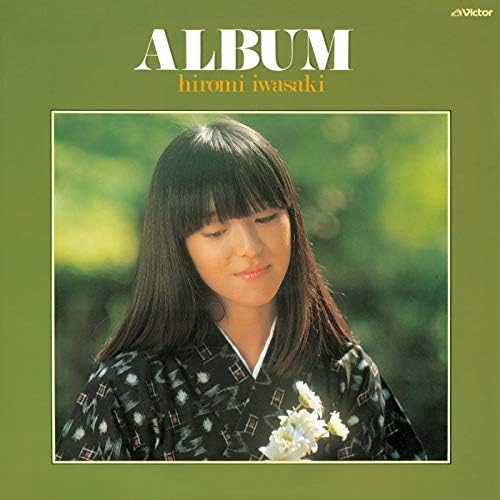
#172: album (1980)
Artist: Hiromi Iwasaki
Victor
Operating as a sophisticated bridge between the "idol" era and the burgeoning City Pop movement, Hiromi Iwasaki’s 1980 release, album, is a masterclass in vocal precision and refined studio arrangement. By the start of the 1980s, Iwasaki had successfully transitioned into a mature artist, utilizing this record to showcase her remarkably clear, resonant mezzo-soprano and peerless phrasing. The production is a highlight of the era, featuring lush, jazz-inflected pop arrangements and world-class session musicianship that creates a cool, crystalline atmosphere. Eschewing the more frantic energy of her earlier hits, the record favors a mid-tempo, sophisticated groove on tracks like "Kono Michi," allowing her technical discipline to take center stage. It remains an essential document for fans of high-fidelity Japanese pop, proving why Iwasaki is often cited as one of the most gifted and influential vocalists in the history of the genre.

#173: Mother Earth's Plantasia (1976)
Artist: Mort Garson
Homewood Records / Sacred Bones
Operating as one of the most delightful and enduring anomalies in the history of electronic music, Mort Garson’s 1976 cult classic Mother Earth's Plantasia is a pioneering masterpiece of the Moog synthesizer. Famously boasting the subtitle "Warm earth music for plants... and the people who love them," the album's original physical release on the Homewood Records label was notoriously bizarre—it was only available as a promotional giveaway when purchasing a houseplant at the Mother Earth boutique in Los Angeles, or buying a Simmons mattress from a local Sears. This bizarre distribution strategy turned the record into an absolute holy grail for crate-diggers for decades (Jello Biafra would show off a copy on his episode of Fuse's Crate Diggers program) until Sacred Bones Records made a deal with Garson's estate. Musically, Garson utilized the massive, complex Moog modular system not for abrasive, futuristic soundscapes, but to craft warm, bubbling, and incredibly melodic instrumental compositions. It serves as an essential, foundational blueprint for modern ambient and chillhop music, brilliantly proving that early electronic hardware could produce sounds that were deeply organic, soothing, and full of life.
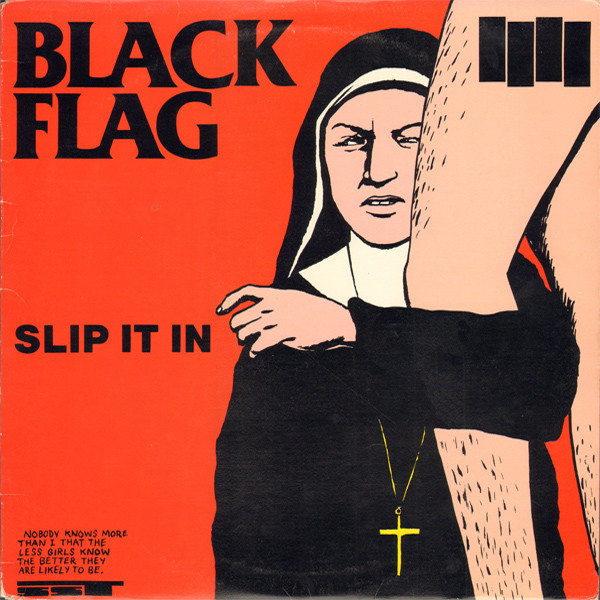
#174: Slip It In (1984)
Artist: Black Flag
SST Records
Operating as the heavy, unrelenting mothership of the SST Records catalog, Black Flag’s 1984 studio album Slip It In is a massive statement of artistic defiance. Actively dismantling the hyper-fast, traditional hardcore template they helped pioneer, guitarist and primary songwriter Greg Ginn steered the band into deeply sludgy, metallic, and jazz-inflected territory. Crucially, the album marks the debut of bassist Kira Roessler, whose incredible technical proficiency locked in flawlessly with drummer Bill Stevenson to create a complex, mathematical rhythm section. This airtight foundation provided the perfect canvas for Ginn's atonal, sprawling guitar solos (including my favorite of his ever on "The Bars" — ironically a Chuck Dukowski/Henry Rollins songwritng collaboration) and Henry Rollins' increasingly muscular, agonizing vocal deliveries. Anchored by the heavy, crawling paranoia of "Black Coffee" and the sprawling intensity of the provocative title track, the record captures a fiercely uncompromising band entirely willing to alienate their original audience to push the absolute boundaries of aggressive music.

#175: Allroy Sez... (1988)
Artist: ALL
Cruz Records
Operating as the direct, hyper-caffeinated continuation of the Descendents' legendary lineage, ALL's 1988 debut Allroy Sez... is a masterclass in highly technical pop-punk. Following the departure of frontman Milo Aukerman, the virtuosic instrumental core of Bill Stevenson, Karl Alvarez, and Stephen Egerton recruited former Dag Nasty vocalist Dave Smalley to launch an entirely new, relentlessly driven machine. Released via the SST imprint Cruz Records, the album completely weaponizes the band's staggering musicianship. Egerton’s jagged, impossibly precise guitar riffs are locked perfectly in step with Stevenson and Alvarez’s mathematical, freight-train rhythm section. Smalley’s earnest, melodic hardcore delivery provides the perfect emotional anchor for the complex arrangements, yielding undeniable, lightning-fast anthems like "Just Perfect" and "Silly Me." It is a brilliant, fiercely energetic debut that proved the band’s unique, coffee-fueled DNA was more than capable of evolving into its own distinct, towering legacy.