

Favorites: Albums — 101 to 125
1000 hurts and I think 999 of them are in my fucking knees...
#101: 1000 Hurts (2000)
Artist: Shellac
Touch and Go Records
Operating completely devoid of commercial compromise, Shellac's 1000 Hurts is a stunning monument to tension, release, and pure analog audio engineering. Boasting the bleak, sarcastic tagline "There are no pure moments of pleasure" printed right on the back, the album delivers on that promise with a stark, menacing minimalism. Steve Albini's signature aluminum-neck guitar tone slashes through the mix like a razor, perfectly locked into Bob Weston's thick, lurching bass lines and Todd Trainer's punishing, metronomic drum work. Because the band explicitly treats the recording studio as an honest documentary tool rather than a place for digital manipulation, the sonics here are breathtakingly real—you can practically hear the room breathing between the notes. Anchored by the venomous, darkly hilarious intensity of tracks like "Prayer to God," it is a brilliant, abrasive, and completely essential document of post-hardcore mastery.
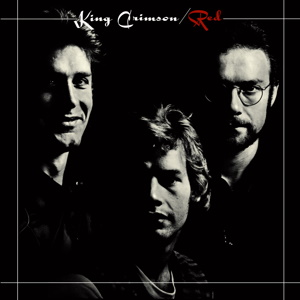
#102: Red (1974)
Artist: King Crimson
Island / Atlantic Records
Operating on the absolute brink of collapse, the 1974 iteration of King Crimson stripped their sound down to a core trio and delivered an apocalyptic, proto-metal masterpiece. Robert Fripp, John Wetton, and Bill Bruford essentially weaponized progressive rock on Red, trading in airy fantasy for terrifying, aggressive dissonance. The instrumental title track is a masterclass in heavy, grinding tritone riffage that predates doom metal, perfectly anchored by Wetton's monstrous, distorted bass tone and Bruford's dizzying, polyrhythmic jazz chops. But the album's ultimate triumph is the closing track, "Starless." Arguably the single greatest achievement in the entire prog-rock canon, it slowly mutates from a gorgeous, mournful Mellotron ballad into a frantic, terrifyingly tense free-jazz-metal climax. It is a brilliant, uncompromising swan song for the 1970s era of the band, capturing a muscular, forward-thinking heaviness that would profoundly influence the alternative underground decades later.

#103: From Beneath the Streets (1987)
Artist: Token Entry
Positive Force Records
While the late-1980s New York Hardcore scene is often remembered for its heavy, aggressive breakdowns and intense tough-guy posturing, Token Entry offered a brilliant, high-velocity antidote. Emerging from the hardcore-rich borough of Queens, the band operated with a frantic, undeniably positive energy that made them absolute legends of the CBGB Sunday matinee era. Released in 1987 on Kevin Seconds' Positive Force label, From Beneath the Streets is a relentless, skate-friendly sprint of a record. It captures a band entirely uninterested in scene politics or intimidation, focusing instead on blistering speed, tight musicianship, and the pure, communal fun of a chaotic punk rock show. Decades later, it remains a mandatory, exhilarating listen for anyone looking to understand the full, dynamic picture of classic NYHC.
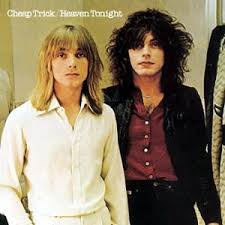
#104: Heaven Tonight (1978)
Artist: Cheap Trick
Epic Records
Arriving just a heartbeat before their legendary live album in Japan turned them into global icons, 1978's Heaven Tonight stands as Cheap Trick's definitive studio masterpiece. It is the ultimate distillation of their genius formula: seamlessly grafting the pristine, infectious pop melodies of The Beatles onto the muscular, overdriven guitar crunch of The Who. The album is forever immortalized by "Surrender," an untouchable, fist-pumping anthem of teenage rebellion that famously reveals the parents are actually cooler than the kids. But beyond the hits, tracks like the menacingly heavy "Auf Wiedersehen" and the psychedelic title track prove exactly why the record became a holy grail for future hard rock architects like Nikki Sixx. Rick Nielsen's heavy riffing and Robin Zander's flawless vocal delivery essentially wrote the blueprint for how to make hard rock incredibly catchy without sacrificing a single ounce of its swagger.
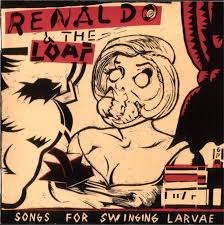
#105: Songs for Swinging Larvae (1981)
Artist: Renaldo and the Loaf
Ralph Records
Operating completely outside the boundaries of conventional pop music, British duo Renaldo and the Loaf delivered a masterpiece of bedroom avant-garde with 1981's Songs for Swinging Larvae. Finding a natural home on The Residents' legendary Ralph Records, Brian Poole (Ranaldo Malpractice) and David Janssen (Ted The Loaf) utilized razor blades, tape loops, and wildly detuned acoustic instruments to construct an incredibly dense, surreal sonic landscape. The album straddles a brilliant line between childlike playfulness and genuine, creeping menace. With bizarre, processed vocals and off-kilter, shifting time signatures on tracks like "Is Guava a Donut?," it shares the same uncompromising, alien theatricality of their labelmates while carving out its own distinct brand of eccentric tape-splice genius. It is a wildly creative, deeply unsettling, and completely essential listen for anyone fascinated by the outer limits of DIY experimentalism.
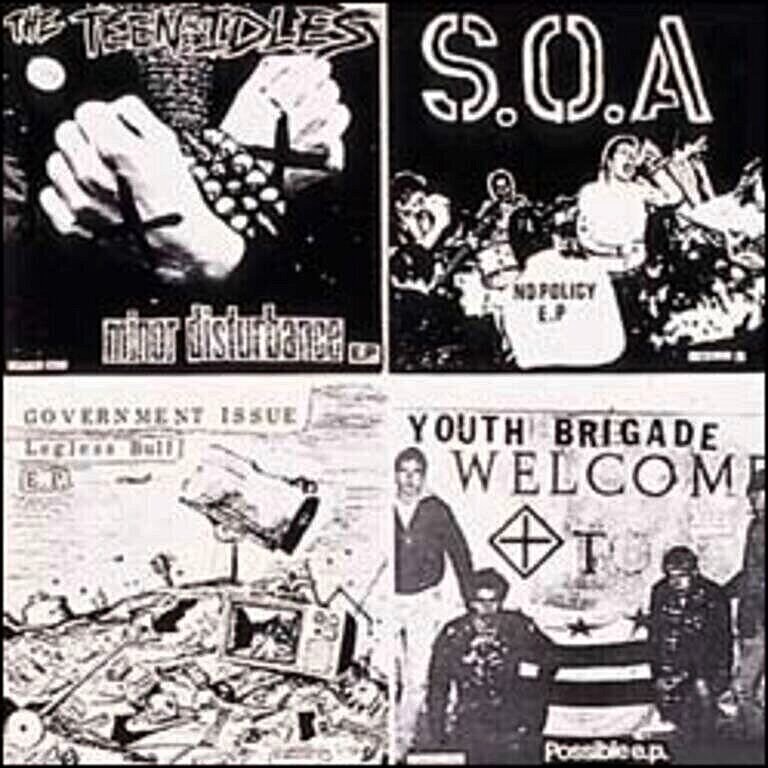
#106: 1981: The Year In Seven Inches (1984/1993)
Artist: The Teen Idles, S.O.A. (State Of Alert), Government Issue,
and Youth Brigade
Dischord Records
Serving as the Rosetta Stone for Washington D.C. hardcore, 1981: The Year in Seven Inches (originally issued on vinyl as Four Old 7"s on a 12") is a vital, breakneck documentary of a scene being built from the ground up. In the early 1980s, Dischord Records was operating as a completely independent, DIY operation, pressing small runs of singles that sold out immediately. To keep the music (and at the time it was first released in 1984, the label) alive, Ian MacKaye and Jeff Nelson compiled those foundational, out-of-print EPs into a single release. The result is an explosive snapshot of punk history. It features the incredibly influential, straight-edge genesis of The Teen Idles; the snotty, high-speed aggression of Government Issue; the tight, focused attack of Youth Brigade; and the very first recorded output of a ferocious young frontman named Henry Garfield — soon to be known to the world as Henry Rollins — leading State of Alert (S.O.A.). It is an unfiltered, lightning-in-a-bottle archive of teenagers completely rewriting the rules of underground rock.
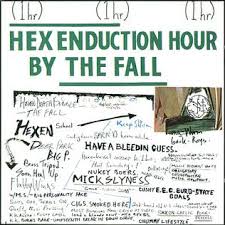
#107: Hex Enduction Hour (1982)
Artist: The Fall
Kamera Records
Operating under the heavy assumption that his band was completely falling apart and this would be their final statement, frontman Mark E. Smith threw absolutely everything at the wall for 1982's Hex Enduction Hour. By treating the album as a definitive swan song, The Fall achieved a breathtaking level of uncompromising, abrasive freedom. Utilizing a massive, two-drummer lineup, the rhythm section locks into relentless, hypnotic, and thundering grooves that perfectly anchor Smith's biting, cynical, and famously cryptic Northern English poetry. From the jaw-dropping, controversial opening provocation of "The Classical" to the sprawling, mesmerizing crawl of "Hip Priest" (famously utilized years later in The Silence of the Lambs), the record is an hour of pure, unfiltered post-punk genius. Fortunately for music history, the album's critical triumph convinced Smith to abandon his plans to disband, ensuring The Fall would continue their prolific, utterly unique reign for decades to come.
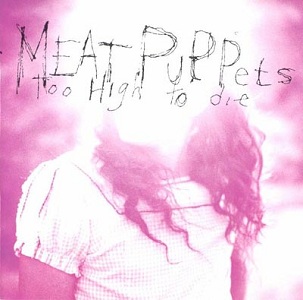
#108: Too High to Die (1994)
Artist: Meat Puppets
London Records
After spending over a decade as one of the most brilliant and deeply weird bands in the American underground, the Meat Puppets finally secured their mainstream breakthrough with 1994's Too High to Die. Coming off the massive cultural boost of playing alongside Nirvana on MTV Unplugged, brothers Curt and Cris Kirkwood, along with drummer Derrick Bostrom, delivered a flawless distillation of their signature desert-punk sound. Driven by the massive, undeniably catchy rock-radio hit "Backwater," the album proves that their unique blend of ZZ Top-style boogie, country twang, and psychedelic wandering could be molded into genuine pop hooks. Yet, for all its platinum-selling accessibility, the record remains incredibly weird and authentic to their SST roots, featuring stellar, winding guitar work on tracks like "Violet Eyes" and an updated, hidden-track version of their classic "Lake of Fire." It is a triumphant, sun-baked classic of the '90s alternative boom.
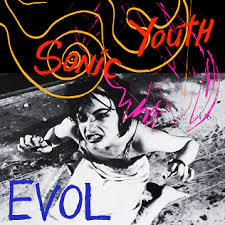
#109: EVOL (1986)
Artist: Sonic Youth
SST Records
Arriving in 1986 as their debut release for the legendary SST Records, EVOL is the sound of Sonic Youth discovering their definitive identity. Serving as the vital bridge between the terrifying no-wave dissonance of their early EPs and the indie-rock majesty of Daydream Nation, the album is a masterpiece of dark, brooding tension. The secret weapon here is the recruitment of drummer Steve Shelley, whose propulsive, motorik beat finally provided the band with a reliable engine, allowing Thurston Moore, Kim Gordon, and Lee Ranaldo to fully explore the hypnotic, chiming possibilities of their severely altered guitar tunings. From the whispered, late-night paranoia of Kim Gordon's "Shadow of a Doubt" to the sprawling, masterful sonic decay of the closing track "Expressway to Yr. Skull" (famously praised by Neil Young as one of the greatest guitar tracks ever recorded), it is a cinematic, deeply unsettling triumph that completely redrew the boundaries of alternative rock.
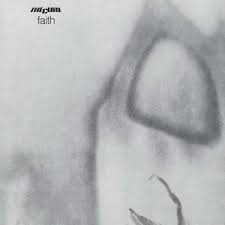
#110: Faith (1981)
Artist: The Cure
Fiction Records
If Seventeen Seconds established The Cure's signature atmospheric chill, 1981's Faith saw them diving headfirst into a deep, grey fog of spiritual and existential mourning. Serving as the middle chapter of Robert Smith’s definitive "Gloom Trilogy," the album largely abandons traditional rock dynamics for a slow, minimalist, and intensely somber soundscape. The production is famously cold and cavernous, with Simon Gallup’s prominent, melodic bass work acting as the primary melodic engine while Smith’s guitars provide ghostly, shimmering textures in the background. From the funeral-march pace of the opening track "The Holy Hour" to the crushing, hopeless finality of the title track, the record is a masterclass in sustained mood and restraint. It is a deeply personal, meditative document of loss and fading conviction, proving that sometimes the quietest moments in music can be the most devastatingly heavy.
#111: The Secondman's Middle Stand (2004)
Artist: Mike Watt
Columbia Records
Operating as both a harrowing medical documentary and a triumphant survival epic, Mike Watt's third solo album, The Secondman's Middle Stand, is a conceptual masterpiece. Following a terrifying, near-fatal illness in 2000 that nearly ended his life, Watt channeled the trauma of the sickness, the delirium of the fever, and the agonizing process of healing into a sprawling rock opera modeled structurally on Dante's Divine Comedy. Backed by his band The Secondmen, Watt made the brilliant, left-turn decision to forgo a traditional guitar player, relying instead on Pete Mazich's massive, swirling Hammond B3 organ and Jerry Trebotic's rock-solid drumming. The result is a heavy, churning, jazz-infused punk record that sounds unlike anything else in his vast catalog. Knowing Watt personally makes the unvarnished vulnerability of the lyrics hit with devastating gravity, but for any listener, it stands as a fearless, deeply moving testament to the indomitable human spirit.
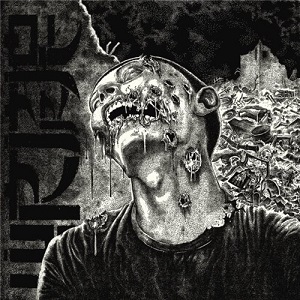
#112: Dirge (2011)
Artist: Wormrot
Earache Records
When Wormrot erupted out of Singapore's vibrant underground, they didn't just participate in the global grindcore scene—they completely revitalized it. 2011’s Dirge is a breathtaking display of economy and violence, packing 25 tracks into a mere 18 minutes of pure, unadulterated sonic warfare. While the speed is often terminal, what sets the album apart is the surprising amount of groove and "crusty" punk energy buried within the chaos. Arif’s vocal range is legendary, shifting from guttural roars to glass-shattering shrieks with terrifying ease, all while backed by some of the tightest, most punishing drumming in the genre. Knowing a couple of the humans behind the noise — Arif and his then-manager/girlfriend (now wife) Azean — makes the album’s global success feel even more deserved. They are proof that with enough DIY spirit and raw, uncompromising talent, you can reach the absolute top of the extreme music world from anywhere on the planet.
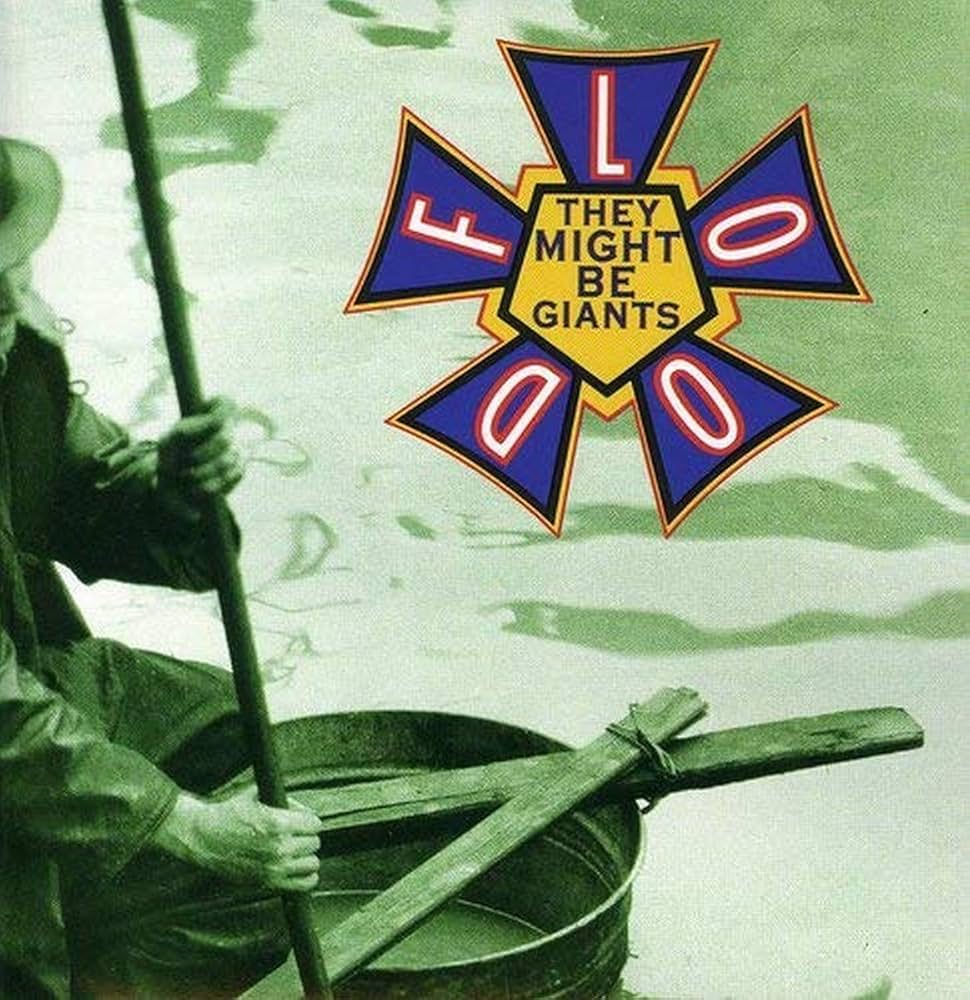
#113: Flood (1990)
Artist: They Might Be Giants
Elektra Records
With 1990’s Flood, the New York duo of John Linnell and John Flansburgh effectively proved that being "too smart for rock and roll" was actually a superpower. As their major-label debut, the album is a whimsical, hyper-literate explosion of eclectic pop that successfully smuggled accordion solos and songs about historical Turkish capital cities into the alternative mainstream. From the brassy, unstoppable energy of "Birdhouse in Your Soul" to the frantic, drum-machine-driven absurdity of "Particle Man," the record is a dizzying display of songwriting craft. What makes the album truly endure isn't just the quirkiness, but the underlying technical brilliance—Linnell’s melodic hooks are world-class, and Flansburgh’s genre-hopping production keeps the energy relentless. It remains the definitive entry point for a band that turned geeky curiosity into an absolute art form, proving that brainy, eccentric music could still command a massive, dedicated audience.
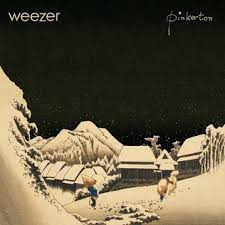
#114: Pinkerton (1996)
Artist: Weezer
Geffen Records
Few albums have undergone a more dramatic critical reappraisal than Weezer’s 1996 sophomore effort, Pinkerton. Initially dismissed as a messy, abrasive disappointment following the multi-platinum success of their debut, the record has since been canonized as a raw, foundational masterpiece of the emo and alternative rock genres. Rivers Cuomo famously stepped away from the quirky, power-pop polish of the "Blue Album" to deliver a self-produced, deeply confessional, and sonically jagged document of loneliness and romantic frustration. From the crunching, fuzzed-out frustration of "Tired of Sex" to the fragile, melodic longing of "Across the Sea," the album is defined by its unvarnished honesty and thick, distorted guitar textures. It is a brave, messy, and intensely human record that traded commercial safety for lasting emotional resonance, eventually becoming the most influential work in the band's entire career.
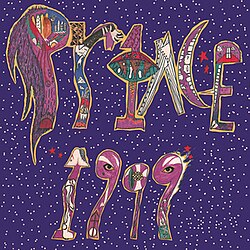
#115: 1999 (1982)
Artist: Prince
Warner Bros. Records
While Purple Rain may have provided the cinematic peak, 1982's 1999 is the moment Prince truly perfected the "Minneapolis Sound." A sprawling double-album masterpiece, it saw Prince operating as a one-man studio army, blending infectious pop hooks with a cold, robotic funk fueled by pioneering use of the LinnDrum machine. From the apocalyptic celebration of the title track to the sleek, synth-driven swagger of "Little Red Corvette," the record serves as the definitive bridge between the funk era and the digital future. Its legacy is so absolute that for many, the initial single-disc CD release was considered incomplete because it infamously omitted "D.M.S.R."—a essential seven-minute funk manifesto that perfectly encapsulated the record's rebellious, high-energy spirit. It remains a staggering display of virtuosity and production genius that remains just as influential over forty years later.
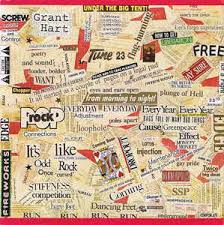
#116: Intolerance (1989)
Artist: Grant Hart
SST Records
Following the messy and public dissolution of Hüsker Dü, Grant Hart decamped to the studio to prove he could stand entirely on his own. 1989’s Intolerance is a remarkable solo debut that showcases Hart as a formidable multi-instrumentalist, handling almost every sound on the record himself. While his former bandmate Bob Mould leaned into a calmer frame of mind around this same time with Workbppl (a few years before unleashing the aggressive roar of Sugar), Hart embraced a more melodic, soulful, and slightly psychedelic path. The album is anchored by the towering "2541," a devastatingly catchy and heartbreaking reflection on the end of a relationship (and a band) that has since become an indie-rock standard. Throughout the record, Hart balances his gift for 60s-inflected pop melodies with a raw, unvarnished production style that feels both intimate and expansive. It remains a poignant, powerful document of a legendary artist finding his voice amidst the wreckage of his past.
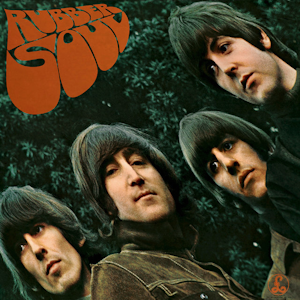
#117: Rubber Soul (1965)
Artist: The Beatles
Parlophone / Capitol Records
The great US versus UK tracklist debate is one of the most fascinating pieces of Beatles lore, and Rubber Soul is arguably the album where that divide is the most significant. Historically speaking, the 1965 UK release is the definitive artistic statement—the exact moment the Fab Four shed the mop-top pop of Beatlemania and fully embraced mature, introspective songwriting, famously incorporating new textures like the sitar on "Norwegian Wood" and profound reflection on "In My Life." However, the Capitol Records US release is an accidental masterpiece in its own right. By stripping away some of the harder-edged R&B tracks and front-loading the record with acoustic leftovers from the UK Help! sessions (most notably opening with "I've Just Seen a Face"), Capitol inadvertently crafted a cohesive, pioneering folk-rock album. It was this specific, chiming American configuration that famously blew Brian Wilson's mind and directly pushed him to create Pet Sounds. Whichever tracklist you champion, it remains one of the most pivotal evolutionary leaps in pop music history.
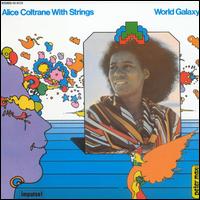
#118: World Galaxy (1972)
Artist: Alice Coltrane
Impulse!
Released in 1972 on the legendary Impulse! label, World Galaxy is a sprawling, transcendent masterpiece of spiritual jazz. On this record, Alice Coltrane expands her deeply cosmic musical vision to a staggering scale, pairing the swirling, avant-garde energy of her jazz ensembles with lush, sweeping orchestral string arrangements. Anchored by her own mesmerizing performances on harp, piano, and Wurlitzer organ, as well as the grounding spoken-word presence of Swami Satchidananda, the album feels like a guided meditation that frequently erupts into ecstatic chaos. The undeniable centerpieces of the record are its fearless, radically reimagined covers: a gorgeous, dizzying take on "My Favorite Things" and a dense, emotionally shattering orchestral interpretation of her late husband John Coltrane's absolute holy grail, "A Love Supreme." It is an intensely powerful, cinematic listen that reaches far beyond the conventional boundaries of jazz.
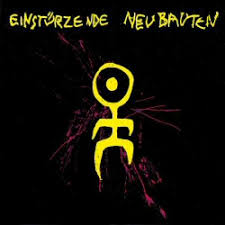
#119: Strategies Against Architecture 80-83 (1984)
Artist: Einstürzende Neubauten
Mute Records
Before the industrial music genre became heavily reliant on digital synthesizers and programmed drum machines, Germany's Einstürzende Neubauten was actively constructing terrifying soundscapes out of literal garbage and construction equipment. Serving as an essential compilation of their earliest and most abrasive output from 1980 to 1983, Strategies Against Architecture is a document of pure, physical audio destruction. Frontman Blixa Bargeld's blood-curdling, feral shrieks are backed not by traditional rhythm sections, but by the punishing sounds of air compressors, jackhammers, grinding sheet metal, and breaking glass. Tracks like "Kollaps" and "Tanz Debil" act as a radical rejection of conventional pop structures, utilizing the debris of post-war Berlin to create an intensely claustrophobic and rhythmic nightmare. It stands as a brilliant, terrifying masterclass in the avant-garde, proving that absolute ruin can be shaped into undeniable art.
#120: Anna Kolger Found In The River
Artist: The Rita
Phage Tapes
To understand the work of Sam McKinlay, recording under the moniker The Rita, one must completely abandon every traditional metric of musicality, including the shifting dynamics found in standard noise music. As the pioneering godfather of the Harsh Noise Wall (HNW) genre, McKinlay strips away absolutely everything to construct massive, unchanging, and ruthlessly dense monoliths of static and distortion. Anna Kolger Found In The River is a pure, uncompromising endurance test. Rather than progressing from point A to point B, the audio acts as a suffocating, physical texture that the listener is forced to inhabit. McKinlay often conceptualizes his crushing walls of sound around hyper-specific obsessions like Giallo cinema, great white sharks, and deep-water snorkeling, and the resulting sonic assault perfectly mimics that intense, terrifying sensation of deep-sea claustrophobia. It is a fascinating, brutally heavy document of anti-music pushed to its absolute breaking point.
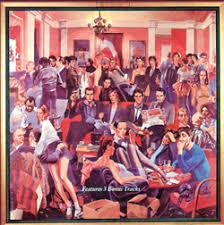
#121: The Crack (1979)
Artist: The Ruts
Virgin Records
Released in the fertile punk landscape of 1979, The Ruts' debut full-length, The Crack, stands as an absolute masterclass in aggressive rock and roll seamlessly fused with heavy dub and reggae. Unlike many of their peers who merely flirted with Jamaican rhythms, The Ruts possessed the immense musical chops to weave those deep, bouncing grooves directly into their furious punk foundation. Fronted by the commanding, street-smart sneer of Malcolm Owen, the album delivers massive, anthemic gut-punches like the iconic "Babylon's Burning" alongside authentic, politically charged reggae excursions like "Jah War." It is a fiercely intelligent, muscular, and perfectly produced record. Tragically, it would be the only studio album released during Owen's lifetime, cementing it as both a monumental classic of the era and a heartbreaking glimpse at a band whose vast potential was only just beginning to be tapped.
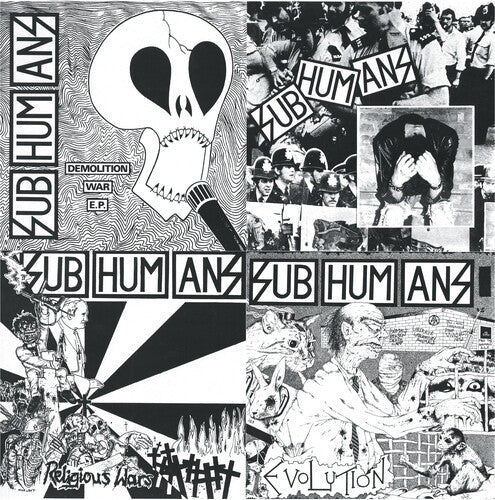
#122: EP-LP (1985)
Artist: Subhumans
Bluurg Records
Serving as the ultimate crash course in UK anarcho-punk, EP-LP is a masterful compilation that gathers the first four vital EPs from the Subhumans. Released on frontman Dick Lucas's own Bluurg Records, the collection captures the band’s frantic, intelligent, and highly articulate brand of anti-establishment rage. Lucas stands out as one of punk’s absolute best lyricists, attacking systemic oppression, war, and societal apathy with razor-sharp wit and remarkable clarity. Beyond the furious, incredibly catchy music, the album is a testament to the band's unshakeable DIY ethics; the original release specifically noted that the compilation was released worldwide strictly to prevent distributors from price-gouging fans with expensive imports. It is a fierce, foundational record that proves true punk rebellion is as much about integrity and accessibility as it is about the music itself.
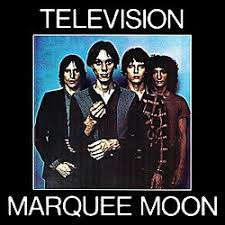
#123: Marquee Moon (1977)
Artist: Television
Elektra Records
While they were birthed from the exact same gritty, mid-70s CBGB scene that gave the world the Ramones, Television operated on an entirely different sonic wavelength. 1977's Marquee Moon is a towering masterpiece of art-punk that completely eschewed three-chord aggression in favor of staggering technical precision and poetic ambition. The undeniable magic of the album lies in the breathtaking dual-guitar interplay between frontman Tom Verlaine and Richard Lloyd. Instead of standard rhythm and lead roles, their guitars lock into intricate, shimmering, jazz-inflected spirals that reach an absolute zenith on the album's sprawling, ten-minute title track. Anchored by a remarkably tight rhythm section and Verlaine's tense, visionary lyricism, the record proved that the punk ethos could be cerebral, complex, and astonishingly beautiful. It remains one of the most influential guitar albums ever recorded, single-handedly providing the blueprint for decades of post-punk and indie rock.

#124: Hyphenated Man (2010)
Artist: Mike Watt
clenchedwrench
Operating as a brilliant, full-circle artistic statement, 2010's Hyphenated Man found Mike Watt deliberately returning to the brief, hyper-focused song structures that defined his legendary work with the Minutemen. Drawing conceptual inspiration from the surreal, hybrid creatures found in the paintings of Hieronymus Bosch, Watt constructed an album consisting of thirty short, breathless tracks, nearly all of which blast past the listener in under two minutes. Backed by the razor-sharp precision of his band The Missingmen — featuring Tom Watson on guitar and Raul Morales on drums — Watt utilizes his bass to drive an absolutely relentless barrage of complex, jazz-inflected punk rock. It is a record completely stripped of excess, highlighting a visionary artist tapping directly back into his most kinetic, foundational roots while still pushing his sound forward into brilliant, uncharted territory.
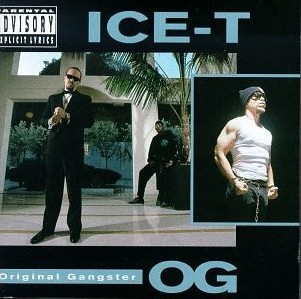
#125: O.G. Original Gangster (1991)
Artist: Ice-T
Sire / Warner Bros. Records
Standing as the undisputed magnum opus of his rap career, 1991's O.G. Original Gangster captures Ice-T at the absolute zenith of his creative powers. Across a sprawling, cinematic 24-track runtime, he elevated West Coast gangsta rap from street-level reporting into a highly articulate, complex, and deeply analytical art form. Ice-T balances raw, unflinching narratives of Los Angeles gang life with razor-sharp social commentary, all backed by incredibly dense, funk-heavy production. Beyond its massive influence on hip-hop, the album also serves as a crucial historical pivot, famously introducing the world to his heavy metal project Body Count on the blistering track of the same name. It is a masterpiece of storytelling and swagger, cementing a cultural legacy so vast that it eventually led fans of all generations — even those who originally discovered him years later as a television detective — right back to his undeniable, foundational musical roots.